

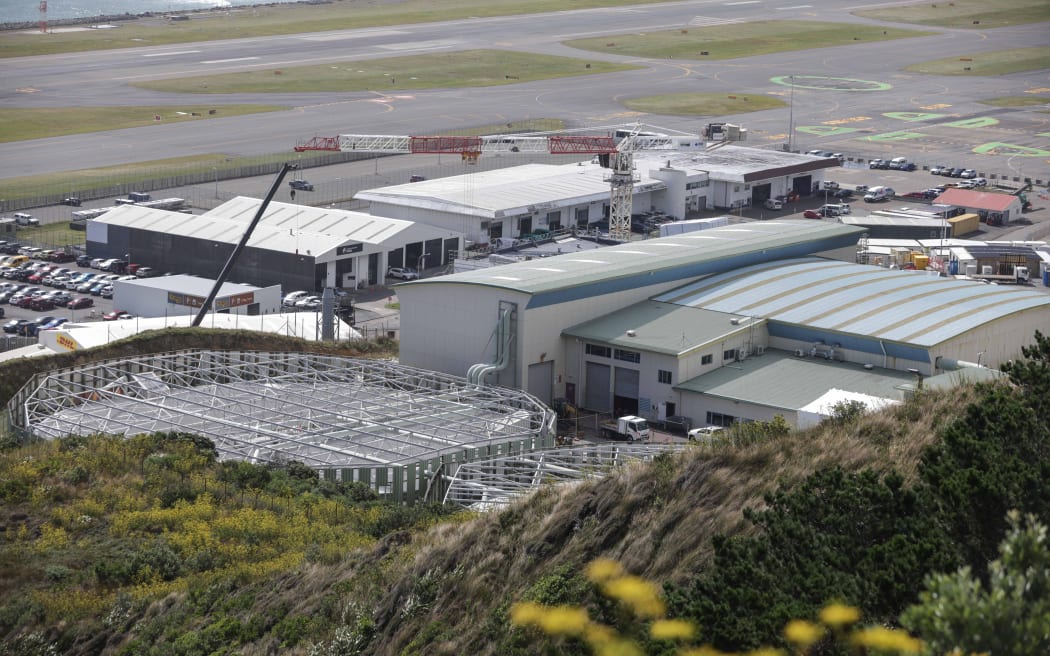
Untreated water has been leaking onto the capital’s south coast beaches.
Photo: RNZ / Samuel Rillstone
The water regulator says about a third of New Zealand’s wastewater plant consents have expired, and the risk of another Moa Point disaster happening again is unknown.
A failure at the treatment plant on Wellington’s south coast a week ago has been spilling 70 million litres of untreated sewage a day into Cook Strait.
Labelled an environmental disaster by the city’s mayor, Wellington Water has warned it could be months before the plant is operating again and the waters are again swimmable.
Taumata Arowai was set up as the new water regulator in 2021 after the Havelock North campylobacter outbreak, and key leaders appeared before a select committee on Wednesday, a week after the spill began.
Chief executive Allan Prangnell said the watchdog did not have a direct role in managing the 320 wastewater treatment plants around the country, with that responsibility falling to the regional councils – and soon, the water service entities set up under the Local Water Done Well reforms.
“We have an interest in what’s happened, obviously share the concerns of the community and Wellington Water and all of the operators and actors in it – the first priority there is to stabilise and find out what happened, and the responsible agencies are doing that,” he told RNZ.
“We are staying close to any reviews or inquiries that may play out, because we want to know if what happened in Moa Point might happen elsewhere, and what the signals would be at the top of the cliff, so that we don’t have a situation like this again.”
In the committee, he painted a worrying picture of the status of the network.
“There has been a backing up of expired consents for some time now, and about a third of those plants are operating on expired consents – some of them as long as 20 years,” he told MPs, “so that’s a pretty big indicator that there’s a problem.
“And when re-consenting is happening, it’s not being built – and I think some of the reason for that is by the time you get to the other side of the consenting process, the cost for the community is rejected.”
The treatment plants were not the only problem, with underground pipes accounting for about 80 percent of the overall three waters (drinking water, wastewater and stormwater) network.
“A lot of it is sitting there, and it’s underground and difficult to know what condition it’s in. And while councils [generally know] the condition of drinking water pipes, for obvious reasons, the information base on wastewater reticulation is poorer and often unknown.
“That’s a system concern that we have been highlighting.”
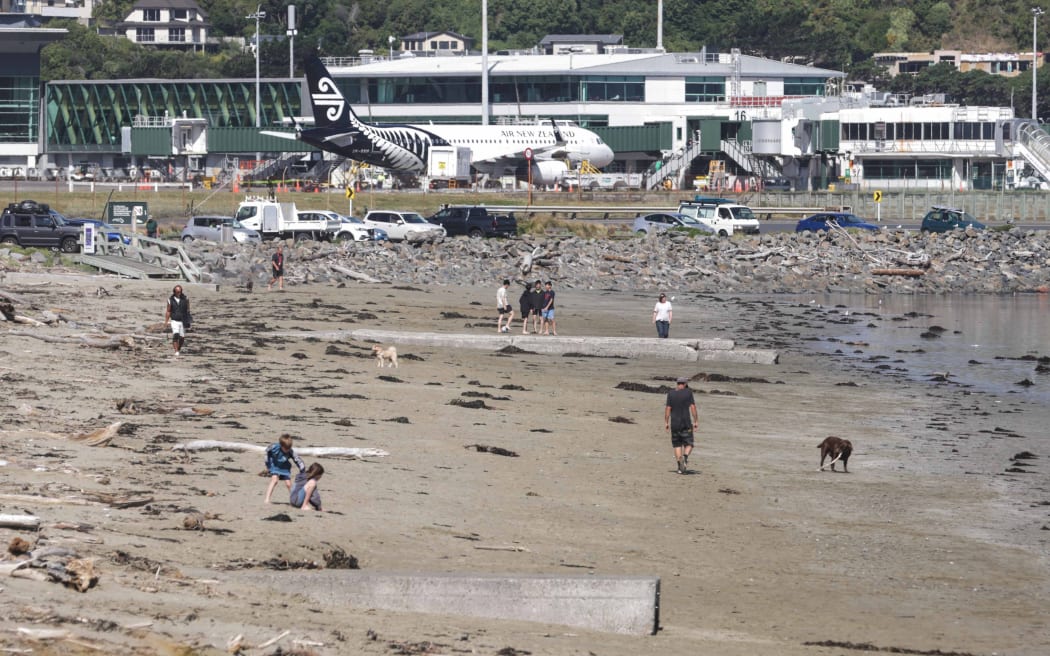
The point of Taumata Arowai was to help prevent another Moa Point, chief executive Allan Prangnell told RNZ.
Photo: RNZ / Samuel Rillstone
He said the Commerce Commission’s economic regulation role would see information collected on the condition of the pipes, and would in future be fed back to Taumata Arowai and collated for public release.
The aim was to help prevent another Moa Point, he told RNZ.
“That’s the point of it exactly… by making that information available directly to communities allows the public to know what’s going on locally, and to raise the issues directly with their council or their water operator if they are concerned.
“If there are overflows happening, the community should be told.”
More than half the overall wastewater overflows happening around the country were not consented, he said.
“Right now, the bit the public usually sees is when wastewater overflows, so it might come into a beach in Auckland summer, or it might overflow in the network, and that will happen – what we want to do though is bring it into the light.”
Head of systems, strategy and performance Sara McFall said in some places the overflows were completely prohibited – which meant they were “completely invisible”.
“We have no reporting of them, the public is unlikely to get notifications, so what we’re putting in place is requirement that everyone has consenting and everyone is reporting and notifying the public, which will be a real change.
“The bar is quite low at the moment, so this is the first step.”
Prangnell expected New Zealand’s first ever nationwide standards – introduced last year – would help with transparency, monitoring and enforcement.
The standards would apply as consenting for assets came up for renewal, moving consent conditions for discharging treated waste, for example, to nationally consistent health and environmental limits.
“What we’ve got right now is bespoke arrangements in each of those 320-odd treatment plants across the country, so very difficult to answer the question of risk, because they were all built differently, and they’re all performing differently – as we move to a standardized system and standardized technology, I think it’s much easier to have a grip on the risk profile across the country.”
Authorities would be required to grant a consent so long as the system met the standard’s requirements.
He said the new norms were developed using advice from the best technical experts.
“Doesn’t overcook it, doesn’t undercook it, and we’ll get to a far more efficient system – probably strip off nearly a billion dollars – about $800m to $1b – out of just the consenting process alone.”
Zero target for untreated water
But for now, the picture was murky.
“Murky because we don’t have a complete picture, and also because we know with all of those bespoke arrangements, there will be a range of situations across the country.”
Prangnell told the committee Taumata Arowai had made “huge headway” into the job of assuring local communities their drinking water was safe.
Since the agency was set up, the number of New Zealanders drinking from public supplies without basic treatment and protozoa barriers had more than halved from about 750,000 to under 300,000, he said.
“We would anticipate getting that down to zero within the next 12 to 18 months.”
Allan Prangnell said the minister had offered to give them more powers, and national standards should soon help curb costs.
Sign up for Ngā Pitopito Kōrero, a daily newsletter curated by our editors and delivered straight to your inbox every weekday.