
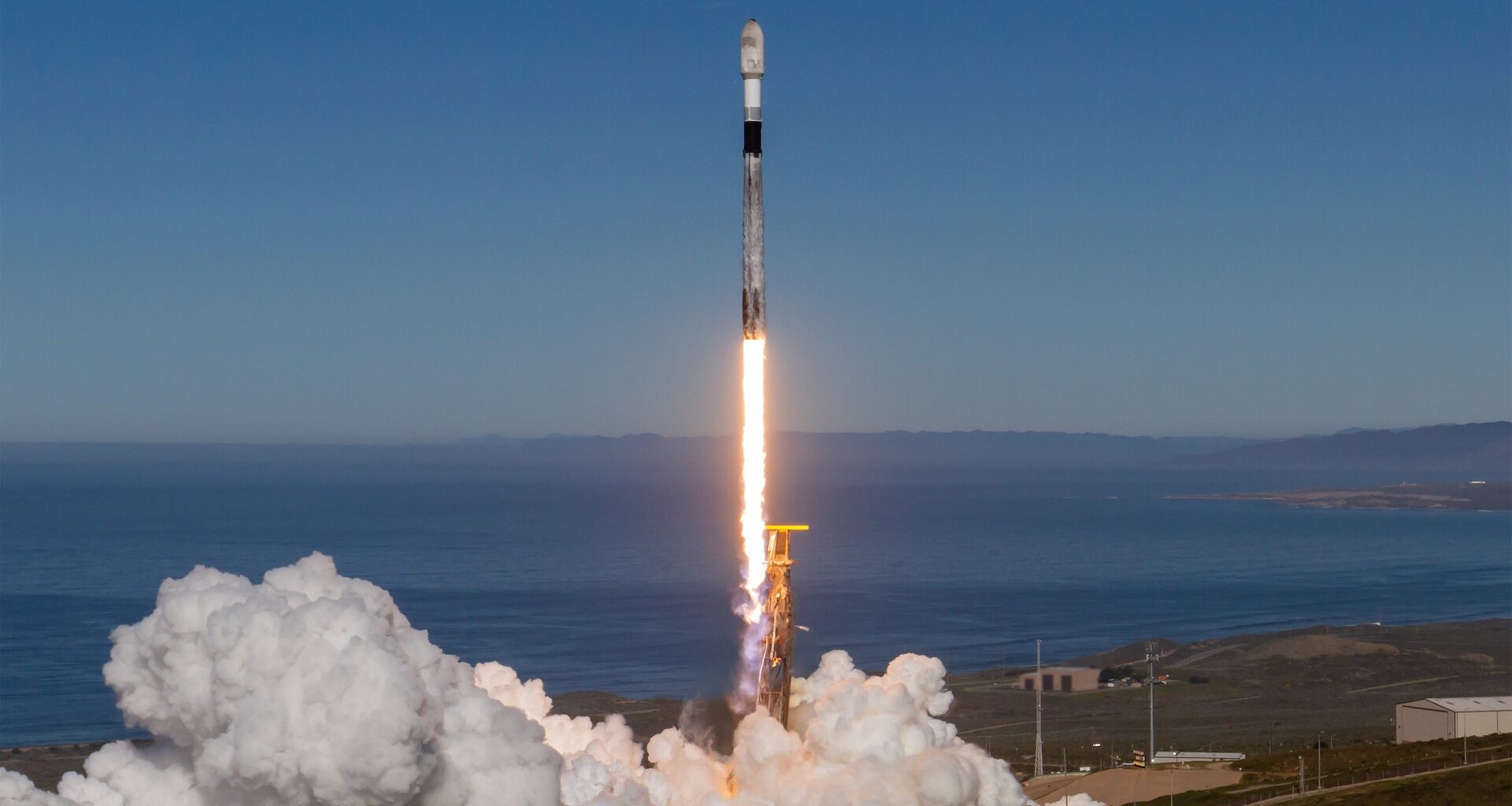
Space startup General Galactic aims to fly a satellite using only water for in-orbit propellant. The 1,100-pound satellite could validate two separate methods for water propulsion when it flies to space later this year.
If the General Galactic team, led by a pair of engineers in their 20s, succeeds, they could unlock a new form of space travel.
Trinity: General Galactic’s water propulsion mission
General Galactic’s CEO, Halen Mattison, is a former SpaceX engineer, while its CTO, Luke Neise, is a Varda Space veteran. Both are co-founders of the company, which has scheduled a ride on a SpaceX Falcon 9 rideshare mission, expected to take flight in October this year.
Once its satellite is in space, the company aims to demonstrate water propellant for both chemical and electrical propulsion systems. For the former, it will use electrolysis to split water into hydrogen and oxygen, then burn the hydrogen with oxygen as the oxidizer. For electrical propulsion, it will split water and then apply sufficient electrical energy to convert the oxygen into plasma. It will then use a magnetic field to guide the plasma out of a thruster.
Using water provides several benefits when compared to traditional fuels like liquid methane. Unlike liquid methane, operators don’t need to worry about keeping water cooled to -260 degrees Fahrenheit or about boil-off when the spacecraft absorbs too much sunlight. Accidental explosions would also no longer be a concern.
The mission, called Trinity, could validate water propulsion as a low-cost method for rapidly maneuvering satellites in space. This is increasingly important, given the rising number of satellites orbiting our planet. The electric propulsion method, meanwhile, would provide a highly efficient system for deep space travel.
The future of propulsion
Ultimately, General Galactic’s system could prove to be a versatile, low-cost solution. The company is far from the only one to have highlighted the potential benefits of water propulsion. NASA has long stated it eventually aims to harvest water ice on the moon and extract oxygen for propellant. In 2023, meanwhile, Japanese firm Pale Blue flew a nano-satellite using water vapor propulsion for the first time.
In an interview with Wired, Niese said General Galactic aims to show “we can provide both the long-efficiency maneuver, but also sometimes folks need to get somewhere fast or respond really quickly to a dramatic event in the orbital environment.”
According to Mattison, General Galactic’s water propulsion system could provide 5-10 times the Delta-V of traditional systems. This refers to the total change in velocity and direction that a spacecraft is capable of achieving over time.
The company eventually aims to build a propellant station on Mars and also build the refueling infrastructure needed to support flights to the Red Planet. Firstly, though, they will have to prove their water propulsion system is capable of powering a satellite with their Trinity mission.