
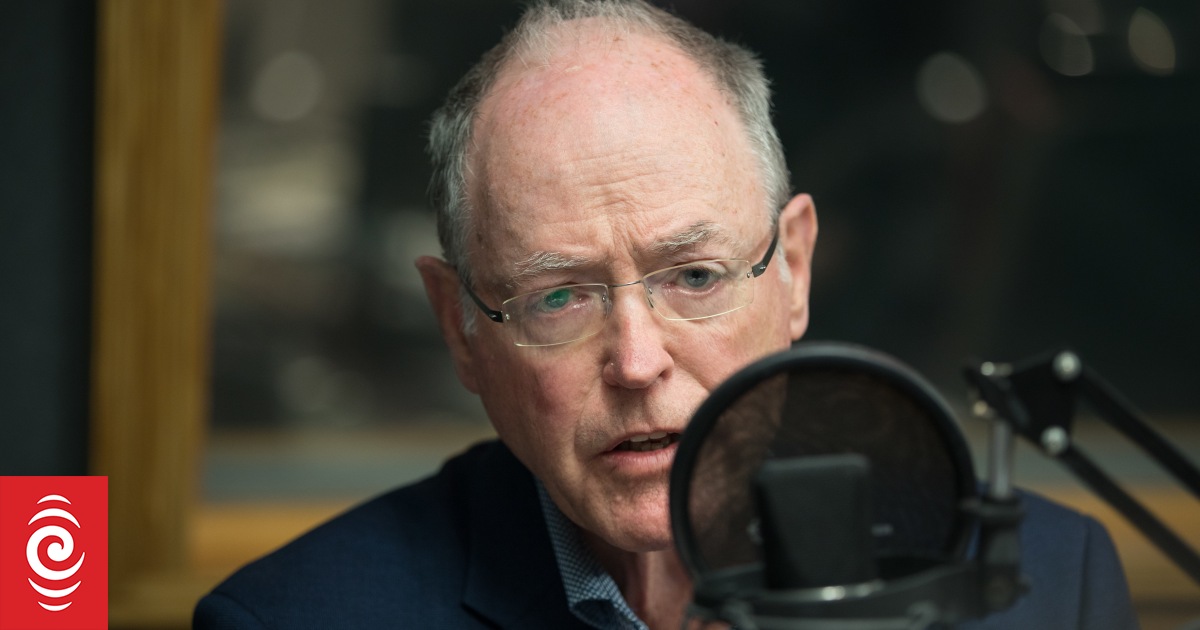
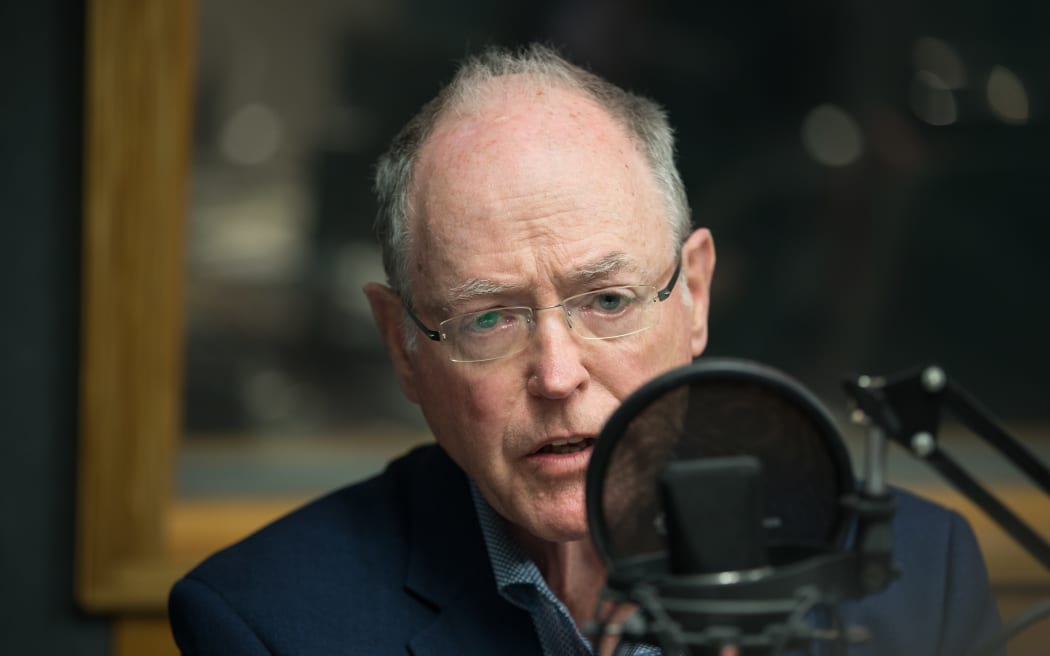
Former Reserve Bank Governor Don Brash.
Photo: RNZ / Cole Eastham-Farrelly
Former Reserve Bank Governor Don Brash is supportive of the government’s decision to review the Bank’s decisions during the Covid-19 pandemic, but concerns from the opposition over the review’s timing so close to the election are a “fair question”, he says.
On Wednesday, finance minister Nicola Willis announced she was launching an independent review into monetary policy decisions during the pandemic, including cuts to the Official Cash Rate, and the Large Scale Asset Purchase programme.
Willis is touting the exercise as a fact-finding, lessons-learned mission.
“This is simply about New Zealand learning the lessons of history. The Reserve Bank, during the response to Covid-19, did a huge amount of money printing,” she said.
“The result, in part due to those decisions, in part due to Labour’s decisions to spend and borrow a huge amount of money, was very high inflation, house prices going up 30 percent in a year, and more than $10 billion of losses after the printing of that money. So it is appropriate for the government to look at, did we get it all right, what could we do better in the future?”
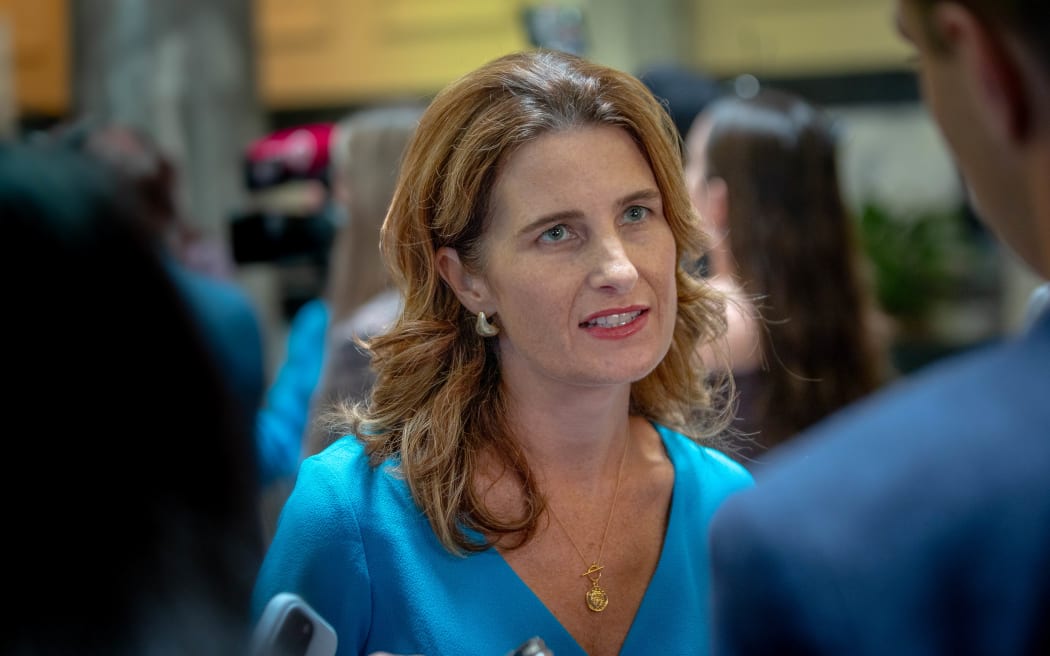
Finance minister Nicola Willis.
Photo: RNZ / Mark Papalii
Brash, also a former National leader, said the effects of monetary policy were “substantial” during the pandemic, and given the costs to the taxpayer an ex-post review “almost certainly” made sense.
“The Reserve Bank did two main things: they cut the Official Cash Rate to a very low level, 0.25 [percent], and would probably have cut it below that level had they felt the banks were able to handle that,” he said.
“In the end, they didn’t cut it below 0.25, but instead, of course, they bought many billions of dollars of government bonds at low interest rates in an attempt to stimulate the economy, but at a cost to the taxpayer, which was very substantial. So I think it’s worth having a having a good look at that.”
The current governor Anna Breman said she welcomed the review, but pointedly referenced a mandatory review undertaken by the Bank of the 2017-22 time period, which found the “large scale asset purchase programme was successful in correcting financial market dysfunction and reducing long-term interest rates”.
The review also found that “in hindsight, earlier, or stronger monetary tightening could have curbed the subsequent hike in inflation,” Breman said.
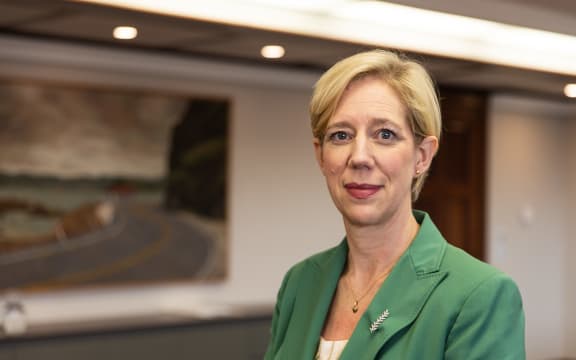
Reserve Bank Governor Anna Breman.
Photo: RNZ / Samuel Rillstone
Willis was not impressed by that previous review.
“The Reserve Bank went through a window-dressing exercise of doing their own review of what they’d done, and gave themselves essentially full marks at the time,” she said.
“In opposition, I was frank. I said they’ve marked their own homework, that’s not good enough. If I was the finance minister, I would commission an independent review, and today that’s what I’ve done.”
The opposition has questioned why, if Willis had wanted a review all along, she had waited until now to commission it – especially as it is set to be made public in September, just a few weeks before the election.
Labour leader – and former Covid-19 response minister – Chris Hipkins said it was “an exercise in cynical, political manipulation,” pointing to other occasions the government could have done a review, including when it expanded the terms of reference for the Covid-19 Royal Commission of Inquiry.
“The timing of it is very transparent. This is a very clear political exercise in the middle of an election campaign. It’s not designed to provide some impartial view of the Reserve Bank’s actions, bearing in mind that the Reserve Bank took all of these actions independently of the government of the day,” he said.
“I think the whole world has learned a lot of lessons around monetary policy in a global crisis like a global pandemic. New Zealand’s Reserve Bank, the actions they took weren’t out of line with the actions being taken by central banks around the world. And there have certainly been lessons, I think, the whole economic system have learned from that.”
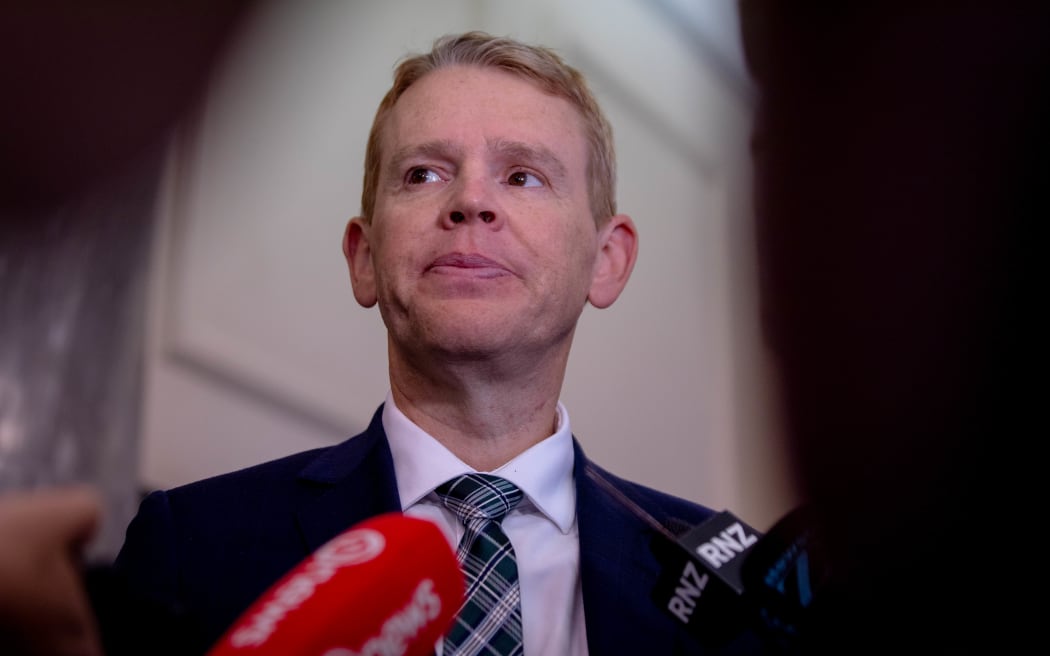
Labour leader Chris Hipkins.
Photo: RNZ / Mark Papalii
Hipkins described the review as an “attack” on the Bank’s independence.
Green Party co-leader Chlöe Swarbrick has also questioned the timing, noting she had called for a Select Committee inquiry into the economic response in 2022.
“The timing of this is so sus. Nicola Willis has been talking about these concerns since I was on the Finance and Expenditure Select Committee with her back in 2020. And it also obviously was an election issue throughout 2023. So if the minister’s intent, if the government’s intent, is pure, they would have got this out of the way with the broader Covid inquiry.”
Swarbrick said she had held former Finance Minister Grant Robertson’s “feet to the fire” on the effects of monetary policy on inequality, and did not believe Willis had any intention of addressing inequality with the new review.
“The Greens have actually been concerned since the outset of Covid-19 with unconventional monetary policy’s deployment. Because, as reflected in advice from RBNZ and Treasury at the time, that to do the Large Scale Asset Purchases and associated unconventional monetary policy without intervening or mitigating fiscal policy, we would see massive house price inflation and growing inequality,” she said.
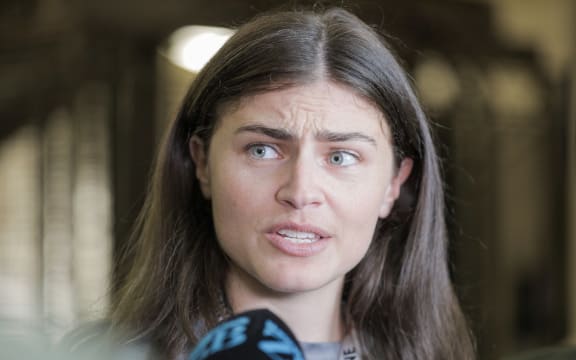
Green Party co-leader Chlöe Swarbrick.
Photo: RNZ / REECE BAKER
“Of course, that’s exactly what happened.”
Willis has denied the review is timed for the election, and said she had not received advice on its timing.
“I don’t need to have that raised with me. It turns out that it’s quite top of mind that there’s an election in November. I don’t need officials to give me advice on it,” she said.
“The more political question you should all be asking is why are there politicians who are afraid of an independent review of the decisions of the independent Reserve Bank? Riddle me that.”
Brash noted that when he was Governor, the incoming Labour government in 1999 commissioned a “complete review” of the Bank’s framework.
That review, published in 2001 by Swedish economist Lars Svensson, recommended the formal establishment of a Monetary Policy Committee, something then-Finance Minister Sir Michael Cullen rejected.
The Committee was later established in 2019, following a further review of the Reserve Bank Act in 2017.
Svensson found the Bank had tightened its policy too late in 1992/93, and eased it too late in 1997/98.
He also recommended the Bank change how it reported and discussed alternative measures of inflation expectations for the medium and long term, but generally found its communication of monetary policy decisions to be “exemplary”.
Brash described that review as a “fair cop,” and a reasonable thing for a government to do.
He said it was a “fair question” of why Willis had waited until an election year to commission a review of her own.
“You can debate whether the timing should have been a few months earlier or a few months later, but that there should be a review seems to me to make good sense.”
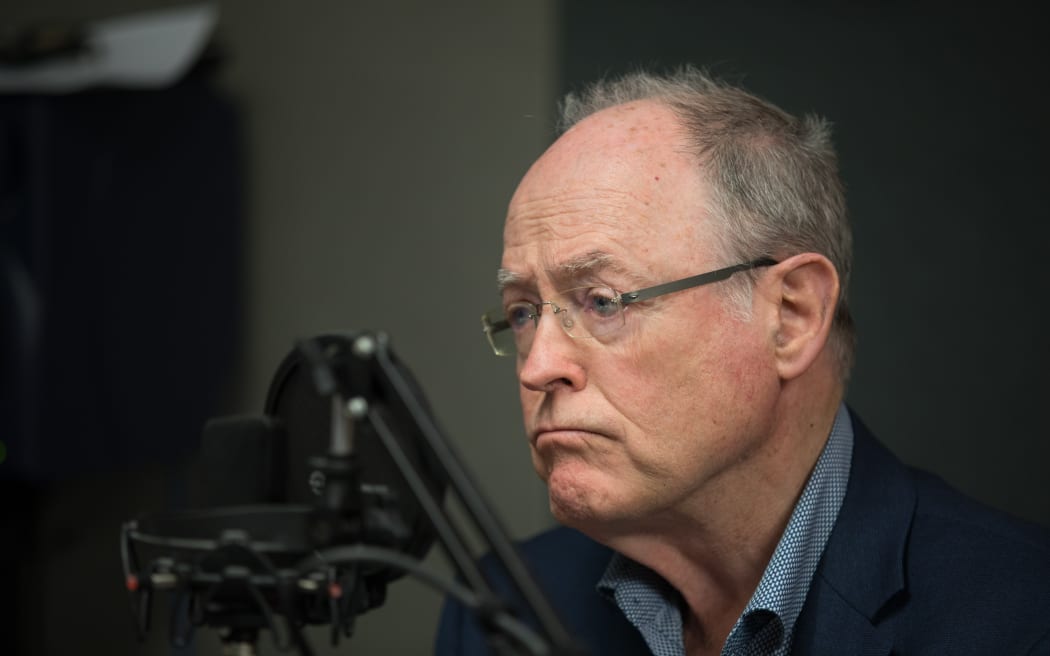
Former Reserve Bank Governor Don Brash says it’s fair to question why Willis has waited until an election year to commission a review of her own.
Photo: RNZ / Cole Eastham-Farrelly
Brash said he could “see some logic” in having it now, rather than earlier, as Willis would have wanted to wait until a new Governor came in.
He said he was not familiar with one of the reviewers, Athanasios Orphanides, but was familiar with David Archer from when he was the Reserve Bank’s assistant governor.
Brash said he was “pleased” at Archer’s involvement, and he had a “high regard” for him.
“Not only at the Reserve Bank of course, but he was also at the Bank for International Settlements in Basel for a number of years. So he’s had very wide international experience.”
Willis said the two reviewers were “objectively credible” and had significant experience.
“They are not political figures in any way. And I actually went to great pains to work through with the Treasury who, in a domestic context, would be able to do the review, who wasn’t conflicted by previous statements, and who would be able to give this credibility and weight, so I stand by the decision.”
Sign up for Ngā Pitopito Kōrero, a daily newsletter curated by our editors and delivered straight to your inbox every weekday.