
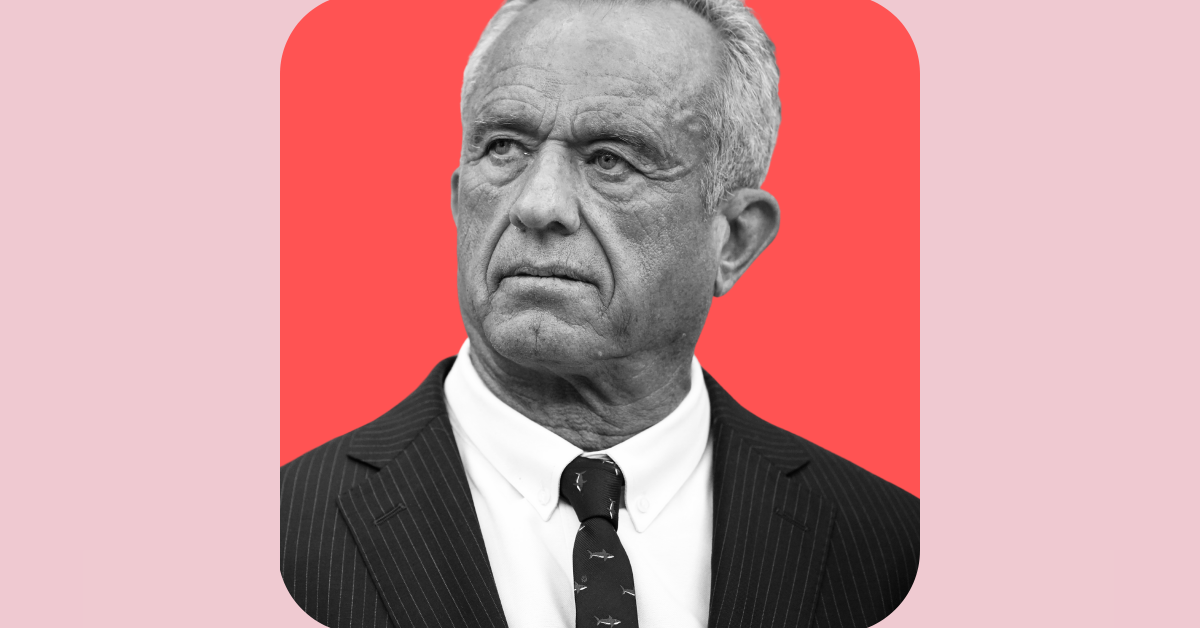
Since Robert F. Kennedy Jr. became secretary of the U.S. Department of Health and Human Services in February 2025, he has advanced his “Make America Healthy Again” agenda and played a pivotal role in re-shaping federal healthcare and public-health policy.
Kennedy has made changes to long-standing vaccine policies, including reducing the number of diseases covered by the U.S. childhood immunization schedule. Meanwhile, vaccination rates nationwide have continued to decline, alongside increases in outbreaks of diseases such as measles and influenza. He has also highlighted research exploring possible links between autism and factors including the widely used painkiller acetaminophen, despite recent research refuting this.
Under his leadership, research priorities at the U.S. National Institutes of Health have shifted: some studies on mRNA vaccines have been cancelled; a network of centers focused on pandemic preparedness closed; and attention on chronic disease, autism, and nutrition has increased. Staff have been cut across health agencies, including at the U.S. Centers for Disease Control and Prevention (CDC). In 2025, Kennedy drew scrutiny after dismissing CDC Director Susan Monarez, who later said she had been pressured to pre-approve vaccine recommendations before reviewing data. Kennedy denied her allegations in Senate testimony.
Kennedy has also prioritized changes to the American diet and food system, including issuing a revised food pyramid that encourages higher protein consumption and reduced intake of processed foods, and advocating for the phaseout of synthetic food dyes—efforts he says will improve long-term public health.