
The team, part of Massey’s Ecology, Conservation and Zoology Group, believes the key to this shared ability may lie deep inside the insects in their gut microbiome. Freezing begins in the gut, home to a diverse community of microbes. Early evidence suggests that the types of microbes an insect hosts may influence the temperature at which it freezes and its chances of surviving the process. This raises the possibility that freeze tolerance is not just a genetic adaptation, but also a microbial one, potentially shared across species through diet and habitat.
“Eating the right microbes could change how and when insects freeze. That might help explain why so many unrelated alpine insects in New Zealand have evolved the same survival strategy,” Professor Morgan-Richards says.
The ongoing project is designed to test this idea directly. By examining the gut microbiomes of multiple alpine species and comparing their freezing responses, the team hopes to uncover whether microbial sharing has contributed to the widespread emergence of freeze tolerance.
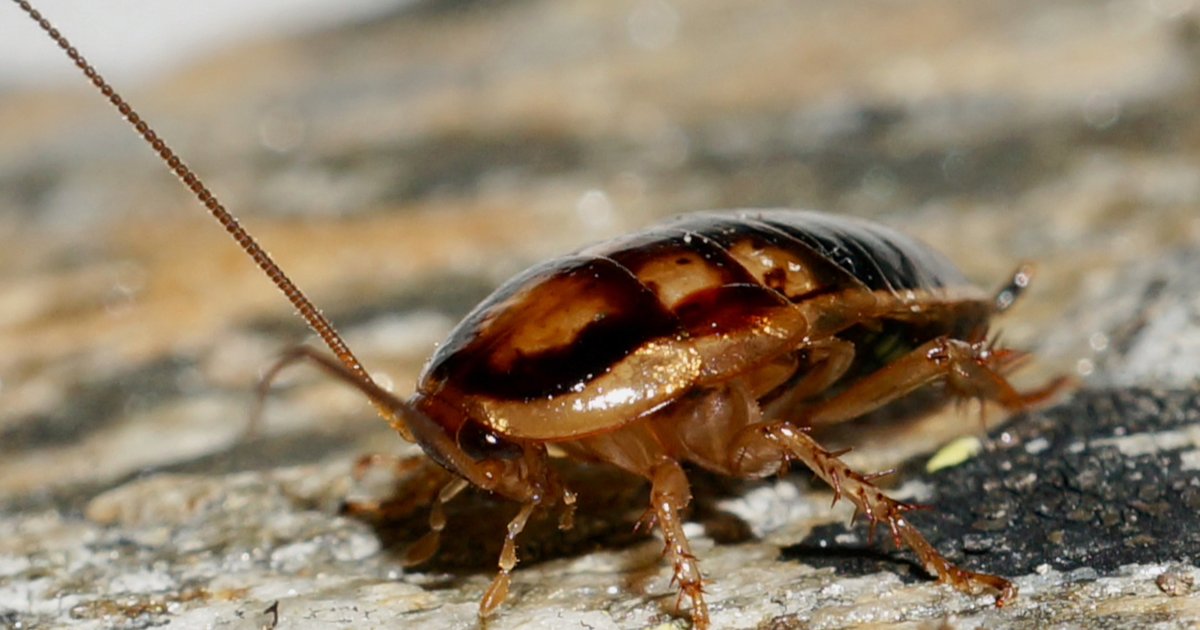
Among the study species, one insect in particular is attracting attention beyond the scientific world: the Otago alpine cockroach. The tiny, glossy, five-spotted insect, found among scree slopes and alpine grasslands, has been nominated for the 2026 Bug of the Year competition.
Professor Morgan-Richards says her team would love to see the freeze-tolerant cockroach take the title.
“It’s a species that embodies the uniqueness of New Zealand’s alpine ecosystems and the incredible adaptations that have evolved here.”
As public voting ends Monday 16 February, the research team hopes the spotlight on the Otago alpine cockroach will highlight both the fragile alpine environments these insects call home and the hidden microbial partnerships that may help them survive.
Keen to learn how organisms interact with their environment? Discover the Bachelor of Science in Ecology and Conservation.