

Listen to this article
Estimated 5 minutes
The audio version of this article is generated by AI-based technology. Mispronunciations can occur. We are working with our partners to continually review and improve the results.
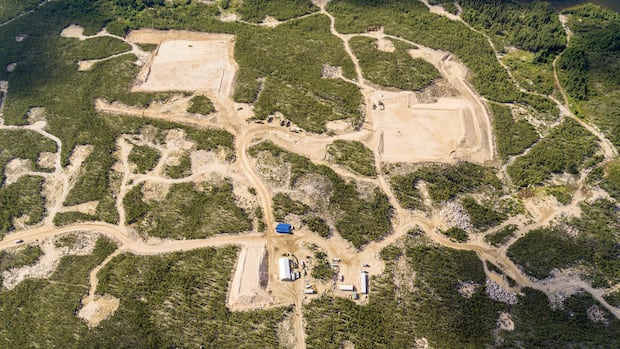
Hearings now underway in Saskatoon could decide the future of Canada’s biggest uranium mining project to date.
NexGen Energy Ltd., a Canadian mining company, entered its second round of hearings for its Rook I mine proposal.
Several Indigenous communities attended to hear about the proposed mine in the Athabasca Basin, about 150 km north of La Loche, close to the Alberta border.
NexGen has been advocating for over a decade to make the Rook I mine initiative possible.
“It’s got the ability to take Saskatchewan and Canada back to being the number one producer of nuclear,” NexGen Energy CEO Leigh Curyer told CBC.
“With AI and data centres being constructed, hundreds of billions of dollars [are] being invested into data centres around the world. They’ve got to be powered.”
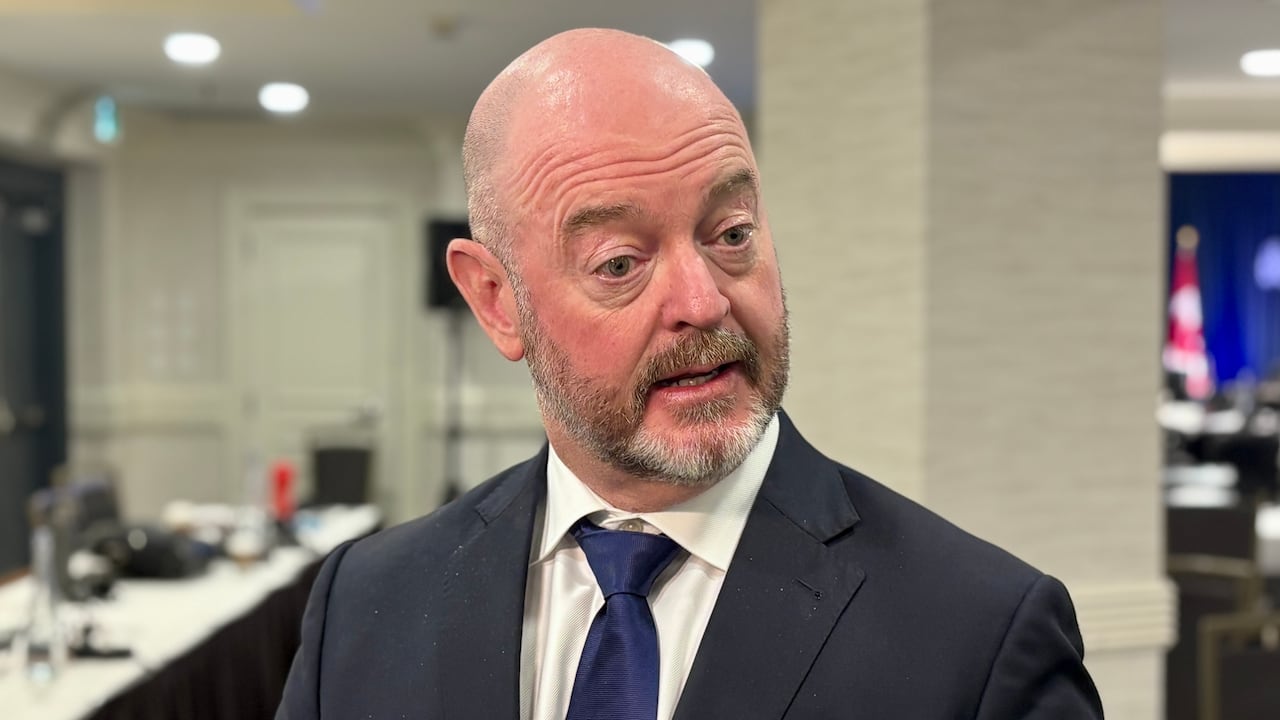 NexGen CEO Leigh Curyer. (Jeremy Warren/CBC)
NexGen estimates the mine would generate $32 billion worth of jobs and infrastructure for Saskatchewan during its duration. Federally, the company estimates $38 billion in revenue over that time.
Next steps
NextGen first submitted the project to the provincial and federal governments in April 2019. The province approved the underground mine in 2023.
The fate of the project now rests with the Canadian Nuclear Safety Commission (CNSC).
The federal safety agency holds the power to decide if NextGen will be granted a licence to build and operate the mine and mill site in the proposed region. The mill is projected to process about 1,400 tonnes of ore daily.
The agency is holding its second round of hearings this week in Saskatoon. The first round was held in November.
Out of the 48 written statements submitted, 42 were positive, two were neutral and two were opposed to the mine being built in the area.
Mining on Indigenous land
The proposed mining site is in the traditional territory of multiple First Nations communities, which have expressed support for the project.
All four Indigenous communities in the vicinity of the proposed mine had representatives at the public hearing, including Birch Narrows Dene Nation, Buffalo River Dene Nation, Clearwater River Dene Nation and the Metis Nation of Saskatchewan.
“I think it’s an excellent reflection of a resources project and what a very respectful, transparent process can deliver in terms of First Nation communities and resources,” Curyer said. “And I think today’s hearing is an incredible representation of that.”
Curyer said Saskatchewan will help Canada become the world’s biggest global uranium and nuclear provider if the mine goes ahead producing up to 14 million kilograms of uranium annually.
NextGen promises the mine will create 350 jobs during construction and another 490 over its 24-year lifespan. The company has committed to hiring 75 per cent Indigenous workers.
“We didn’t want to have janitor jobs that occurred previously in the mines,” said Keith Shewchuk, president of Metis Nation—Saskatchewan Local 39.
“We want careers. So there’s many opportunities for our youth and our future generations, my kids and other generations that are going to have those opportunities that were never there before.”
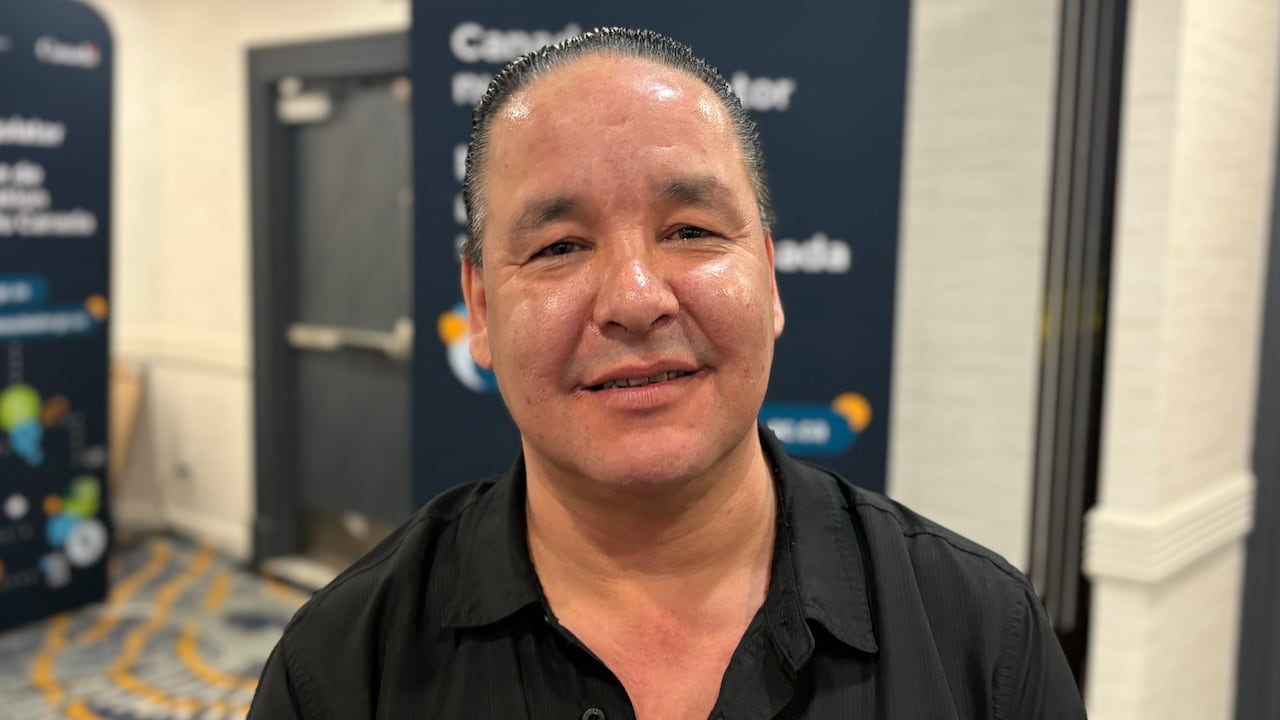 Keith Shewchuk, president of Metis Nation-Saskatchewan Local 39. (Jeremy Warren/CBC)
NexGen has been working with Saskatchewan Polytechnic since 2017 to provide community programs to get people living in the area ready to construct the mine and work there, including courses in carpentry, digital readiness and construction.
Environmental concerns
The proposed mine passed the federal government’s environmental assessment.
Environmental safety was a big topic of conversation at the public hearing, where concerns were raised about water contamination and the possible impact on traditional hunting areas.
Shewchuk said those concerns are valid, as people in the area still heavily rely on hunting. He told CBC that NexGen has collaborated with communities to learn how to respect the land throughout the creation of the mine and during its run.
“Our people are worried about the fish, the ducks, the rabbits, the water and the moose, because we hunt moose annually,” Shewchuk said.
“So we’re worried about how that is going to affect us in the future.”
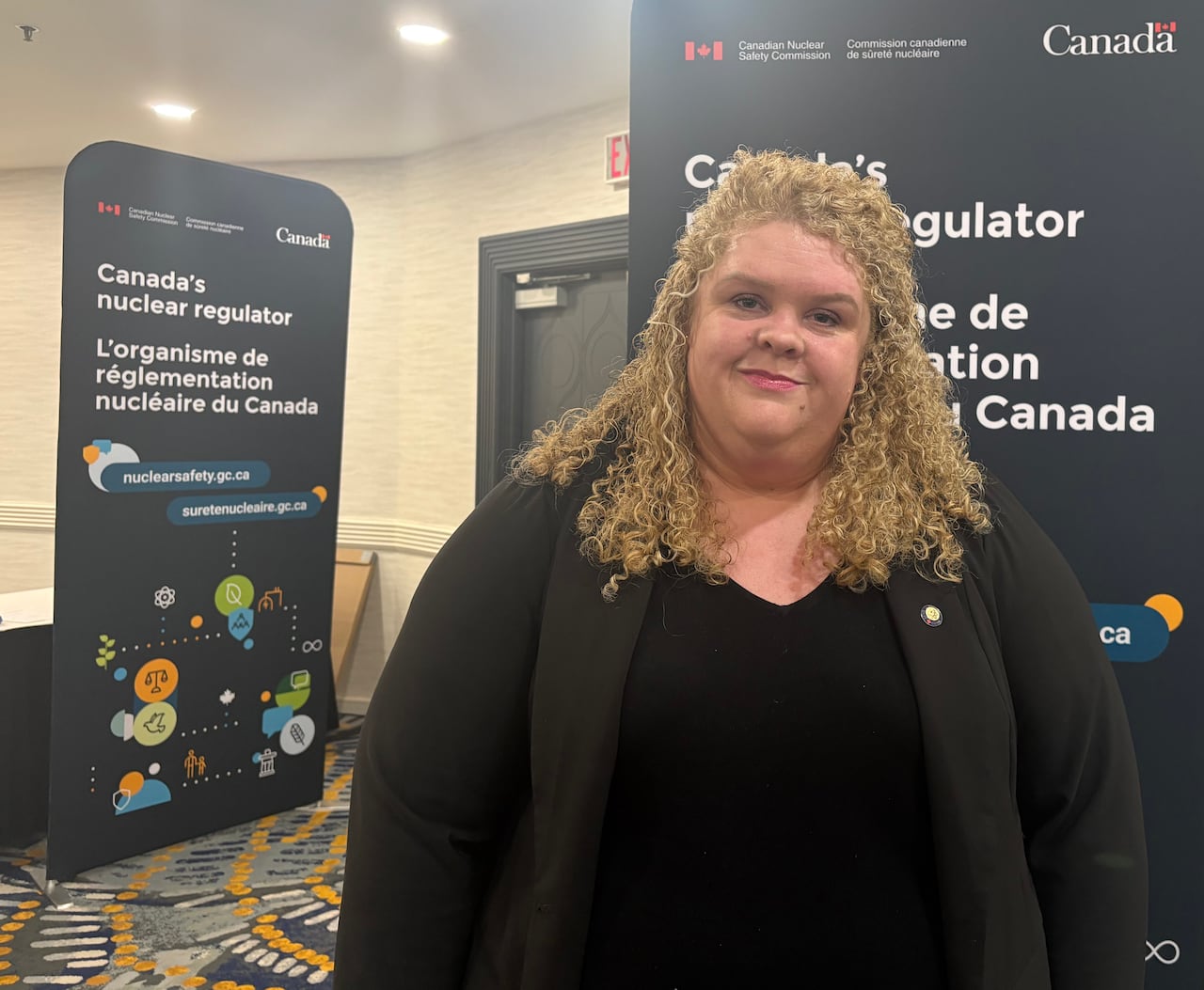 Candace Salmon, registrar for the Canadian Nuclear Safety Commission, says the CNSC will closely monitor and evaluate 13 safety requirements before granting NexGen a licence to build the proposed mine. (Halyna Mihalik/CBC)
That’s one of 13 points the CNSC needs to evaluate before giving NexGen the go-ahead.
“There are a number of areas the commission will dig into and some of them would be radiation protection,” CNSC registrar Candace Salmon told CBC.
“They look at a lot of environmental issues such as water, fish and all the habitat. There’s been a lot of conversation about country foods and ensuring the protection of the land for the Indigenous nations and communities.”
The commission has 120 days from the end of the hearing to decide if NexGen’s mining project can proceed. The public hearing will conclude on Thursday.