
Photo: Supplied / Rocket Lab
A physics professor says he does not trust the New Zealand Space Agency to make good decisions about a likely host of new space launches.
The government is raising the total number of launches allowed to 1000, as the cap set at 100 in 2017 comes close to being breached.
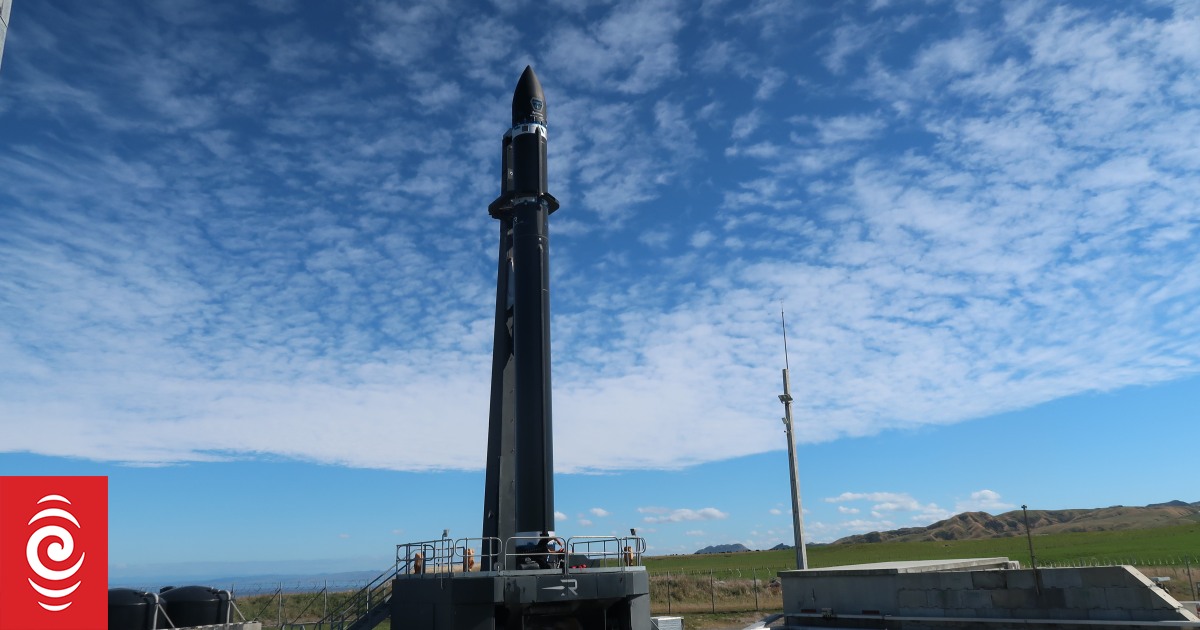
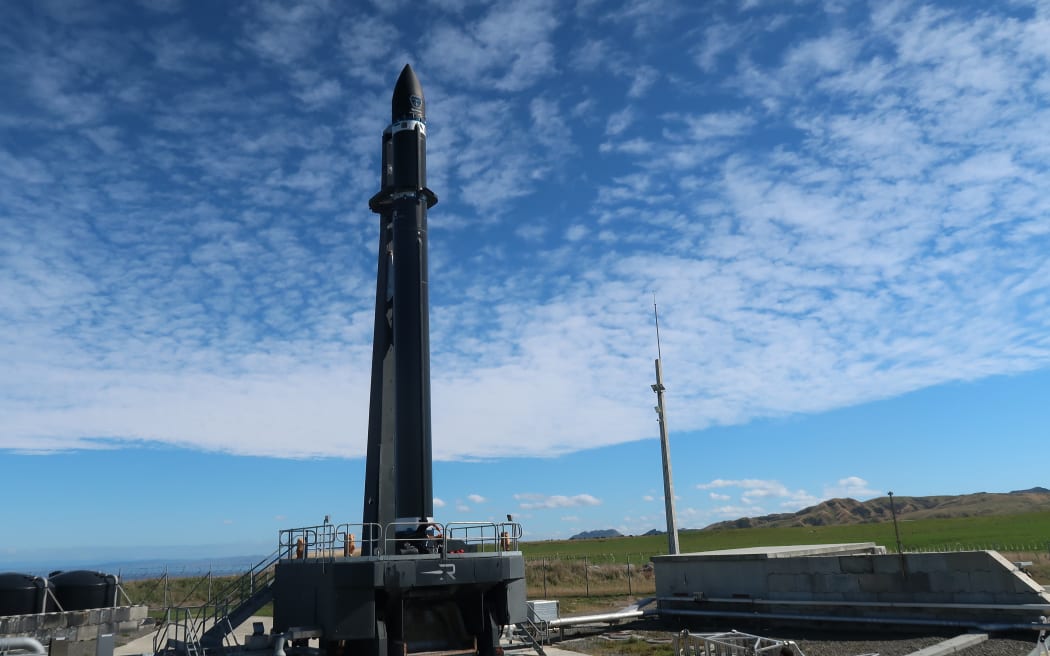
The US-NZ company Rocket Lab dominates the launch market from its pad at Mahia.
Space Minister Judith Collins said the 100 cap was likely to be hit this year.
“This change ensures our space and advanced aviation industries can continue to expand while operating within clear environmental boundaries.”
The environmental impact from more debris from space vehicle launches had been newly determined to be low.
The rules would have required a special marine consent for every launch over the 100 cap.
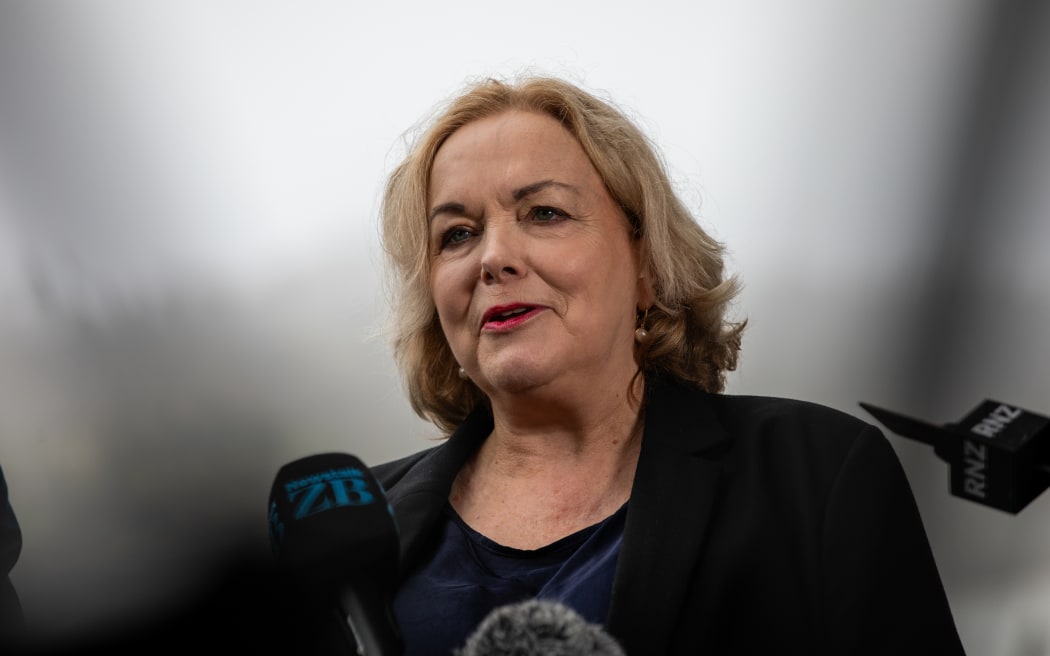
Space Minister Judith Collins.
Photo: Nick Monro
The government has been streamlining aerospace regulations under its strategy to double the industry to be worth $5 billion by 2030.
“This is yet another example of the government fixing the basics while building the future,” Collins said in a statement.
The review late last year covered impacts from debris in the Exclusive Economic Zone on the ocean and seabed but not beyond that, and not the effects on space or the atmosphere.
Māori, maritime and fishing rights, international obligations, economic benefits and environmental sustainability were looked at.
Professor Richard Easther of Auckland University said the new 1000 cap was good for the tech industry – albeit it was over a long period of time.
“You could easily imagine it taking two decades to get through a thousand launches.”
However, he said New Zealand had yet to match its leading launch position globally with taking some sort of lead on the related environmental issues, such as launches and what satellites and other vehicles they take up impacting the nightsky and the chemistry of the upper atmosphere.
“It certainly gives us a seat at the table that otherwise we wouldn’t have … and I would like to think that we were leading on that.”
But the country was not.
“As a country that regulates orbital launch New Zealand should be at the front of these discussions. However, the announcement is silent on this context,” Easther said on Thursday.
There appeared to still be limited opportunity for oversight of launches.
“Firstly, we need to look at whether we trust the New Zealand Space Agency to do the right thing in private.”
Widespread concerns remained the agency had not been forthcoming about a methane-measuring satellite that taxpayers put $32m into but which got lost in space last year.
“They have shown that they can overly deferential to international partners.
“It seems that they didn’t insist on transparency and clarity when they had the ability to do that.
“The question of what gets launched is different from the MethaneSAT question but it is true that it is roughly the same people who are giving advice on both things and so if we don’t have confidence in one it’s very hard to have confidence in the other.”
Sign up for Ngā Pitopito Kōrero, a daily newsletter curated by our editors and delivered straight to your inbox every weekday.