
NEED TO KNOW
New study shows oyster filter feeding has significantly reduced the presence of Hematodinium perezi
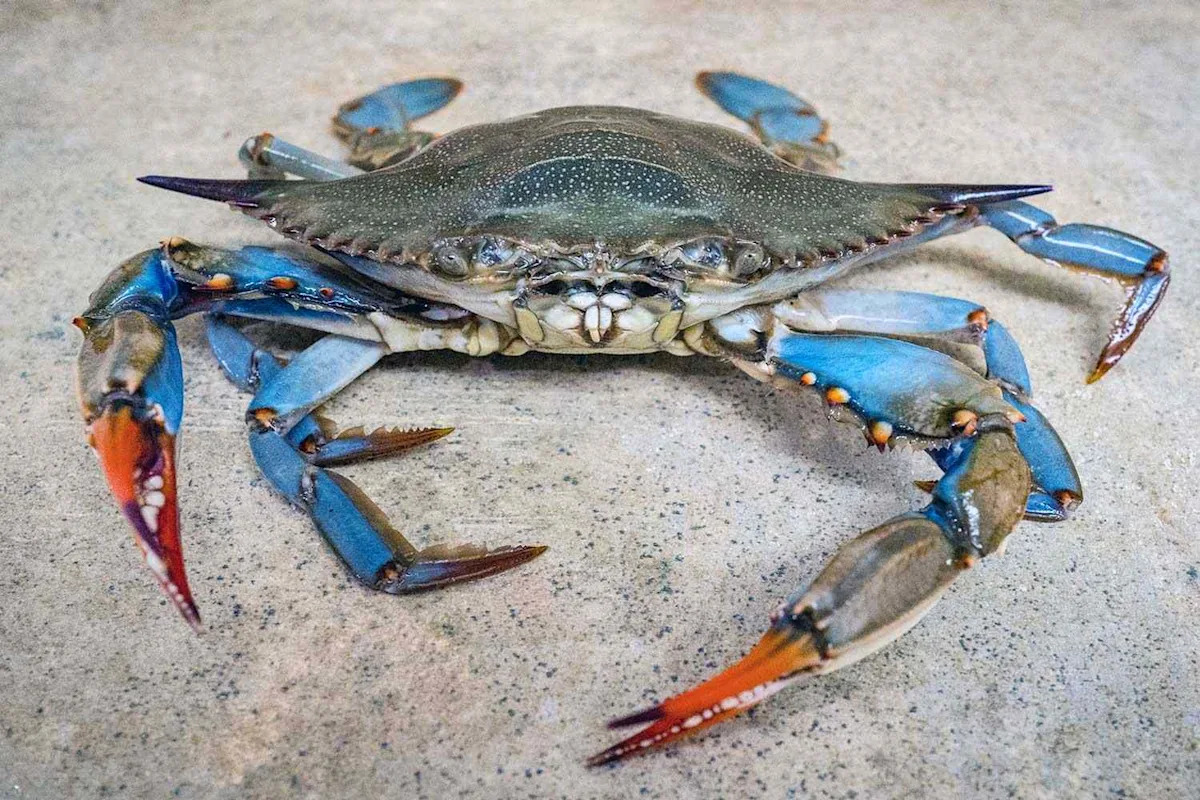
The parasite affects young blue crabs, which are typically found in high-salinity waters, like parts of the Chesapeake Bay
Oysters removed roughly 60% of the parasites from the affected water within an hour
New research suggests that oysters’ ability to filter water benefits nearby marine life and protects it from disease.
A study published in the journal Ecology by researchers at William & Mary’s Batten School of Coastal & Marine Sciences and Virginia Institute of Marine Science (VIMS) found that oyster filter feeding significantly reduced transmission of Hematodinium perezi. This deadly parasite infects juvenile blue crabs in high-salinity waters, like parts of the Chesapeake Bay.
In field experiments conducted on Virginia’s Eastern Shore during peak summer disease season, juvenile crabs placed near live oysters were about one-third less likely to become infected than crabs deployed without oysters. Crabs placed between empty oyster shells showed no similar benefit, highlighting that active filtration, not just reef structure, made the difference.
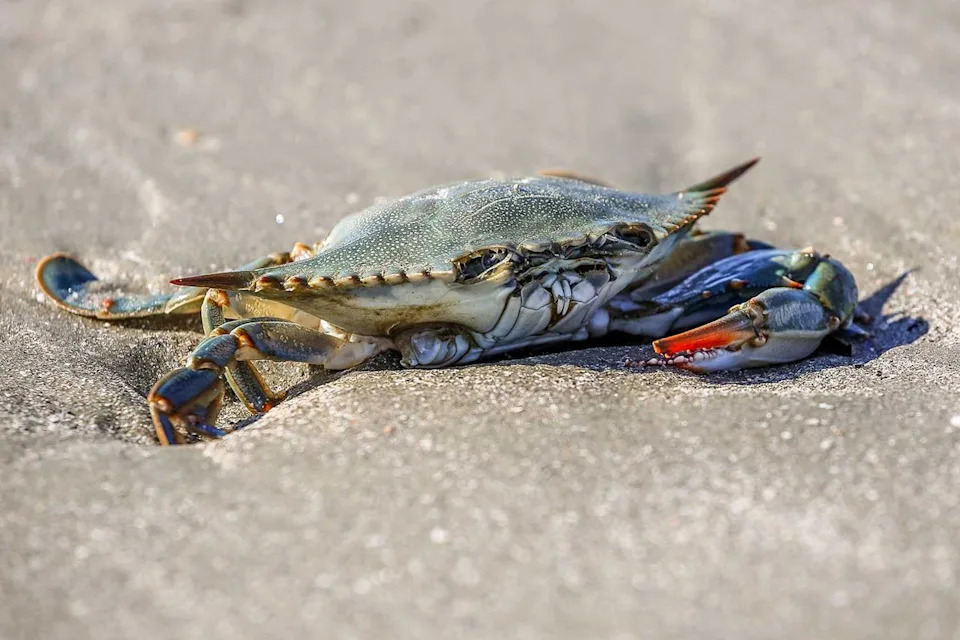
“We know that oysters and oyster reefs provide a variety of ecological benefits, and that crabs are drawn to them for food and protection, but their ability to remove pathogens from the environment has not been well studied,” said Jeffrey Shields, a professor at the Batten School & VIMS who worked on the study alongside graduate student and lead author Xuqing Chen, Ph.D.
In laboratory experiments at the school’s Seawater Research Lab, researchers exposed oysters to dinospores, the parasite’s free-swimming infectious stage. On average, oysters removed more than 60% of the parasites from the water within an hour.
The team also documented an unexpected finding: larger juvenile crabs were more susceptible to infection than smaller ones. That discovery could have implications for fisheries management, as roughly 40% of adult crabs are removed from the system each year.
“The juvenile crabs must fill that void, yet they are highly susceptible, so we need to think about how all of this comes together to increase or decrease the spread of disease,” Shields said.
Never miss a story — sign up for PEOPLE’s free daily newsletter to stay up-to-date on the best of what PEOPLE has to offer, from juicy celebrity news to compelling human interest stories.
Supported by a National Science Foundation grant, the research is part of a broader effort to combine field ecology, laboratory science and mathematical modeling. Scientists hope scaling the findings will clarify whether oyster restoration — still far below historic levels in the Bay — could meaningfully suppress disease and bolster fishery resilience in warming coastal ecosystems.
“This represents a significant reduction in filtering capacity,” Shields said of current oyster populations. “That’s where we’re going next — trying to determine whether we can meaningfully influence this effect for overall ecosystem and fishery benefits.”
Read the original article on People