
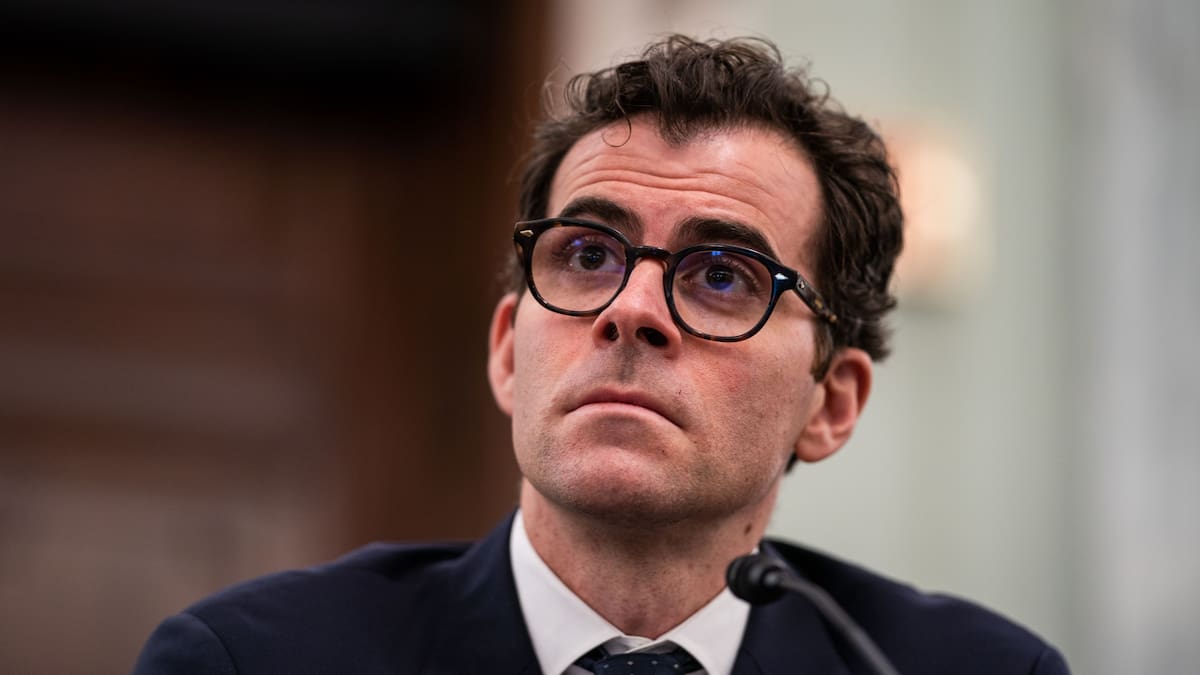
“I’ve never claimed being able to diagnose addiction clinically,” Mosseri responded during the exchange.
“I’m sure I was using the word too casually.”
Facing him, mothers of teenagers who had committed suicide held back their anger in the public gallery.
These representatives of the thousands of families who have filed complaints against major platforms in the United States had camped out in the rain outside the courthouse to secure a seat.
Dopamine dispensers?
Addiction is at the heart of the civil trial, which centres on allegations that a 20-year-old woman, identified as Kaley G.M., suffered severe mental harm after becoming addicted to social media as a young child.
She started using YouTube at 6 and joined Instagram at 11, before moving on to Snapchat and TikTok two or three years later.
Mosseri was the first major Silicon Valley figure to appear before the jury to defend himself against accusations that Instagram functions as little more than a dopamine “slot machine” for vulnerable young people.
Meta’s attorney reasoned in opening remarks that the suffering encountered by the plaintiff was because of her family context and could not be attributed to her use of Instagram or other social media.
The attorney for YouTube insisted that the video platform was neither intentionally addictive nor technically social media, but more a viewing venue like Netflix or traditional TV.
In front of the jury of six men and women, Mosseri also pushed back against the idea that Meta was motivated by a “move fast and break things” ethos that valued profit over safety.
“Protecting minors over the long run is even good for the business and for profit,” he said.
Mosseri’s testimony precedes the highly anticipated appearance of his boss, Mark Zuckerberg, currently scheduled for February 18, with YouTube CEO Neil Mohan the following day.
Apps or traps?
In opening remarks this week, plaintiffs’ attorney Lanier told the jury that YouTube and Meta both engineer addiction in young people’s brains to gain users and profits.
Meta and Google “don’t only build apps; they build traps,” Lanier said.
Under questioning, Mosseri noted that while teens tended to be trendsetters when it comes to technology, Instagram makes less money from them than from other older users because they tend not to click on ads.
“They don’t have a lot of expendable income to then buy things if they do click on ads,” Mosseri added.
A Stanford University School of Medicine professor called as the first witness testified that she views social media, broadly speaking, as a drug and compared YouTube to a gateway drug for kids.
Social media firms face more than a thousand lawsuits accusing them of leading young users to become addicted to content and suffer from depression, eating disorders, psychiatric hospitalisation, and even suicide.
Kaley G.M.’s case is being treated as a bellwether proceeding whose outcome could set the tone for a wave of similar litigation across the United States.
– Agence France-Presse