
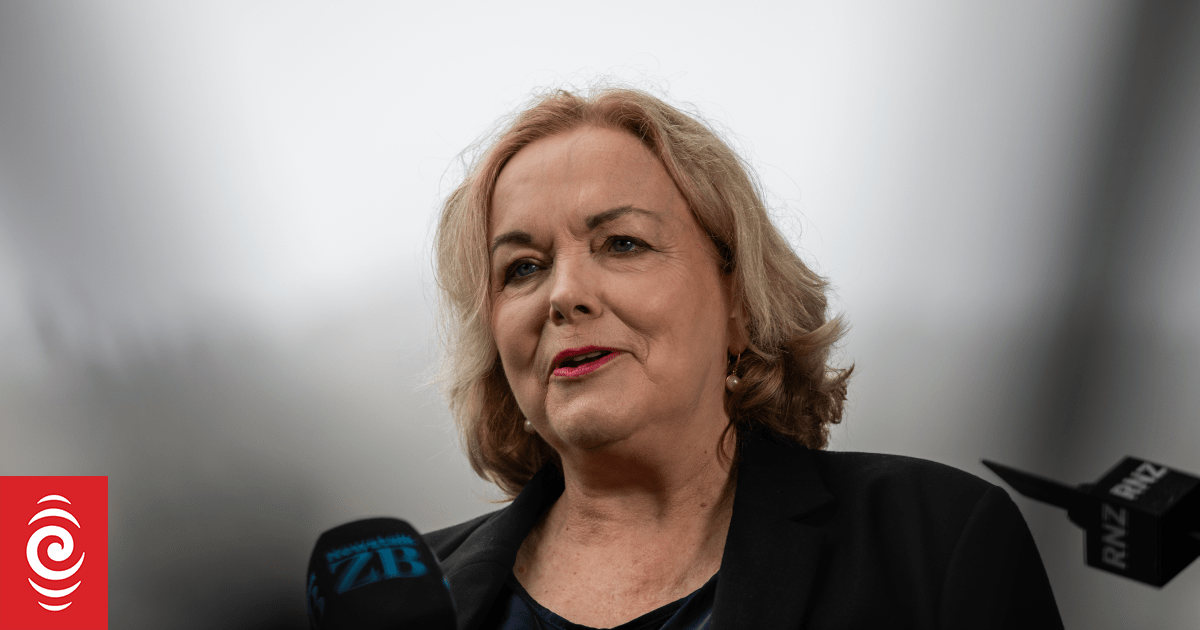
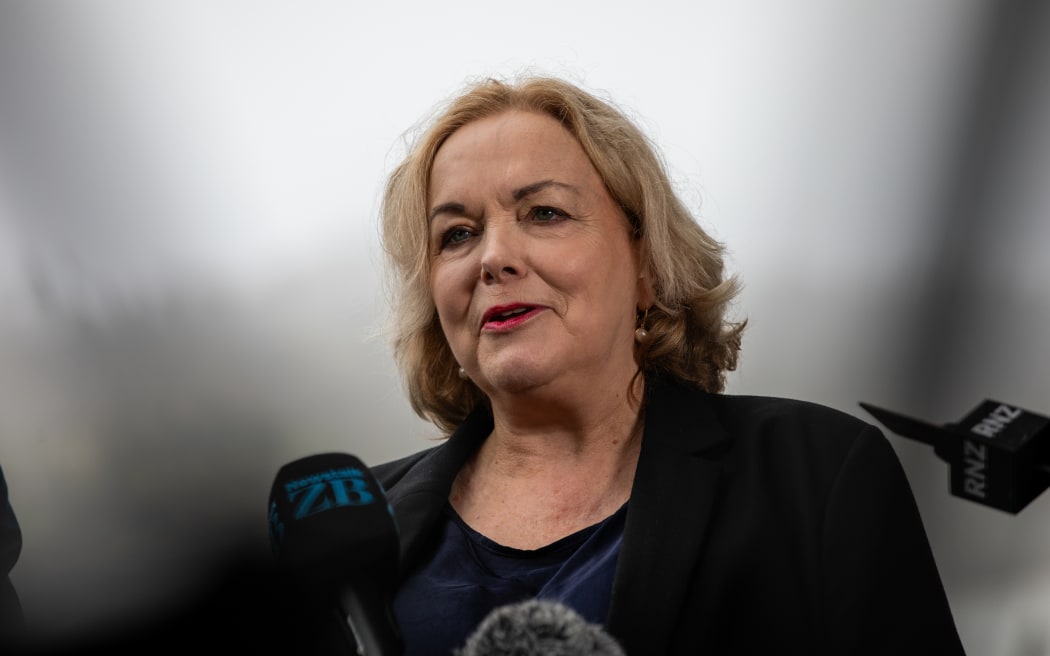
Judith Collins will remain an MP and continue to hold her portfolios until she moves to her new position as Law Commission president in the middle of the year.
Photo: Nick Monro
Judith Collins was the only person considered for the role of Law Commission president – with no recruitment process, no selection panel and no rival candidates.
The appointment amounted to a simple “Cabinet confirmation”.
The revelation came on Friday in response to written questions to the government from the Green Party.
While the Law Commission Act 1985 requires only ministerial sign-off for the presidency, Cabinet guidelines state such appointments should follow “good practice” processes set out by the Public Service Commission.
Speaking to RNZ, Green co-leader Chlöe Swarbrick said Collins’ effective anointment was “deeply concerning” and risked further damaging already “plummeting trust” in the coalition government.
“These independent processes are set up to protect against cronyism and corruption,” she said.
“How on earth can we possibly say that somebody was appointed because they were the best person for the job, when there was a decision to not even consider anybody else for that job?”
The responsible minister Paul Goldsmith told RNZ he was certain he had followed due process and rejected any suggestion of cronyism.
“Sometimes there’s been an external panel [for appointing this position]. Sometimes there hasn’t,” he said, adding there was a “long tradition” of former politicians serving on the Commission.
“We’re absolutely confident in the abilities of Judith Collins to do the job well. She’s obviously got hugely extensive… experience in justice roles across many many years.”
A spokesperson told RNZ Collins recused herself from the Cabinet decision.
Prime Minister Christopher Luxon announced in January that Collins would step down from politics to take up the “prestigious” role at the Law Commission from mid-year.
University of Otago law professor Andrew Geddis said past practice around such appointments appeared “pretty flexible”, but this example looked “nakedly political”.
“The worry is that if you’ve got very loose flexible processes… then it’s open to misuse to an even greater extent in the future.”
Geddis said Collins may well do a good job in her new position but would face a challenge convincing the public she could uphold its independence.
“I don’t think it’s conspiracy thinking to say that the government has chosen to reward one of its long-standing loyal servants with this role.”
Collins’ predecessor Mark Hickford was appointed to the Commission in October but given an unusually short six-month term as president, “pending the confirmation of a new president in the new year”.
Collins was unavailable for comment, having departed for Germany on Wednesday to attend the Munich Security Conference.
Last month she told media she intended to play “a straight bat” in the role: “This is too important. The Law Commission is not there to play political games.”
Sign up for Ngā Pitopito Kōrero, a daily newsletter curated by our editors and delivered straight to your inbox every weekday.