
Cancer remains the second leading cause of mortality in the European Union, following cardiovascular diseases. In 2024, an estimated 2.7 million people were diagnosed with cancer across the EU, resulting in approximately 1.27 million deaths. The Public Health Committee of the European Parliament is currently developing an implementation report to assess the progress of EU initiatives to address cancer.
Members of the European Parliament (MEPs) are advocating for the continuation of dedicated EU health funding to support cancer initiatives and research. They emphasise the importance of renewing the EU’s political commitment, funding, and coordination to ensure the comprehensive execution of Europe’s Beating Cancer Plan.
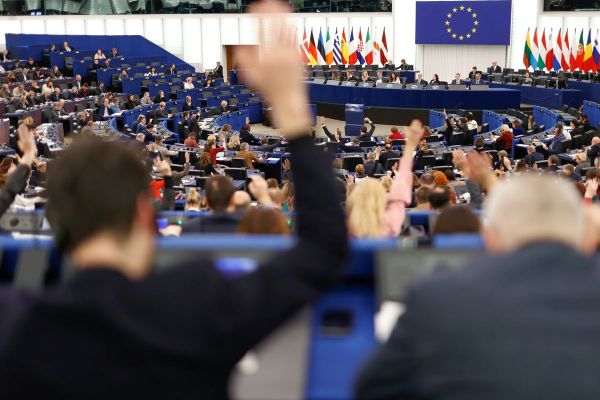
On Thursday, Parliament adopted a resolution to commemorate this year’s World Cancer Day on 4 February, with 427 votes in favour, 15 against, and 93 abstentions. To guarantee ongoing, predictable investment in key EU initiatives such as Europe’s Beating Cancer Plan, MEPs are calling for the establishment of a dedicated EU health programme within the long-term budget for 2028-2034.
Furthermore, MEPs highlight the necessity for the European Commission and EU member states to recognise health and oncology care as vital social investment objectives, achievable through national and regional partnership plans (NRPPs). This support should encompass long-term cancer infrastructure, including vaccination and screening programs, workforce development, and the establishment of robust oncology data systems.
Parliament reiterates the importance of ensuring fair, timely, and affordable access to oncological medicines and innovative therapies throughout the EU. The Commission, in collaboration with member states, is encouraged to facilitate voluntary joint procurement, promote price transparency, and support expedited market entry for life-saving cancer treatments.
MEPs also advocate for improved cross-border access to specialised cancer care and clinical trials, particularly for rare and complex cancers. Additionally, the EU and its member states are urged to enhance protections for cancer survivors against financial discrimination, including the implementation of the “right to be forgotten.” The resolution calls for a harmonised framework to guarantee that cancer survivors have access to essential financial services, such as mortgages, loans, and insurance.