
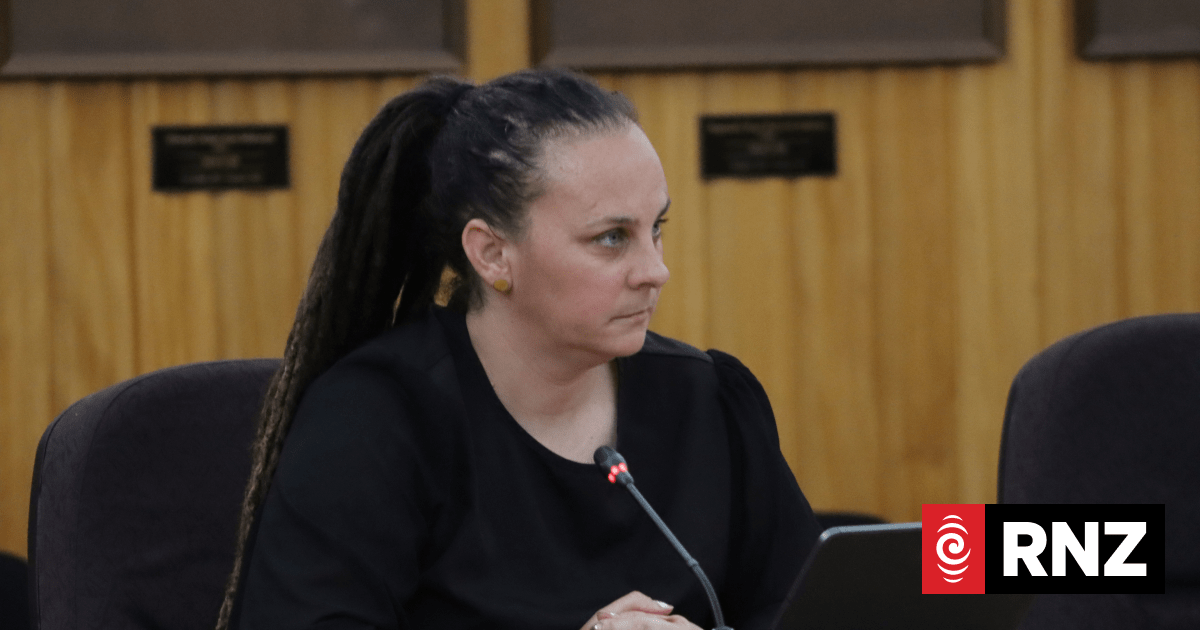
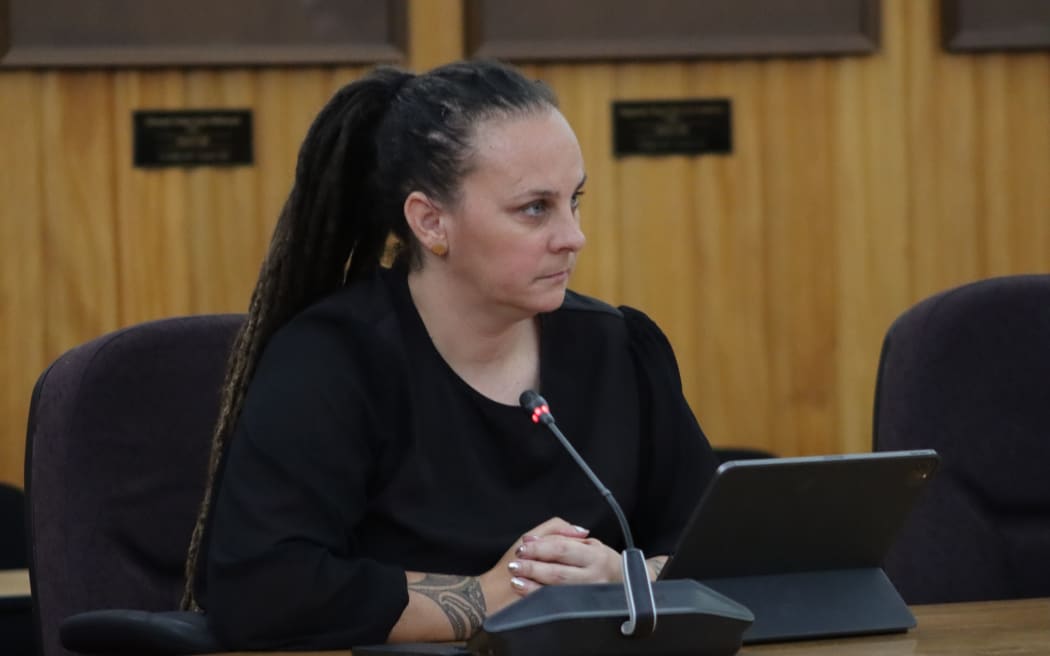
Māori ward councillor Julie Herewini said the mana whenua section of Whanganui District Council’s newly adopted governance manual should return to the full table for approval once drafted.
Photo: Tuakana Te Tana / LDR
A section outlining Whanganui District Council’s responsibilities to work with Māori and mana whenua has been left blank in its newly adopted 2025-28 governance manual.
The omission was raised during council debate on the manual, which sets out governance structures and roles for the new triennium.
Democracy services manager Anna Palamountain told councillors the section had not yet been finalised and required further consideration.

Photo:
“I need to think about what that section means to this council, talk with the mayor, and consider it in a wider context than just the committee structure,” she said. “I wanted to give it some conscious thought.”
Councillor Kate Joblin asked who the council would consult “in terms of mana whenua” when drafting the section.
Palamountain said a starting point would be engaging with existing groups that include councillor representation but acknowledged more discussion was needed to clarify what the section should cover.
“We need to be conscious that we do work with our iwi partners,” she said.
Interim chief executive Barbara McKerrow said such sections typically summarised council responsibilities under the Local Government Act and would need to reflect the Te Awa Tupua (Whanganui River Claims Settlement) Act 2017.
Māori ward councillor Julie Herewini said once drafted, the section should return to the full council for formal approval.
“It’s important that everybody around the table has oversight of that section and has an understanding of what’s included in it,” she said.
Fellow Māori ward councillor Geoff Hipango reminded councillors that the council already had established policy settings governing engagement with tangata whenua.
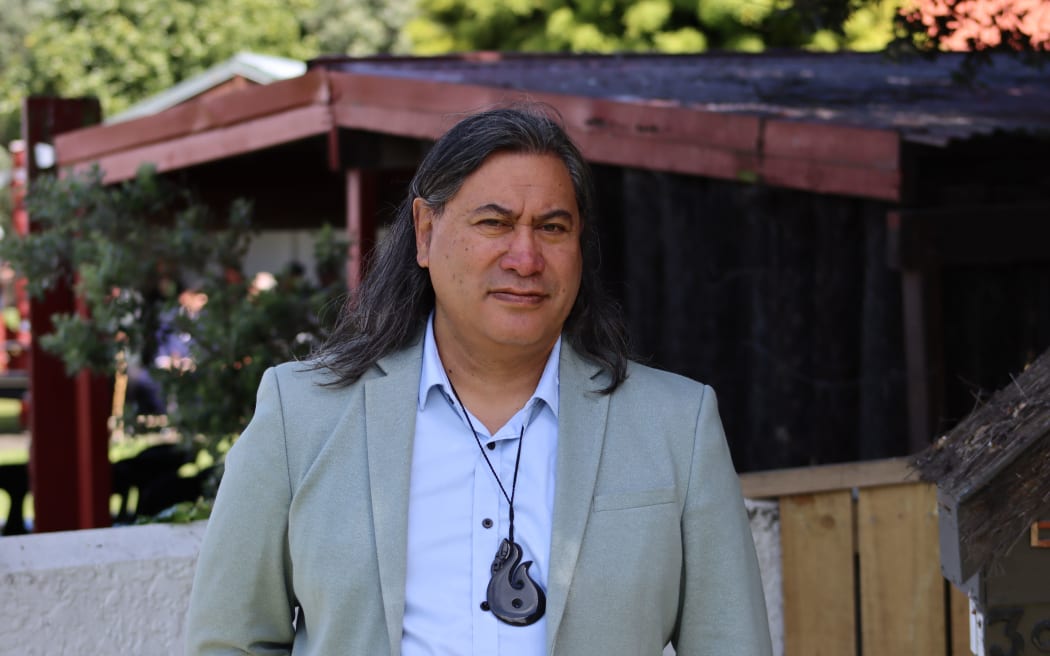
Māori ward councillor Geoff Hipango said Whanganui District Council already had settings outlining engagement with tangata whenua and could build on those.
Photo: Tuakana Te Tana / LDR
“You actually have noted in your significant engagement policy what engagement with tangata whenua looks like,” he said.
“It reads well, it’s not hierarchical, it allows for the different aspects of marae and different council agreements with rūnanga, [and] within the treaty settlement process of engagement.
“Sometimes it’s not about rewriting or rejigging, but using what you already have,” Hipango said.
The governance manual was adopted at the council’s first meeting of the year, with the Māori engagement section to be completed at a later date.
LDR is local body journalism co-funded by RNZ and NZ On Air