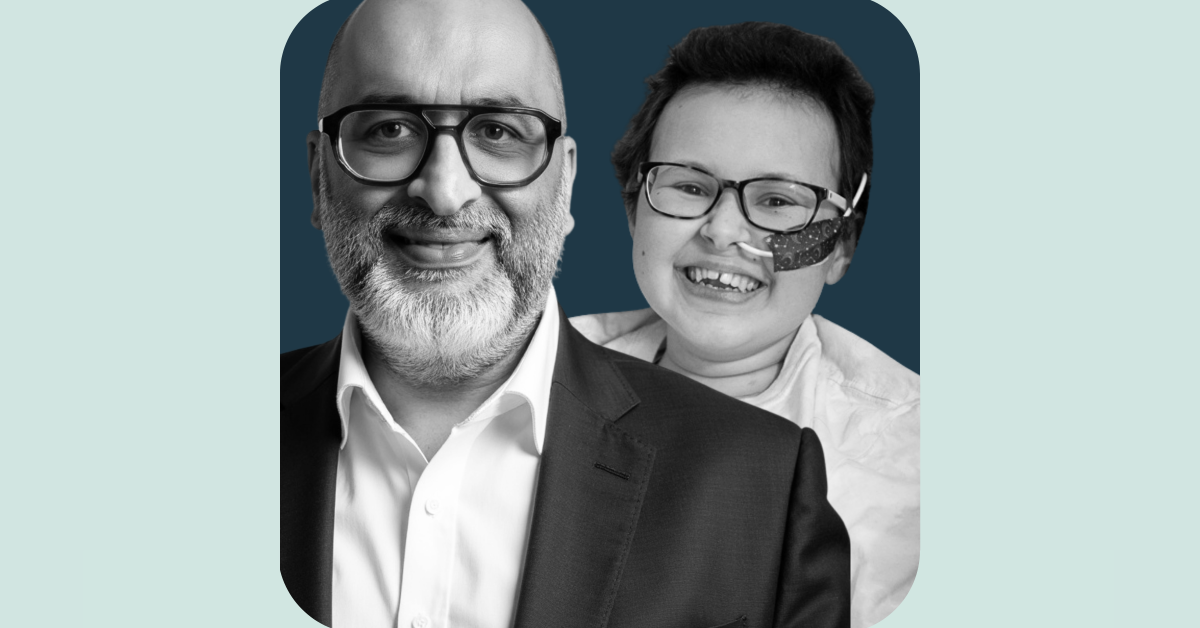
In 2022, Alyssa Tapley, then 13, was told that her cancer—a form of T-cell acute lymphoblastic leukemia—was terminal. As a last resort, she enrolled in a clinical trial at the U.K.’s Great Ormond Street Hospital that involved tailoring donor immune cells to attack cancer using base editing—a new type of gene editing that allows for faster, more precise changes, says Waseem Qasim, the trial’s leader and a professor of cell and gene therapy at University College London. That year, Tapley became the world’s first patient to receive a base-edited cell therapy. The response, detailed in a New England Journal of Medicine study in December, was remarkable. Tapley has been in remission for three years after a successful bone marrow transplant and plans to pursue a career in cancer research; the trial’s 10 other patients also saw a substantial reduction in disease, with eight others in remission deep enough to enable bone marrow transplants, too.