
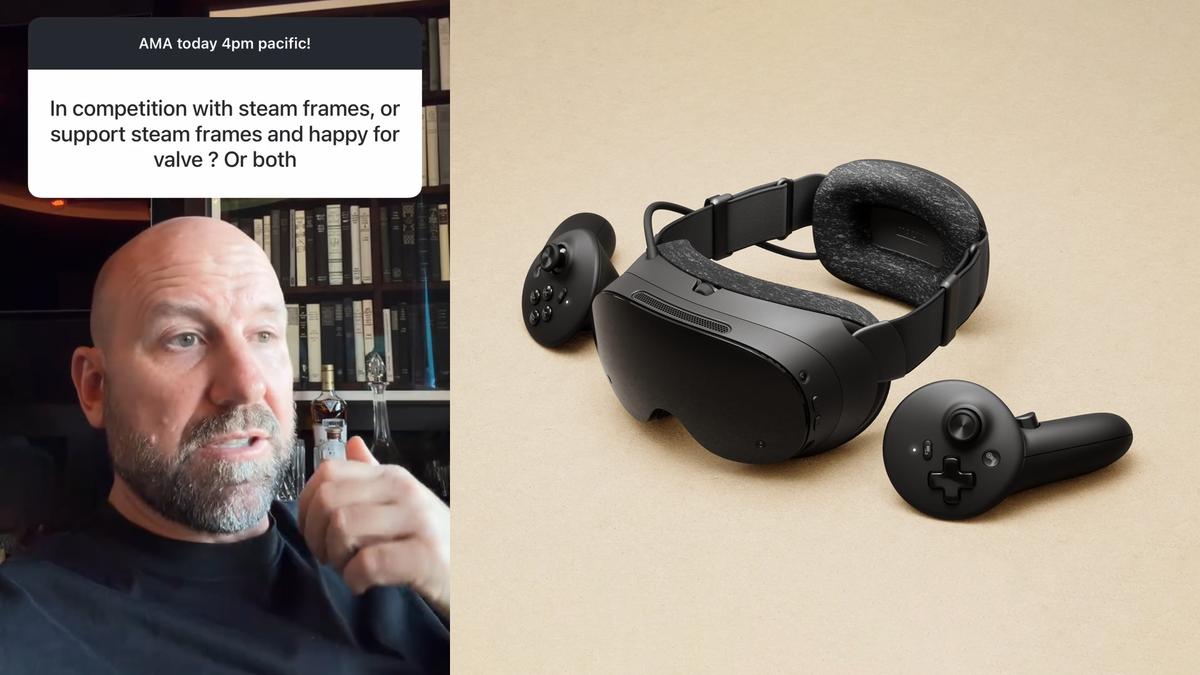
Meta CTO Andrew Bosworth says that, as with all new headsets, the company will “learn from” Steam Frame if it’s successful.
During an “ask my anything” session on his Instagram page, when asked whether Meta will be in competition with Steam Frame or “support” it, Meta CTO Andrew Bosworth replied by saying that it’s “a little bit of both”.
“It is a little bit of both. I have said this before—and I will say it again, because it is really true—every time there is a new headset, we learn from it. We learn how consumers respond to the decisions made regarding architecture, resolution, and cameras. For example, with the Steam Frame, it looks like they included a wireless dongle. We experimented with a dongle many times to make a wireless link work, but we decided it was just too much hassle. They chose to go that route. If consumers love it, maybe there is a bigger market there than we realized.
Every time someone launches something new, it is an experiment that costs me nothing, which is great. Obviously, we do compete with them. Quite a few people use Quest specifically because it is not just standalone, but also capable of PC gaming. I think that is a strong value proposition: being able to use the device both with a PC and without one. However, Steam is trying to build an entire ecosystem, including portable PCs. So, ultimately, it is a little bit of both.”
Bosworth has given a relatively similar answer for past VR headsets and accessories, suggesting that Meta will assess it based on how consumers respond, i.e. how well it sells. For example, he once claimed that if the Pico Trackers sold exceptionally well, Meta would “have to” make an equivalent.
“Every time someone launches something new, it is an experiment that costs me nothing, which is great”, Bosworth quips in the Steam Frame response.
D-Link VR Air Bridge No Longer Works In Windows 11 24H2
D-Link’s VR Air Bridge wireless PC VR dongle, made in partnership with Meta, no longer works after Windows 11’s 24H2 update, the same update that made Windows MR headsets no longer function.
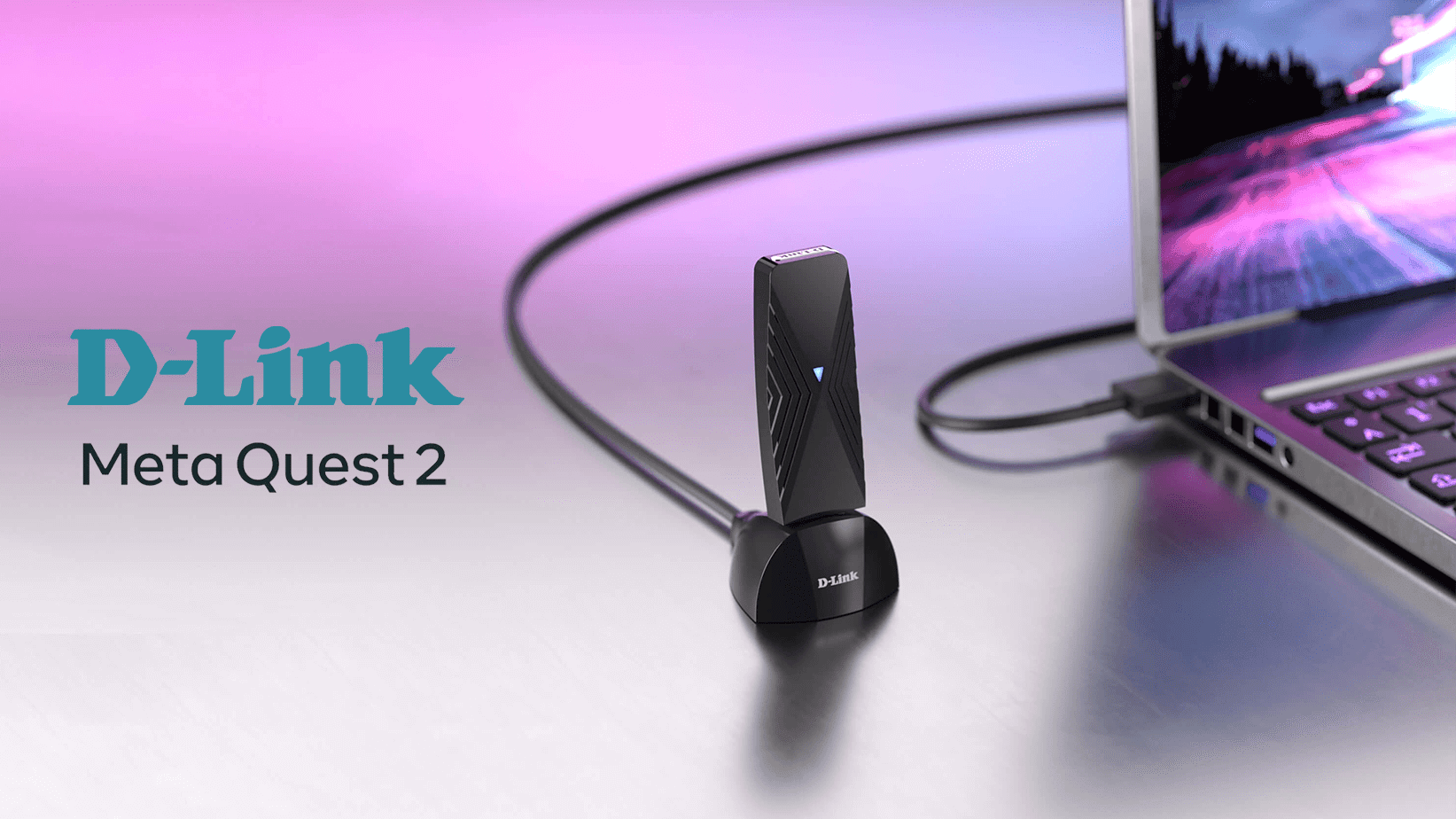
The Meta CTO specifically points out Steam Frame’s included wireless dongle as something his company tried in the past but “decided it was just too much hassle”.
In late 2022, Meta partnered with D-Link to ship VR Air Bridge, a $100 official accessory for gaming PCs to directly connect to Quest 2 for Air Link, a somewhat similar concept. But whereas Steam Frame itself creates the hotspot that its dongle seamlessly connects to, and the headset has a dedicated 6 GHz radio for this, VR Air Bridge was a decidedly lower-effort approach, a traditional 5 GHz hotspot with a somewhat clunky setup process.
Is Bosworth right that a dongle is “too much hassle”, or as with Quest Pro, is this another example of Meta deciding that a general idea is bad because its specific implementation was poor?