
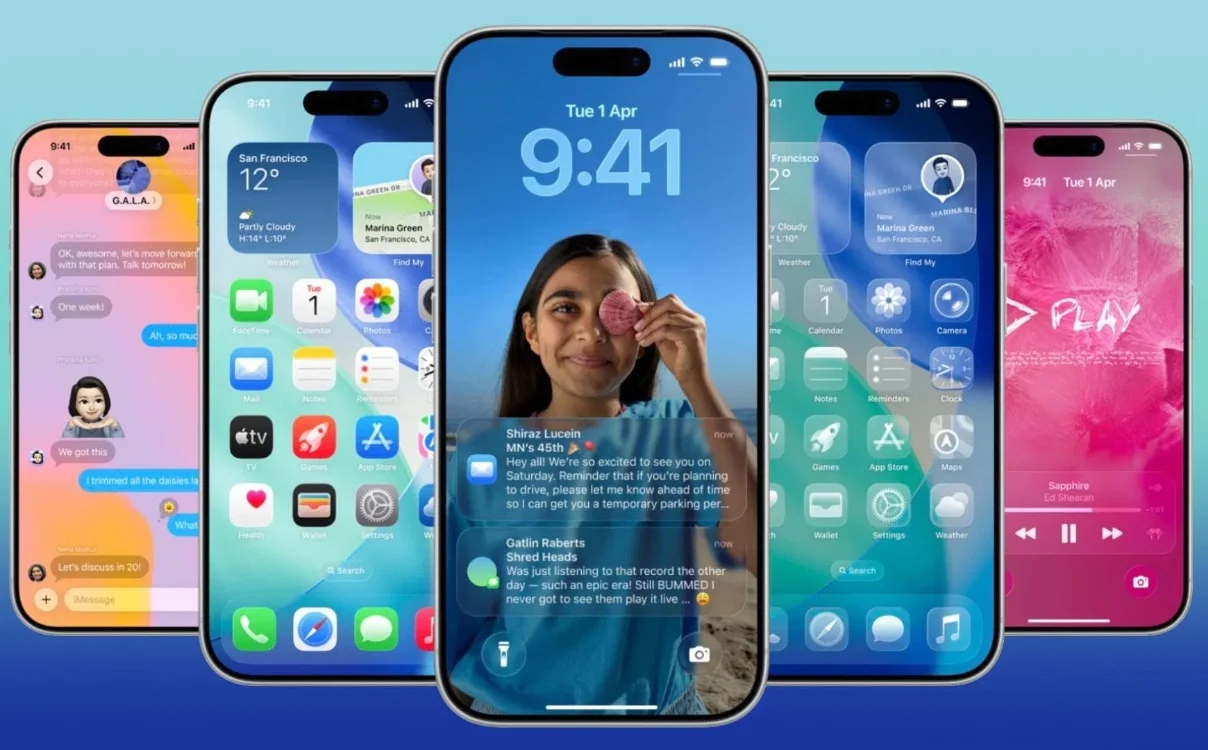
Apple has already issued a chilling warning to all iPhone users, literally hours after releasing the iOS 26.3 update.
To be fair, this warning sounds like every other warning, because these warnings always sound like the end of the world.
But there’s a reason it should be taken seriously.
Mainly because it fixes a problem that Apple has been trying to solve for ages.
DISCOVER SBX CARS: The global premium car auction platform powered by Supercar Blondie
This is why Apple issued such a chilling warning
The new iOS 26.3 update fixes a critical vulnerability that is already being exploited by hackers on more than one occasion.
The update addresses around 40 different security vulnerabilities across the system, including bugs that could potentially allow hackers to see your photos or deleted notes from the Lock Screen.
 Grey Wight/Unsplash
This has already happened, by the way – there have been confirmed attacks like this before.
The previous update had already fixed the issue, but only temporarily and only partly, whereas this one should fix it for good.
What’s new with iOS 26.3
The new iOS 26.3 update includes a few minor upgrades and a couple of meaningful ones.
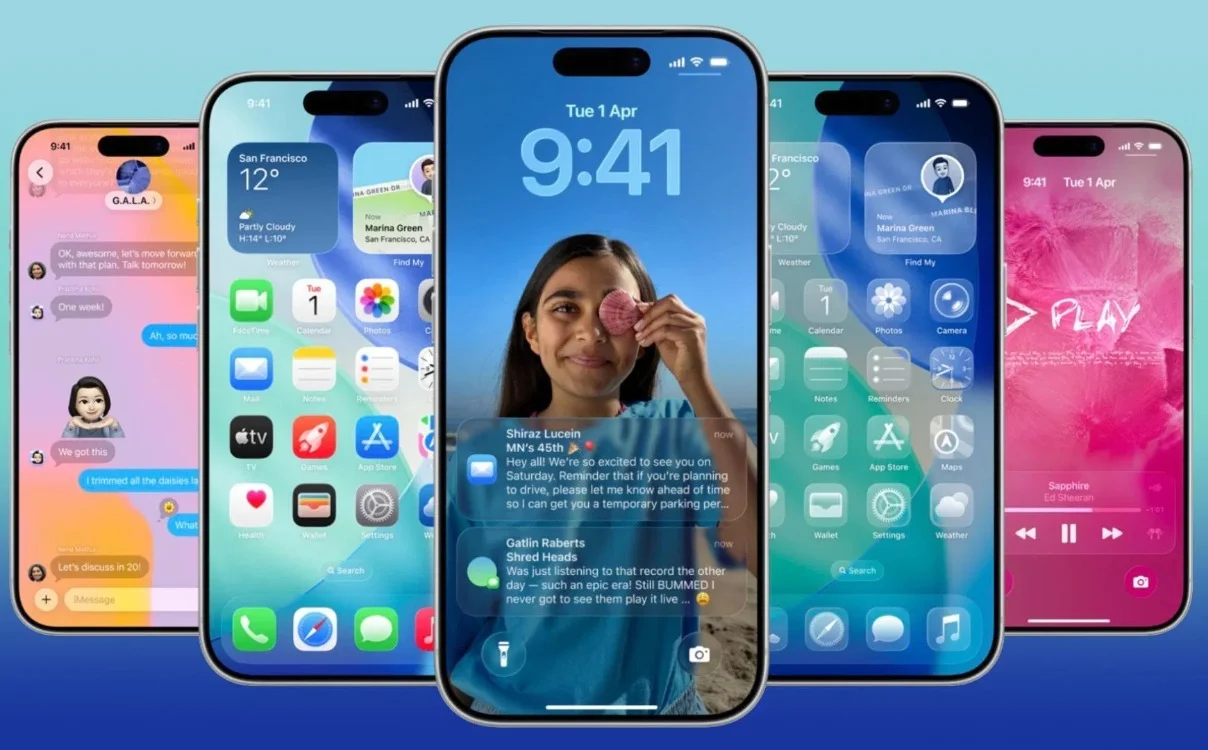
There are a few changes to Lock Screen Weather, and it also includes a new privacy toggle to restrict how accurately carriers can track your device.
In the EU, iOS 26.3 also allows your iPhone to integrate with other watches and headphones – not just Apple ones.
 Apple
Apple
More importantly, the new update adds ‘Transfer to Android’, which makes it infinitely easier to transfer files from Android to iPhone and vice versa.
This is a huge deal because it confirms that Apple is slowly easing its historically very strict approach to Apple-Android interoperability.
For the longest time, said interoperability was basically zero.
AirPods, iPhones, and iPads weren’t even using the same charger as everyone else.
Then things changed, partly because the company revised its policy, and also because the EU intervened.
One contributing factor – though not the only one – in Apple’s decision to adopt USB-C was the need to comply with EU mandates and avoid the massive fines that would have followed non-compliance.