
“We have a case like this where a child dies or comes to serious harm, it happens to catch the attention of the media, it comes at a politically expedient moment, it gathers public outrage, ministers promise to do something, recommendations are made, most of them are not followed through or funded – and people forget about it until the next child dies.”
Dr Patrick Kelly. Photo / Supplied
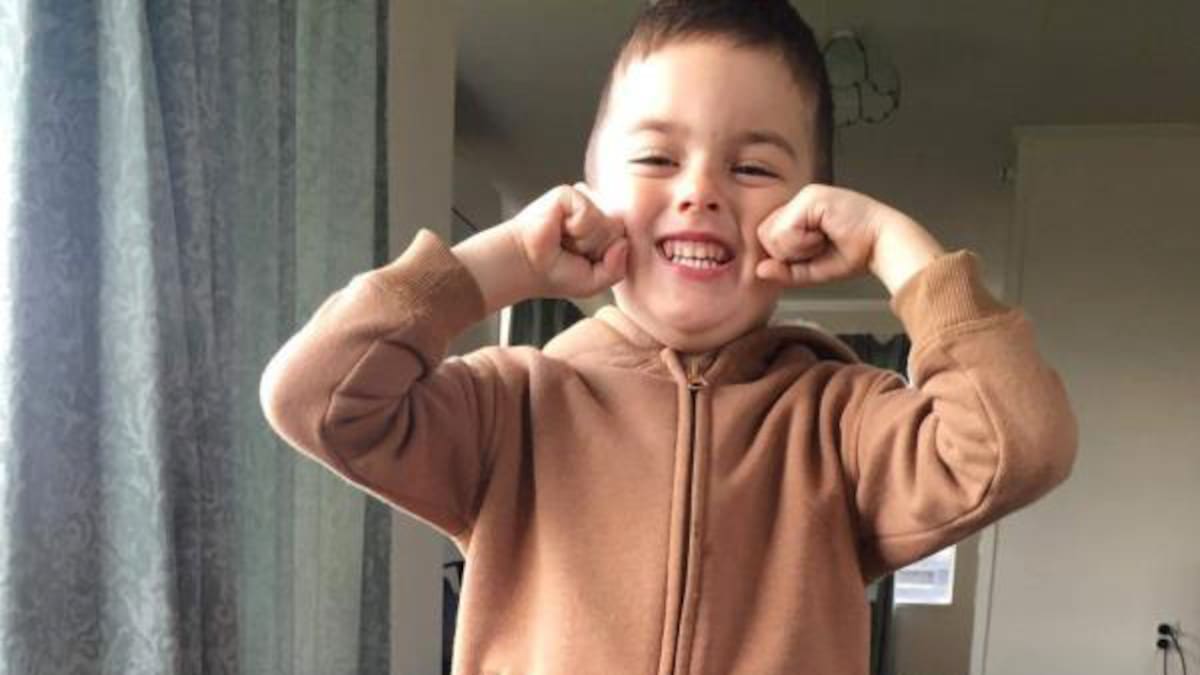
The five-year-old was murdered in 2021 by his carer, Michaela Barriball, who was jailed for a minimum of 17 years.
He was placed in Barriball’s care by his mother when she was imprisoned in June 2021 for importing drugs and signed over guardianship of the boy to Barriball, a friend from Tauranga.
Speaking on a personal basis, Kelly said he did not believe there was any method that could completely eliminate the kind of violence Subecz had endured.
“However, we have rates of child abuse that are well above the OECD average, so it is clearly possible to reduce the number of deaths.”
Following his death, the Government agencies that had had contact with Subecz, his mother, and Barriball carried out practice reviews.
The chief executives of the six agencies also jointly commissioned a review by the late Dame Karen Poutasi, whose report was released in November 2022.
She identified five critical gaps and made 14 recommendations, which the Minister for Child Poverty Reduction recently announced the Government would implement.
This week, seven further recommendations following the boy’s death were released by the coroner.
Coroner Janet Anderson said the pace had been slow and the changes that need to be made in Oranga Tamariki’s practice were “not happening fast enough”.
Her recommendations include urgent action to identify dependent children when sole caregivers are imprisoned, ensuring independent safeguards to confirm safe and appropriate care.
The coroner also recommended the development and rollout of an awareness campaign to encourage the identification and reporting of suspected child abuse by members of the public.
Another recommendation was that the Ministry of Education introduce mandatory standardised policies and training for Early Childhood Education Centres, to include specific guidance on how to respond when a child presents at a centre with injuries (whether or not abuse is “suspected”) and types of injuries that are more likely to be non-accidental in nature.
Coroner Janet Anderson. Photo / Jason Dorday
“These policies should also be developed in conjunction with paediatric child protection experts and draw on relevant research and development.”
On Wednesday, Child Poverty Reduction Minister Louise Upston acknowledged the Coroner’s report and said grief for Subecz continued today.
“There have certainly been unacceptable delays in driving meaningful change following Malachi’s death. The first report from the Independent Child Monitor came to me six months into our term and Malachi had died two and a half years before that.
Louise Upston. Photo / RNZ, Angus Dreaver
“That lack of action was unacceptable to me and we have taken it very seriously, including adopting all the recommendations from Dame Karen Poutasi’s review.”
She said the first phase of mandatory training for core children’s workers was underway.
“While developing a full package of mandatory training will take time, swift action has already been taken to fill known gaps. Immediate gains will be made by rapidly rolling out an online module covering foundational child protection information.”
The Minister said the foundation module was initially being rolled out to a subset of core children’s workers.
These included staff from Health NZ, New Zealand Police, Ministry of Social Development (MSD), Ministry of Education, Department of Corrections and Oranga Tamariki.
“We know this type of training will not be new for many children’s workers but by standardising and enhancing existing training, we can ensure more consistent, quality training.
“Mandatory training is our first step and we will then move to introduce mandatory reporting.”
Kelly said organisations working with children already had mandatory reporting.
“All health professionals working in publicly funded healthcare are obliged by organisational policy to report, the same is true of child protection policies in education departments, although we know for example the daycare before Malachi’s death did not report.”
He said Dame Karen Poutasi came to speak to him, as he had treated Malchi. He told her he didn’t believe mandatory reporting would have made a difference in this case.
“Let’s say that the daycare centre had made a report to Oranga Tamariki, and let’s say they sent those photographs to Oranga Tamariki, in my experience, there’s only a 50/50 chance that Oranga Tamariki would have gone to the daycare centre and assessed him and spoken to him, and there’s a less than 50/50 chance that they would have spoken to a healthcare professional about what those photos meant.”
Kelly told the Herald that mandatory reporting ran the risk of just increasing the number of reports, when the real issue was whether there were thorough responses to those reports.
He believed training was profoundly important, but in his 30 years working in the space, he had seen Governments promise more training “again and again”.
“They have never done it. What they might do is fund a training programme for a short period of time, they’ll train a few people…
“It’s not just about delivering a training package, it’s about delivering simple, clear, effective training, delivered by people who know what they’re talking about and backed up by an infrastructure of support.”
Kelly said no government had ever introduced a violence intervention programme, which had been available for health workers for 20 years but was not compulsory.
He said inter-disciplinary teams were also needed to assess children quickly.
Sign up to The Daily H, a free newsletter curated by our editors and delivered straight to your inbox every weekday.