
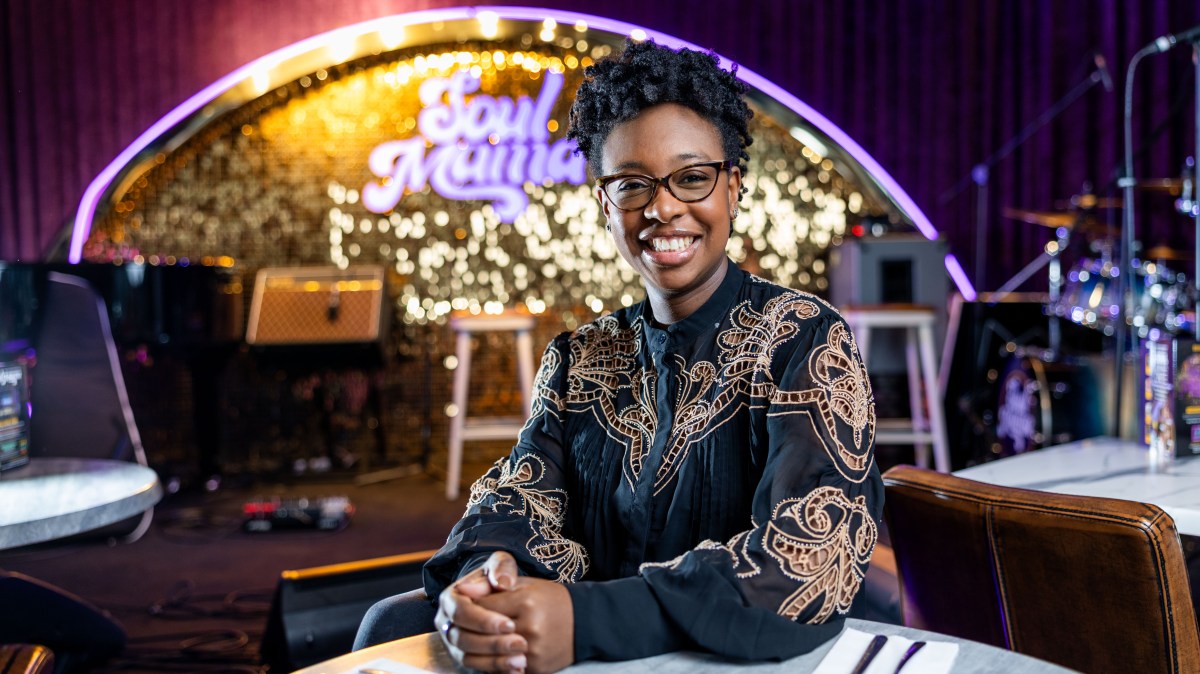
YolanDa Brown, 43, is a musician, broadcaster and philanthropist. As a saxophonist she toured with Billy Ocean, the Temptations and Jools Holland and collaborated with Rick Astley and Kelly Jones of the Stereophonics. She studied operations management at the University of Kent and did two master’s degrees before turning to music. During the pandemic, she worked with Sony Music and Twinkl, an educational publisher, to create music lesson plans for primary schools. Her CBeebies show, YolanDa’s Band Jam, won a National Television Society award. In 2023 she was awarded an OBE for services to music, education and broadcasting.
Brown hosts a Saturday programme on Jazz FM and founded the music venue and restaurant, Soul Mama, in Stratford, east London, with her husband, Adetokunbo “T” Oyelola. They live in Chigwell, Essex, with their daughters, Jemima, 12, and Adelphi, 5.
How much is in your wallet?
I have 50 Singapore dollars and 10,000 Japanese yen because we’ve just come off tour and that’s the only time I carry cash. I’ll put them into my foreign money jar for next time, or sometimes I’ll keep some as a reminder. The tour was amazing. As well as playing, we did some masterclasses in schools, which I love doing. I’m all about passing music to the next generation. But spending? I’m mostly a phone tapper.
What credit cards do you use?
I have a Coutts Silk card and Amex, but I mostly use debit cards. When I do use credit, I pay it off in full every month. I still remember going to the university freshers’ fair and getting every credit card you could — they were giving away a blow-up chair, a blow-up hat and a popcorn machine. But I remember the experience of not being able to pay off the cards and realising you were paying more in interest than you’d even borrowed. That experience taught me and now we just use credit cards when we’re abroad and on tour.
• Liv Cooke: ‘I’m millions of pounds in debt — but it’s good debt’
Are you a spender or a saver?
I think I’m in between. I like to save for a rainy day; I save for the kids’ birthday parties in a separate pot throughout the year and I save for Christmas so I know that’s there, which is important because I host Christmas and there are almost 30 of us clinking through to the new year.
My daughters’ birthdays are January and February, so that’s next. It’s almost like hosting a wedding — everything is priced per head. For Jemima’s 11th birthday, we closed the restaurant for the day and she had a bubble tea-making party with 15 children on a big table. It cost about £25 a head, and that’s only because my restaurant was supplying the food. This year I have to do a K-Pop Demon Hunters slime party.
What was your first job?
I’ve only ever had two jobs. I worked in All Sports in Ilford and then, the summer before I started my PhD, I worked in the Harrods furniture department. I was the top seller that summer. People would come in and want four beds and two sofas. I don’t think we got commission, sadly. I’m not sure what I was paid — maybe a bit more than minimum wage?
I never finished my PhD, I put it on the backburner and that was 20 years ago. That summer I met a band who needed a saxophone player and I happened to play. I only had lessons for a year when I was 13 but my parents bought me a sax and I just used to play. It was therapeutic to me, but I never thought it could be a career. When the band fell apart, the manager asked if I’d ever thought about a career in music. I said no, but I’ll do some gigs if it helps me raise some money as a humble student still paying off my credit cards. Soon I was touring, playing in Russia for the prime minister, in Jamaica, touring the States. It all happened very organically. In 2007 I booked the Mermaid Theatre in Blackfriars and just hoped 600 people would turn up so we could pay the venue and the band.
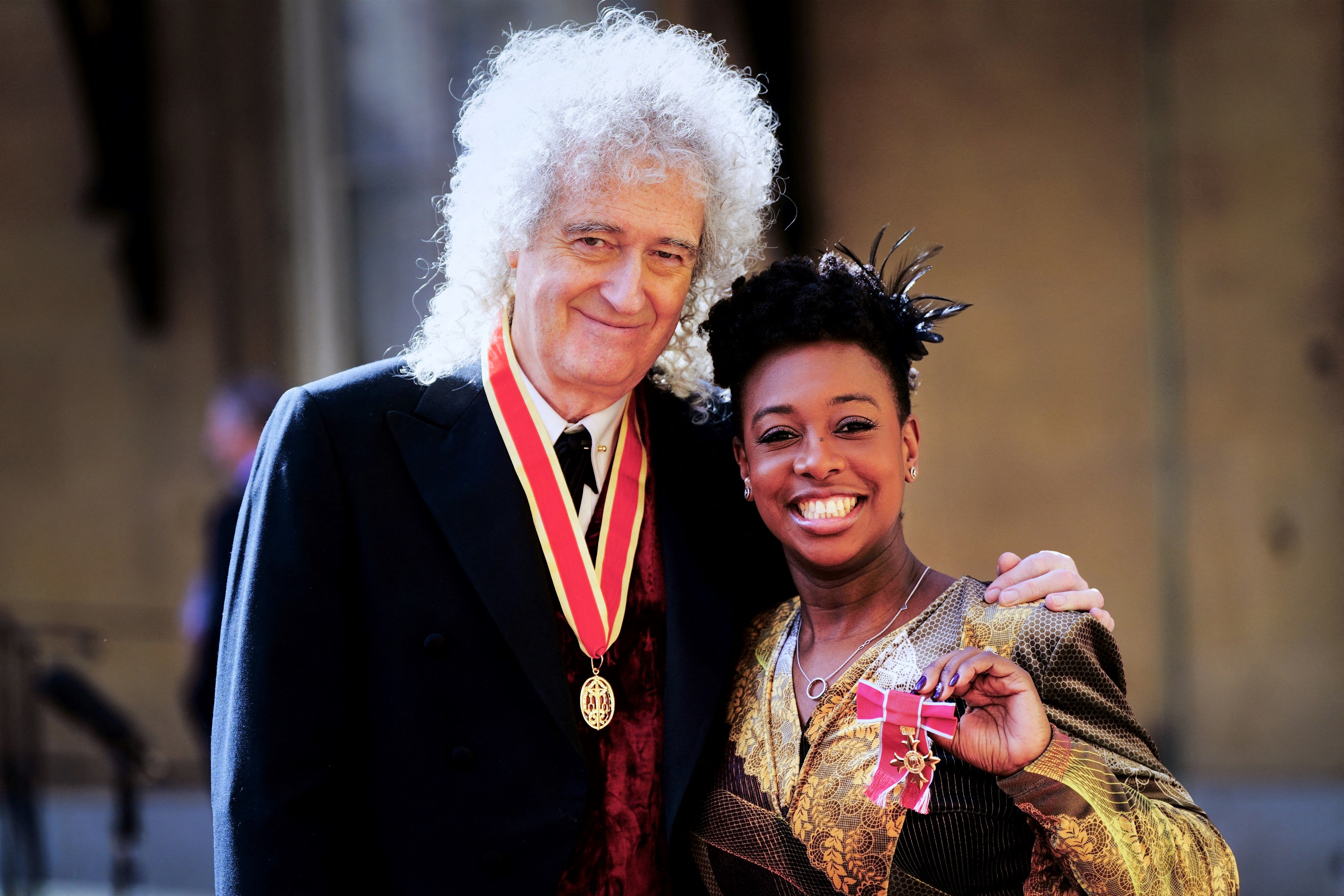
YolanDa Brown with Brian May at Buckingham Palace
AFP
When I got my OBE, Brian May was also getting his knighthood. I told him he was my inspiration — he had put his PhD on hold for Queen and went back and completed it 30 years later, so I’ve still got ten years left!
Do you own a property?
Yes. My parents helped me with my first property, when I was at university, a one-bedroom flat in Grays, Essex, which cost about £100,000, that I still own. Getting on the ladder early, being able to have tenants and have that as an income stream, has been really helpful.
I don’t think I fully understood the weight of their help at the time — it was at a time when it was easier to buy property — but now I do. It’s a lovely little flat; I thought I would live there but it’s too far out of London for me. But it’s been great to be able to keep it, the tenants are lovely and it’s gone up in value a lot.
Have you ever been hard up?
I’ve never seen it as being hard up because I have that long-term vision. If it meant I couldn’t have that pair of jeans because I was investing in an album, then that didn’t feel like being hard up because I was working towards something. As a creative, you’re so focused on what you’re doing that you will easily sacrifice a personal purchase or go eat at Mum and Dad’s while you’re saving for the next gig.
Are you better off than your parents?
I don’t know. I remember talking to my mum in my late teenage years about being black Caribbeans, and how that meant as a parent you always want your children to do better than you did and to have more opportunities than you had, and you work hard to achieve that.
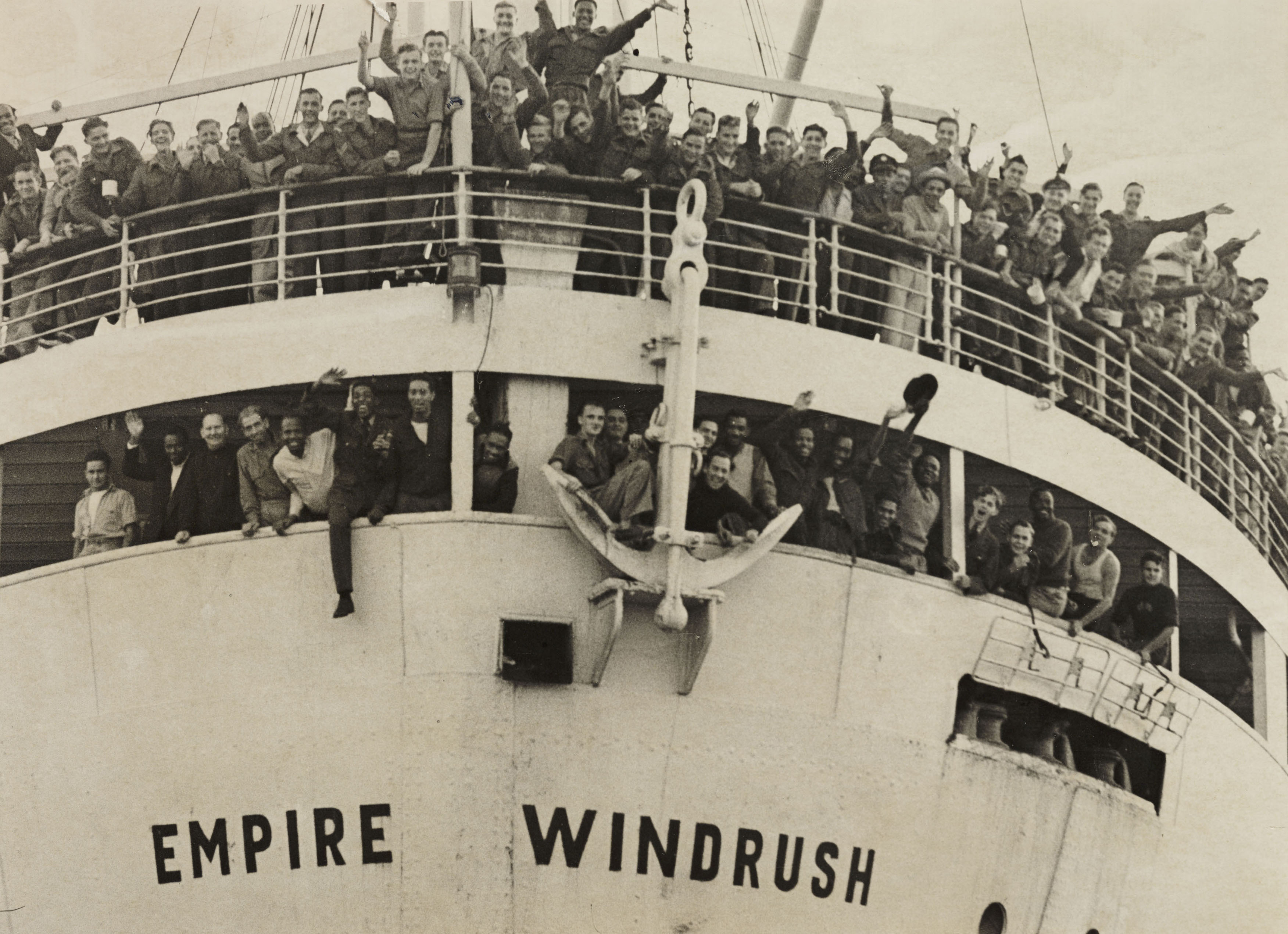
The Empire Windrush arriving at Tilbury docks from Jamaica in 1948
GETTY
My grandma left school at six and came here in the Windrush generation. She worked really hard to own her own property, be a seamstress and raise kids. My mum came to England when she was six. She was the first in her family to go to university and became a teacher. She’s still a governor, inspects schools and does appraisals. My dad had his own advertising agency in the West End. Now he is the “manny” — he looks after all the grandchildren and they come on tour with us and on holidays.
• Matt Edmondson: ‘I’ve invented 16 or so board games, including Obama Llama’
Do you save into a pension?
I have done when I’ve been in employment, but not as a self-employed person. We have some investments, mostly in property. I’d love to take more of an interest but I don’t have the time, so we have advisers. I’m more likely to follow the investments of the charities I’m on the board of.
What’s better for retirement — property or pension?
Property. My dad saved into a pension scheme and it went bust. Just as he was about to draw his pension, there was no money. I can’t get my head around that. I’m still so hurt for him and so I can’t bring myself to do it.
How much did you earn last year?
I’d rather not share that.
What’s your money weakness?
It used to be stationery — I’ve got a whole shelf of notebooks — but I bought a reMarkable Paper Pro and it’s a godsend. It’s like all the notebooks are in here and I can see it on the Cloud and on my phone. I should get a commission at this point, I’ve turned so many people to them. It cost about £500, but now I don’t have my stationery addiction any more.
What’s been your most extravagant purchase?
My saxophone case. I travel with three saxophones — to anyone who ever sees me at the airport, I apologise. It’s always a battle to explain that no, they can’t be put in the hold; they will break, it has happened before. Or they don’t get put on the plane and my saxophone is in Germany and I have a gig to do. So I invested in a case that fits all three but is only the size of one and fits in the overhead locker. It’s lightweight, has skateboard wheels on it, but I can put it on my back. It cost about £12,000 so is worth more than all three saxophones together, but it’s my pride and joy.
Your most lucrative work?
I have been paid ridiculous sums for gigs. We were once flown to the Caribbean and were waiting on the side of the beach for the audience to arrive, assuming it was a wedding or birthday party, but it was just this very rich person and their family — six people. We played our one-hour set, they wanted an encore, so we did that, and we stayed in a lovely hotel for three days. We got six figures for it. It was surreal.
• Rebecca Adlington: I was paid £70k for I’m a Celeb. I’d never had money like it
Do you remember the first time you felt wealthy?
For me, wealth is joy. We’re brought up hearing fairytales about people who have so much money but are just sad, so I’ve never rested my wealth on finance. Wealth isn’t in the money, it is in joy and what you can give to others. I’m fortunate to be in a position where business is booming and it feels great to be able to expand but also to give back.
What’s been your best business decision?
I bought the domain name for Soul Mama in 2014, made the business plan and the PDF deck and went to banks and investors to get funding. Everyone would say: I don’t get it. But I knew a live music venue and restaurant would work, because I’ve played in them all round the world.
In the end we decided to crowdfund through the platform Kickstarter. People could buy a meal, membership, a T-shirt, a concert ticket. We raised £248,148 — it was the most any restaurant in the world had raised on the platform. We got a Guinness World Record. When I went to the Guinness head office to collect the certificate, they said: while you’re here, fancy trying for another one? So I’m also the world record holder for the fastest time to stack 20 Welsh cakes in a tower without them falling over — 19.58 seconds. I tried a bite after, it was a bit dry.
And your worst?
I don’t believe in failure. Any decision — even if it goes wrong and costs us a lot of money — my mum would say: it’s part of life’s rich tapestry. In business, you have to make mistakes to make successes.
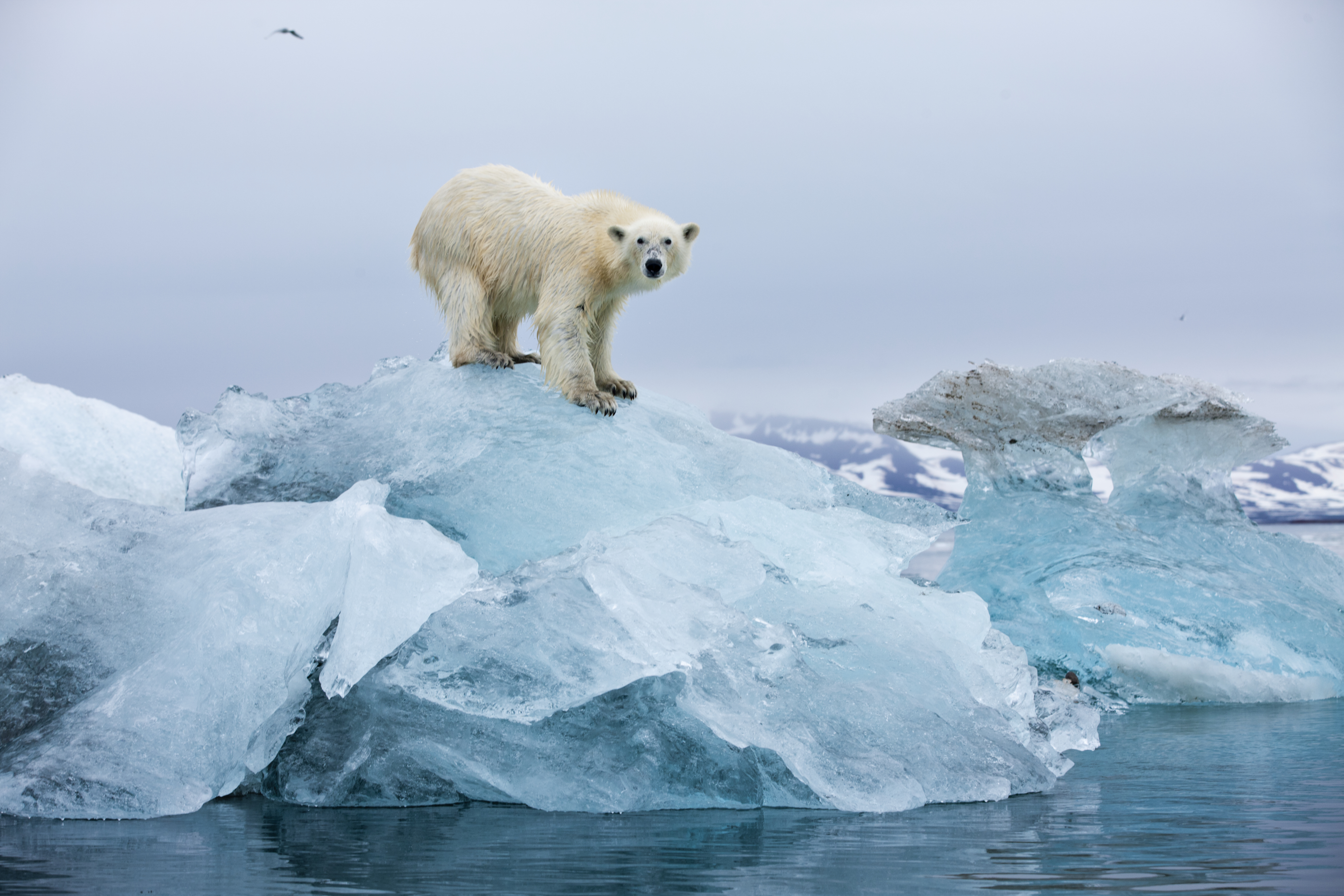
Polar bears and penguins are on Browns “must-see” list for travelling
GETTY IMAGES
What if you won the lottery?
I would travel the entire world. I want to see everything: whales, polar bears, penguins. I get to see the world with work, which is wonderful, but I want to do it when it’s not work and take my family with me. I’d pick a cruise ship and everyone would have their own suite and we would go everywhere.
The most important lesson you’ve learnt about money?
You can’t take it with you. Make sure you enjoy your time on Earth but give to others, to charities and other generations. Live the dream, but don’t hoard it.