
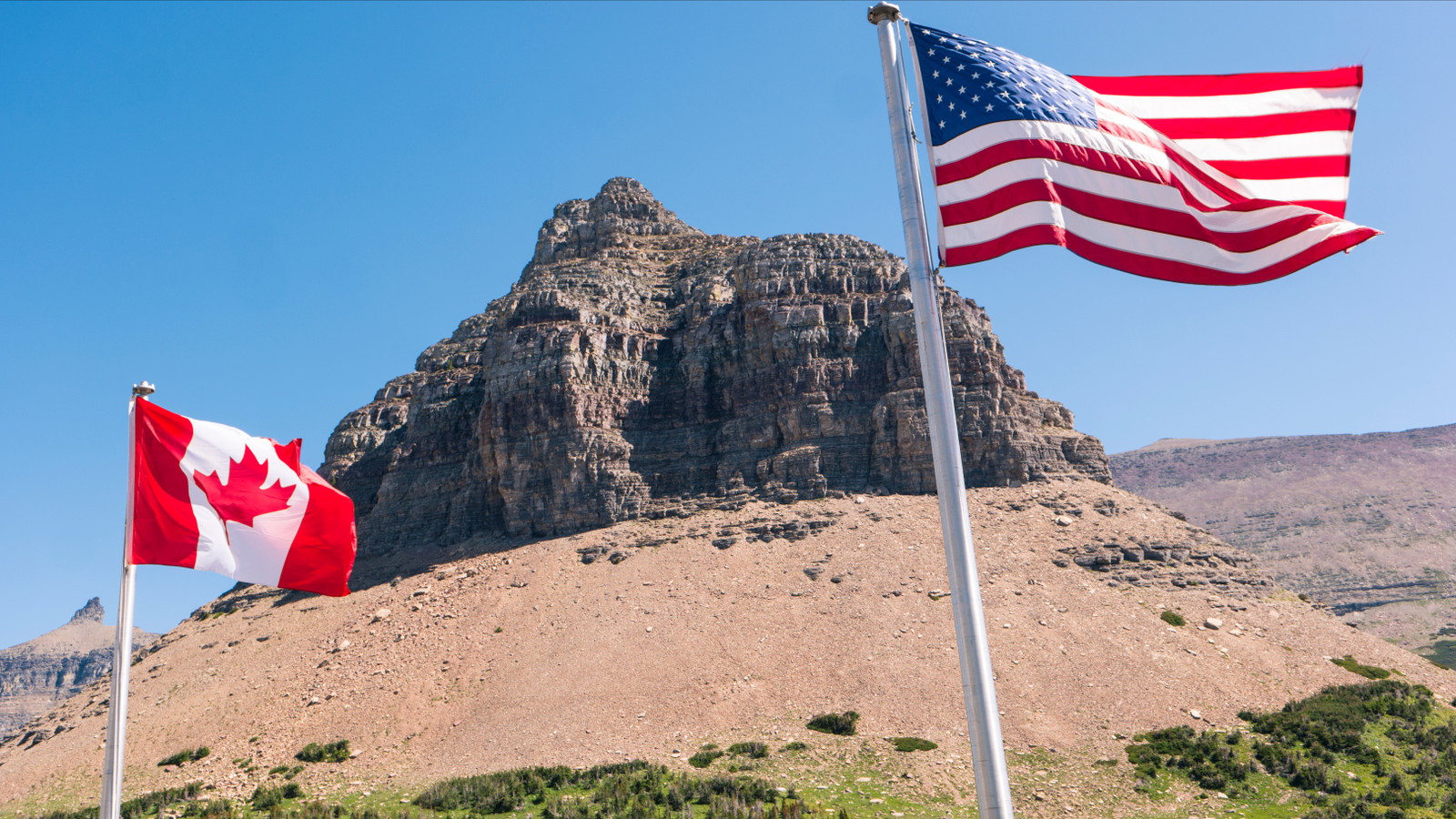
The Canadian boycott of U.S. travel hasn’t slowed down in 2026. Statistics Canada reported that Canadian residents’ return trips from the U.S. were down 24.3% in January 2026 compared to the same period in 2025.
Forbes reports that last year the Canadian boycott cost the American economy $4.5 billion, affecting all sectors, including national parks. In April 2025, Whitefish, a community near Glacier National Park in Montana, saw a 14% decrease in Canadian tourist spending compared to the same period in 2024, according to the National Park Traveler. In addition, the Visa Destinations Insights data reports that Canadian credit card transactions for visas decreased from 3,293 in February 2024 to 2,645 in February 2025.
It now seems that Canada isn’t alone in boycotting U.S. national parks, as two other countries are joining in: the U.K. and Australia. Here is a closer look at what travel agencies are saying, and why international visitors are avoiding U.S. national parks.
U.K. And Australia Join Canada In U.S. National Parks Boycott
Australian and U.K. flagsCredit: Shutterstock
According to Intrepid Travel, a travel agency headquartered in Australia, bookings for U.S. national park tours are currently down 42%. Compared to 2025, Canadian bookings have plunged by 93%, while the U.K. and Australia have also reported significant declines.
Some U.K. travel agencies, such as Cazenove+Loyd, are now canceling plans for tailor-made itineraries centered on U.S. national parks.
“It might not be quite the time to launch something that is dedicated to the States,” Christopher Wilmot-Sitwell, co-owner of Cazenove+Loyd, told CTV News.
This luxury travel agency has already canceled plans for tours in California, Montana, and Washington. So, why are so many people deciding to stay away from the U.S. in 2026?
International Visitors Now Face A $100 Surcharge To Visit U.S.’s 11 Most Popular National Parks
One of the key reasons for the decline in international visitors is likely the high surcharge foreigners now have to pay to visit some of the U.S.’s most popular national parks. In a press release published in late November 2025, the U.S. Department of the Interior announced that the surcharge would be set at $100, with annual passes for international travelers increasing from $80 to $250.
U.S. National Parks Affected By New ID Rule And International Visitor Surcharge
Acadia National Park
Bryce Canyon National Park
Everglades National Park
Glacier National Park
Grand Canyon National Park
Grand Teton National Park
Rocky Mountain National Park
Sequoia & Kings Canyon National Parks
Yellowstone National Park
Yosemite National Park
Zion National Park
This implies that a family of five non-U.S. residents would now have to pay several hundred dollars just to spend a single day in Yellowstone National Park. This is considerably higher than the standard $35 private vehicle entry pass international visitors have been charged in the past few years.
Environmental groups are now urging the U.S. government to halt this rule, claiming it’s negatively affecting visitor numbers. Yet, this is not the only reason why international visitors are staying away from the U.S.
International Visitors Are Avoiding The U.S. Due To Strict Entry Rules And Safety Concerns
Closing boom barrier with CUSTOMS sign against the American flag. Border closure or protective tariffs in the USA. 3D rendering.Credit: via Shutterstock
In 2025, the Trump administration implemented several new measures to enhance border security. For example, U.S. Customs and Border Protection (CBP) now requires all non-U.S. citizens to undergo biometric facial recognition when entering or exiting the country.
In addition, it seems the CBP is searching for travelers’ phones more frequently. The same agency is now proposing a new measure that would require travelers from some countries, including those entering under the ESTA Visa Waiver Program, to provide up to five years of social media history.
Events such as the 2026 FIFA World Cup and America 250 are expected to attract thousands of international visitors, potentially helping the U.S. travel sector mitigate losses.
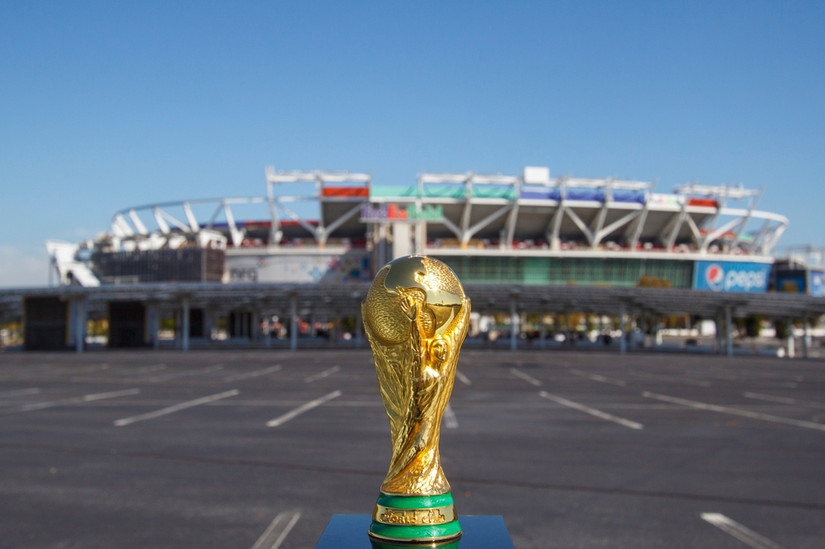
World Cup FIFA on background FedEx Field Stadium, Maryland near Washington DCCredit: Shutterstock
However, Tessa Petit, Executive Director of the Florida Immigrant Coalition, is now urging international travelers to avoid Florida due to the “risk of being kidnapped and jailed until God-knows-when, in deplorable conditions, by a secret police who is using racial profiling, judging people for how they look or their accent, and getting away with literal murder in the streets of our country.”
According to the American Immigration Council, in January 2026, six people died in Immigration and Customs Enforcement (ICE) custody, and the number keeps increasing, raising concerns among locals and foreigners alike.
It remains unclear whether the 2026 FIFA World Cup and America 250 will attract enough tourists to offset the losses caused by the many Canadian, Australian, and British tourists planning to avoid U.S. national parks in 2026.