
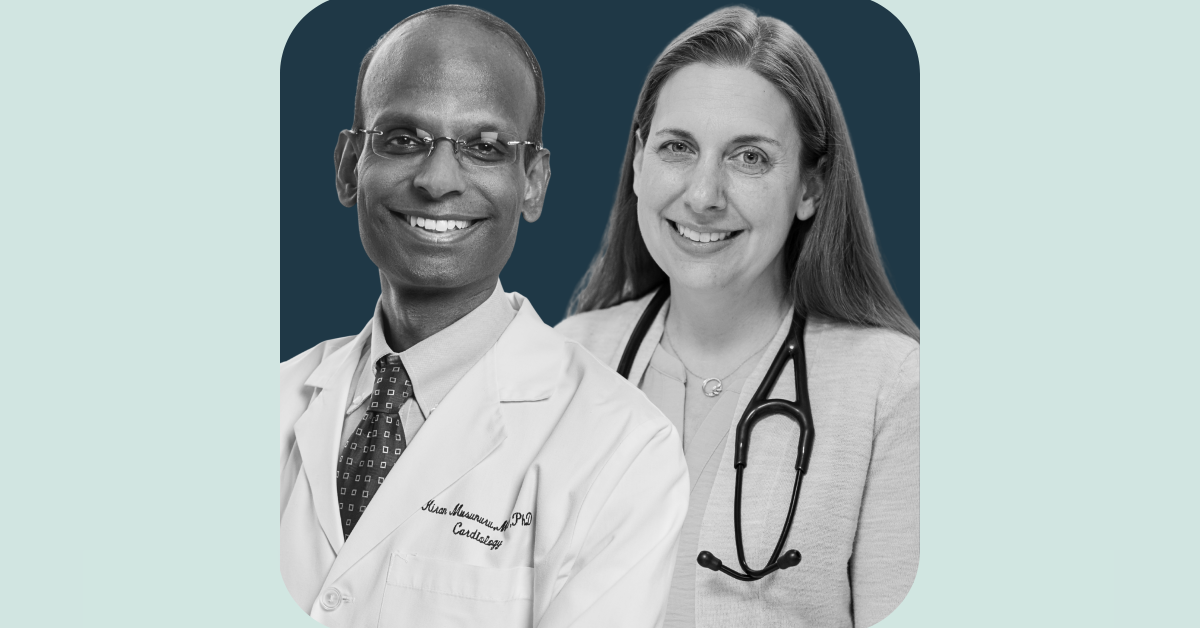
When KJ Muldoon was born in August 2024 with mutations that led to a missing enzyme he needed to process proteins properly, Ahrens-Nicklas knew she had to act fast. Most with his condition need a liver transplant—but they have to live long enough to be able to handle that major surgery. Without the enzyme, KJ’s body built up dangerous levels of ammonia, and the longer this toxic process continued, the more it would affect his development. There was no CRISPR-based treatment for his mutation yet, so Ahrens-Nicklas and Musunuru worked with the team of CRISPR co-discoverer Jennifer Doudna to create a world-first customized gene therapy for KJ.
Trying a new therapy on an infant is risky, and Ahrens-Nicklas rallied the team to push KJ’s therapy through the normal testing process, which starts in animals, to ensure it was safe and likely to help him. At just 6 months old, in early 2025, KJ received the first personalized CRISPR therapy, designed to address his specific mutation, given via three infusions.
KJ has now celebrated his first birthday, and the treatment seems to have spared him from the severe effects of his disease, says Ahrens-Nicklas. The team will continue to monitor his progress.
Beyond KJ’s success, his treatment has spurred Ahrens-Nicklas and Musunuru to work on developing custom therapies for other patients. And Doudna (who received the Nobel Prize for her CRISPR work) is also focused on expanding the applications of her groundbreaking discovery. Last year, she partnered with Priscilla Chan Zuckerberg of the Chan Zuckerberg Initiative to create a new center, housed at the University of California, San Francisco, and the University of California, Berkeley, to bring bespoke gene therapies to more patients like KJ.
“I don’t think it’s exaggerating to say that this is the future of medicine,” says Musunuru.