
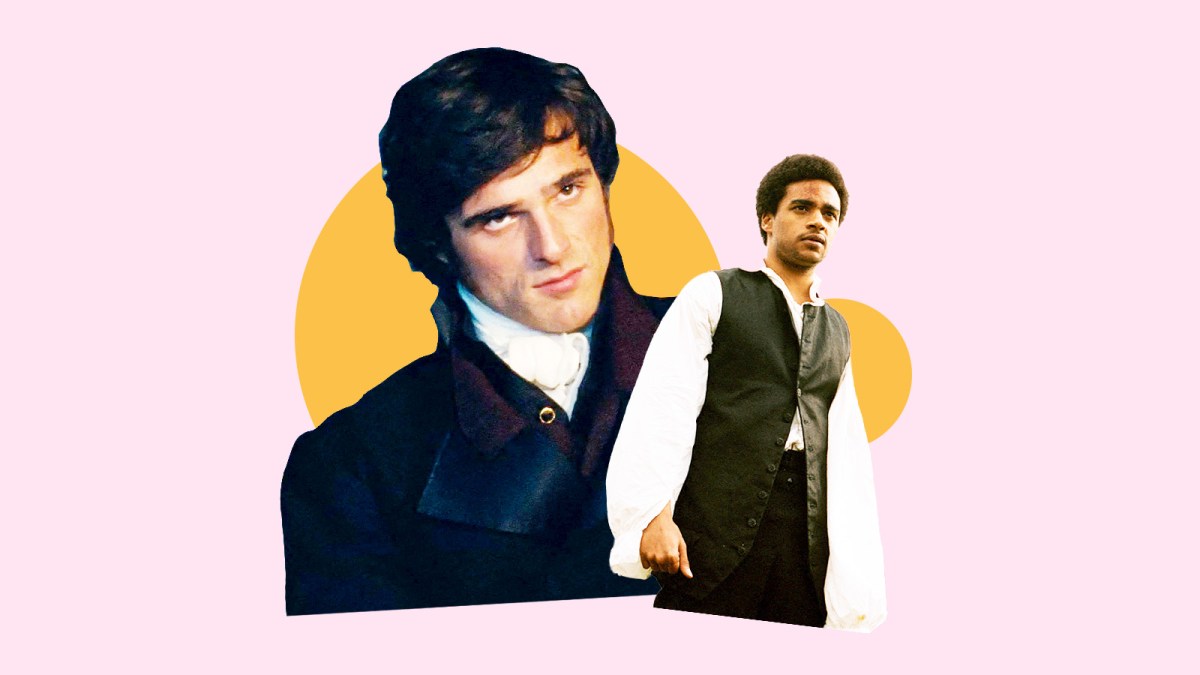
As long as books have been made into films, readers have complained about casting.
Daniel Radcliffe did not have Harry Potter’s green eyes, Tom Cruise was too short to be Jack Reacher, and Renée Zellweger was too American to play Bridget Jones.
For fans of Emily Brontë, the new film of Wuthering Heights, released in UK cinemas on Friday, is no exception.
Gen Z book-lovers have accused the film of whitewashing the character of Heathcliff by casting Jacob Elordi, a white Australian who has also appeared in Saltburn and Frankenstein.
The criticism, aimed at Emerald Fennell, the director, has crystallised on BookTok, the community of influencers and book fans on TikTok.
Young readers have claimed the casting removes undertones of racism in the book, which exacerbated Heathcliff’s outsider status and his perceived unsuitability for Cathy.
Anita Rani, the BBC presenter, who made a documentary last year on the Brontës, posted on Instagram to criticise the casting, saying Heathcliff was “not white”.
“At the time, Britain was at the height of the colonial expansion,” she said. “This tiny island was getting very rich from doing some very dark things around the world.”
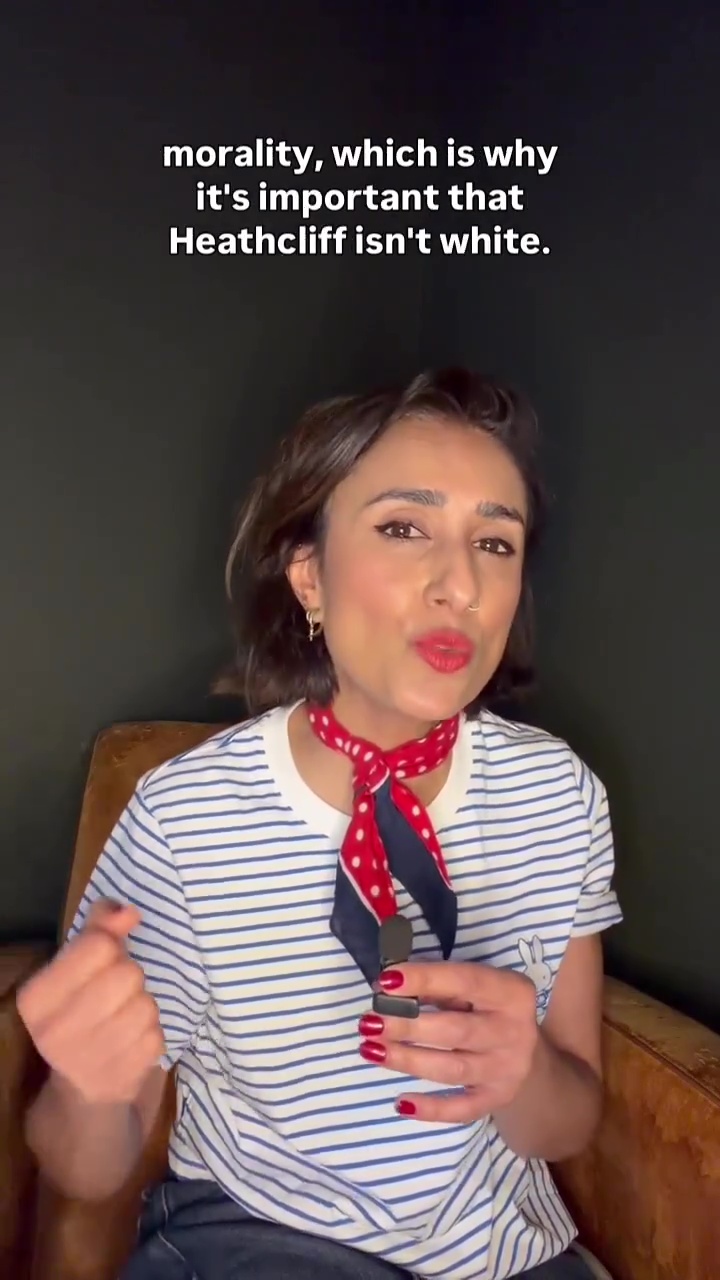
Anita Rani’s social media post
She said the Brontës were “questioning everything, particularly Victorian morality, which is why it’s important that Heathcliff isn’t white”. She added: “It’s on the page, and what it does it changes everything. Think about it.”
In the novel Heathcliff’s ethnicity is ambiguous. He is found on the streets of Liverpool, a city which controlled 80 per cent of the British slave trade at the end of the 18th century, when the story is set.
He is described as a “gypsy” multiple times, “dark-skinned” and “a little Lascar, or an American or Spanish castaway”. A lascar referred to a sailor from India or Southeast Asia.
Heathcliff tells Nelly, the housekeeper, he wished he had the “light hair and fair skin” of Edgar Linton, to which she replies: “Who knows but your father was Emperor of China, and your mother an Indian queen.”
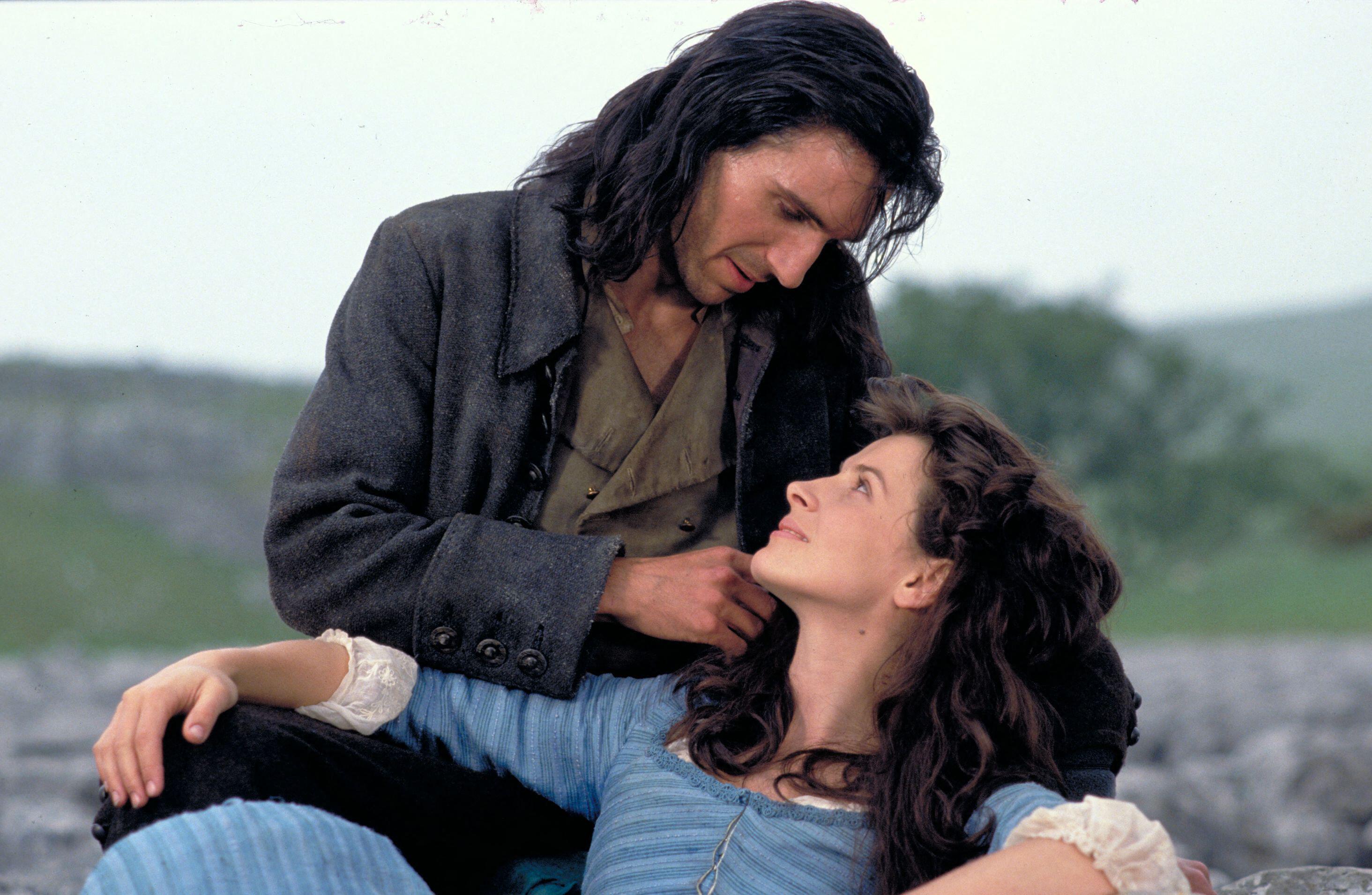
All previous screen adaptations of the novel have cast white actors as Heathcliff, including Tom Hardy and Ralph Fiennes, bar the 2011 film by Andrea Arnold, who cast James Howson.
Lottie Patterson, 34, a social media manager with an English literature degree from London, posted a video after the casting decisions, which received over a million views.
“It’s a book you study around GCSEs and A-level times. It was the thing that pushed me into doing my degree in English,” she said, “There’s a joke online that English literature graduates are going to riot on release day.”
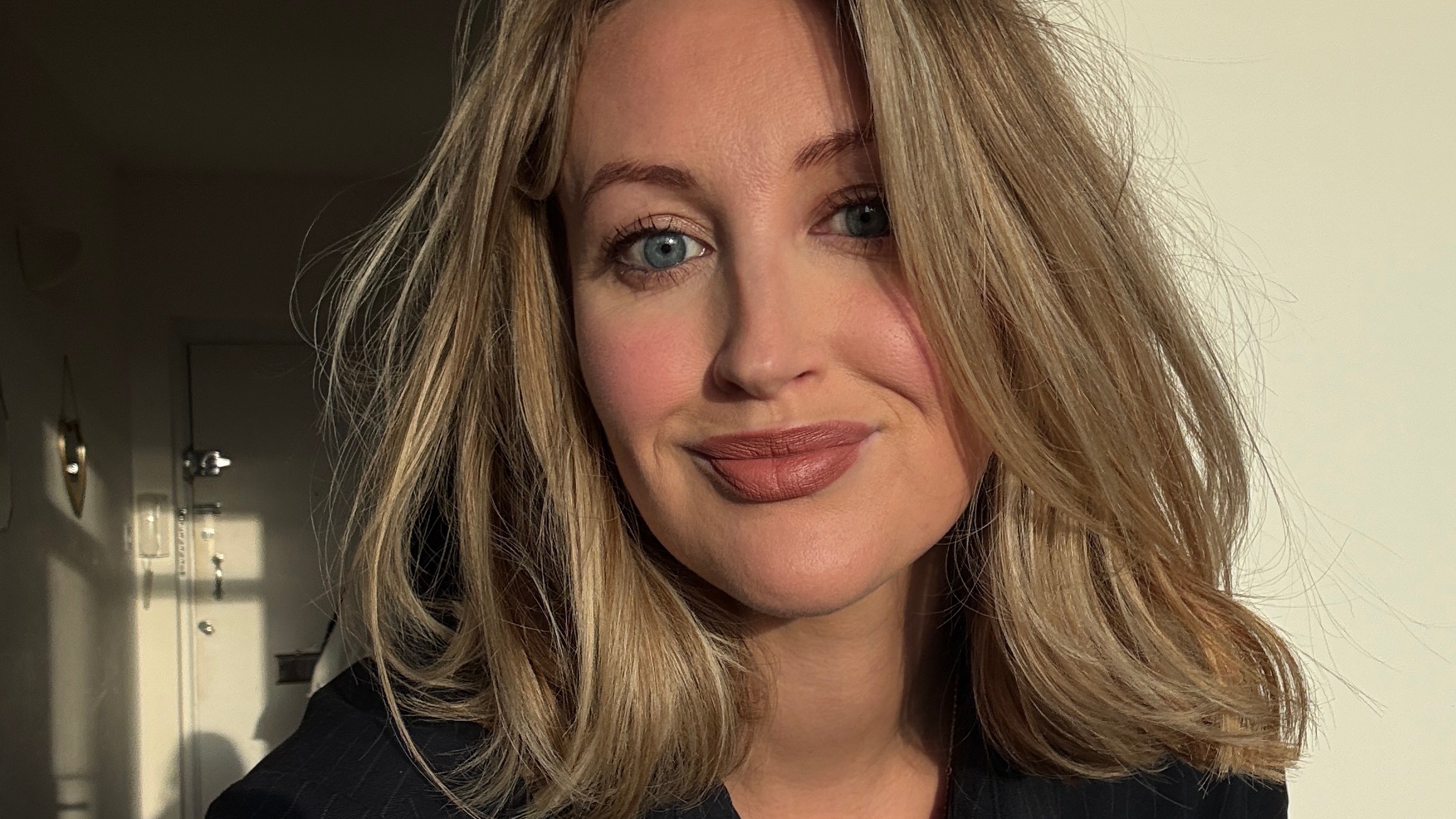
She said omitting the racist undertones from the novel removed some of the “forbidden-ness” of the potential romance.
• Wuthering Heights — by the stars who tried to sex it up before
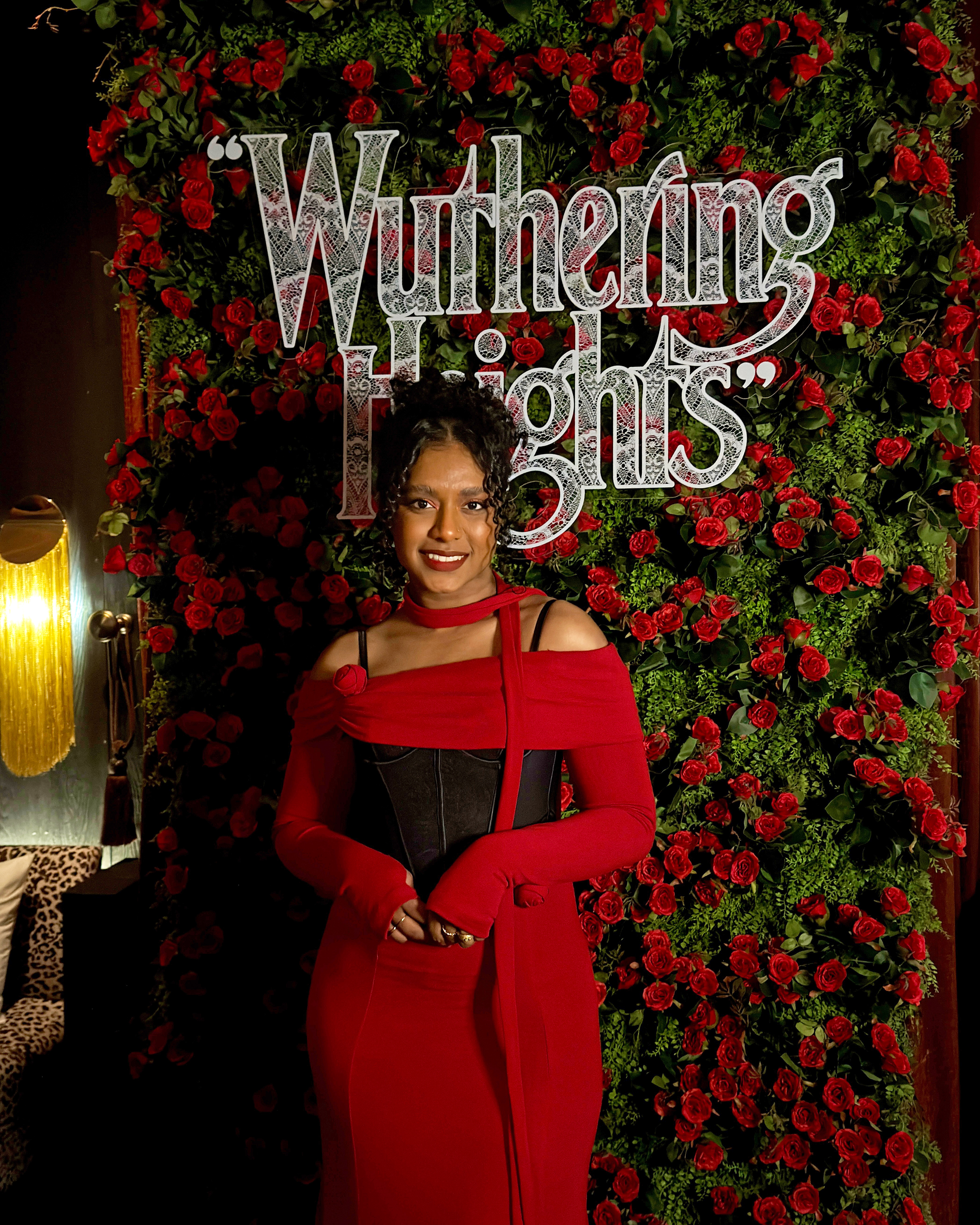
Jananie Velu, 28, an English graduate and BookTok creator in Toronto, Canada, said 80 per cent of her 55,000 followers were “angry and appalled and shocked” at the casting.
“There’s no real societal pressure keeping Cathy and Heathcliff apart in the film,” she said.
“People will bend over backwards to try to say that he’s not black or brown, that he’s Irish or Spanish, because they don’t want to allow a person of colour in this narrative, even though his difference is so integral to the story.”
Simone Siew, 29, a master’s graduate and book influencer from Chicago, said her 31,000 followers are predominantly 20 to 35-year-old women.
“They think that in 2026 we’re too in the future to be ignoring things like race and casting a white man just for sales and for eye candy,” she said.
“She’s so heavily tied herself to the source material, and how much she loves that book, that’s where a lot of the anger is coming from.”
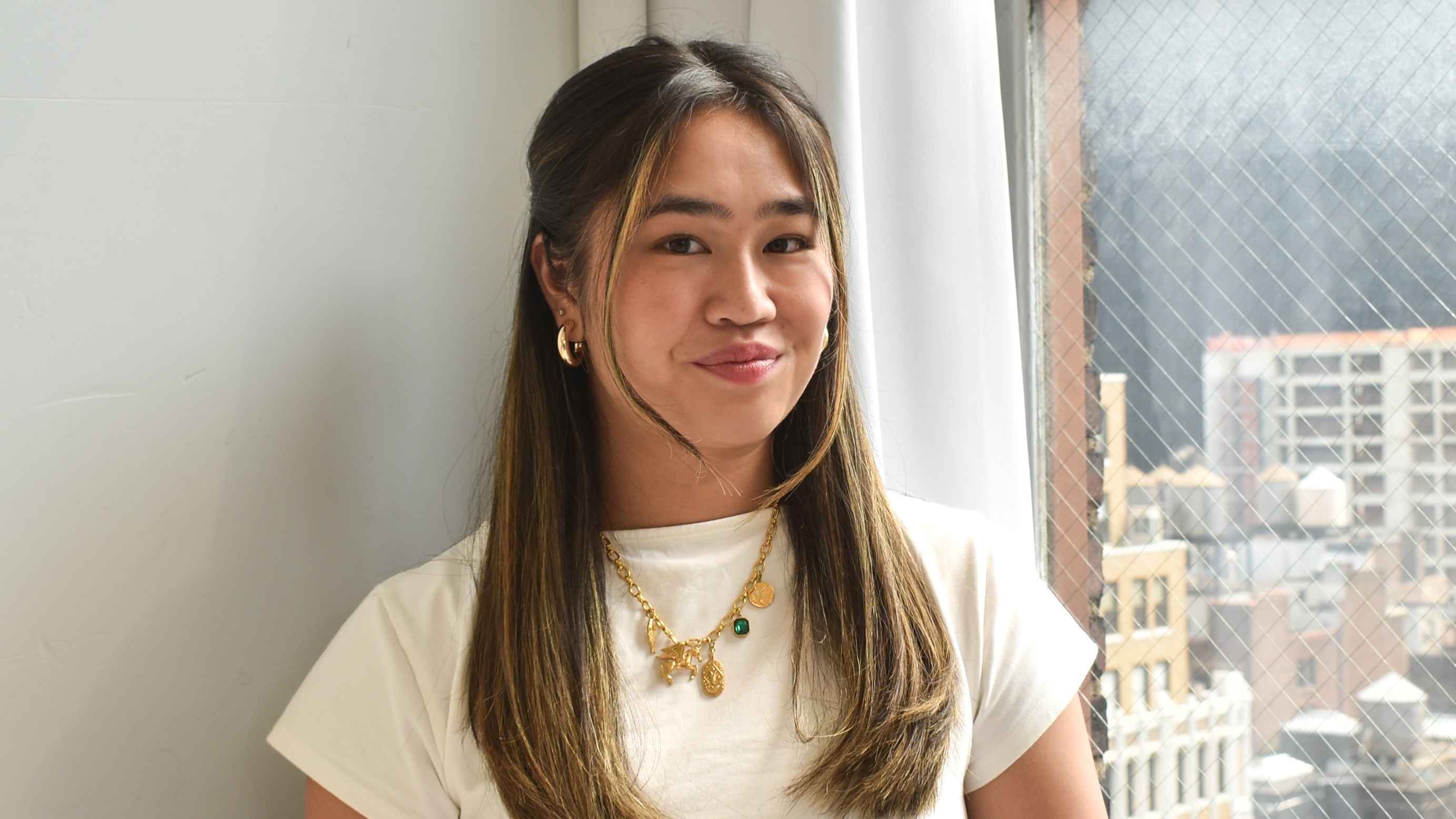
Fennell has described Wuthering Heights as her “favourite book in the world”, which had driven her “mad” since she read it at 14.
She previously said Elordi looked exactly like the illustration of Heathcliff on the first copy she had read. When asked about her casting choice at the Los Angeles premiere, she said: “You can only ever kind of make the movie that you sort of imagined yourself when you read it.”
The film title also has quotation marks around Wuthering Heights to establish it is an interpretation.
Other casting decisions have strayed from the physical descriptions in the book. For example, Edgar Linton who is described as “flaxen” haired and pale, is played by Shazad Latif, who has mixed Pakistani, English and Scottish descent.
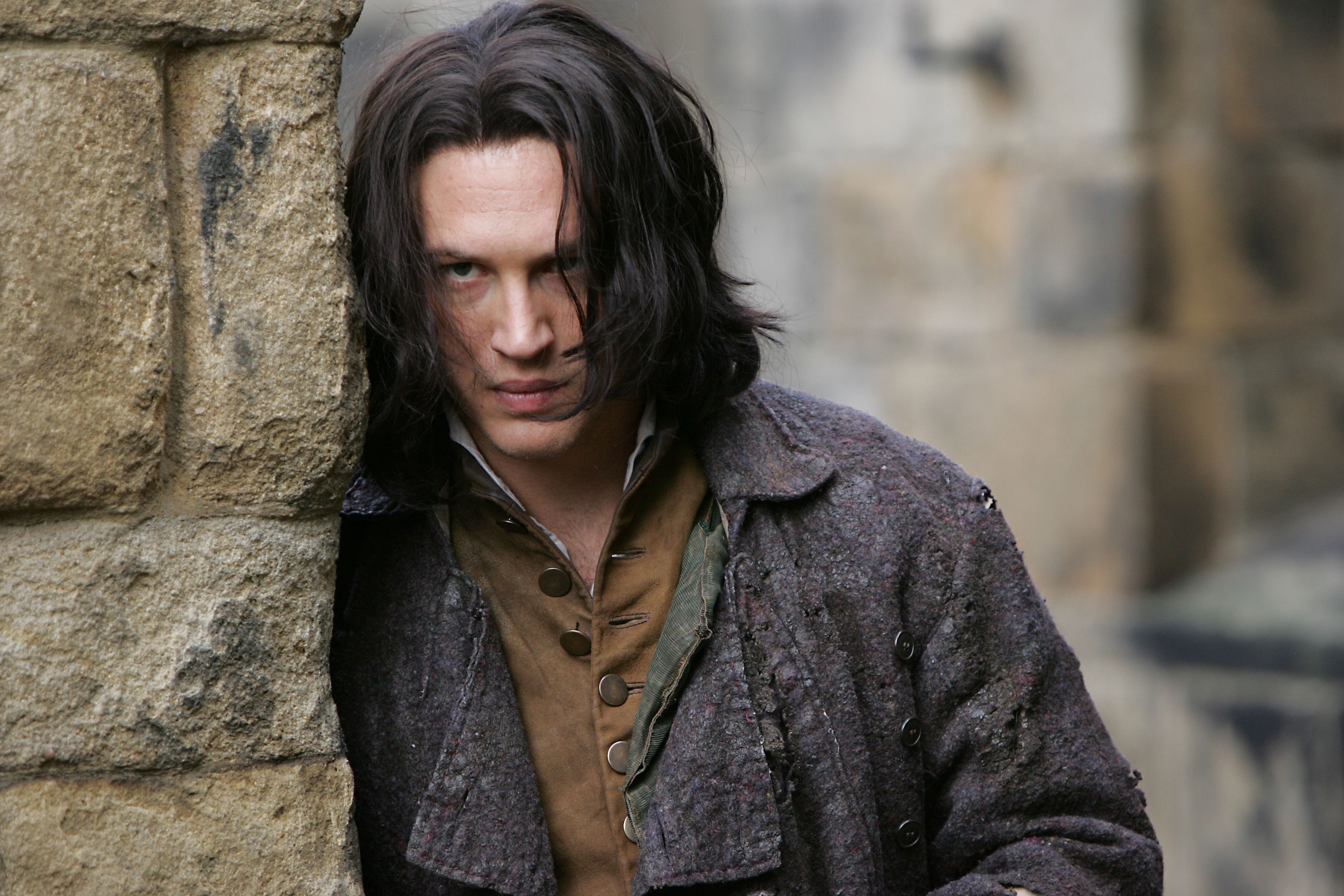
Previous adaptations of Wuthering Heights have featured Tom Hardy, above, and Ralph Fiennes as Heathcliff
SHUTTERSTOCK EDITORIAL
Hong Chau, an American actor with Vietnamese parents, plays Nelly, the housekeeper whose physical appearance is not described very specifically in the novel.
Those commenting in defence of the film, which is produced by and co-stars Margot Robbie, argue that ordinarily, younger, left-leaning audiences support films and television series with colour-blind casting. These cast actors from ethnic minorities in roles previously played by white actors.
• Margot Robbie, Jacob Elordi and the Hollywood ‘showmance’ industry
But Patterson said: “It’s the reverse, isn’t it? It’s because it feels like his race is important and intrinsic to the story. Now is the time to explore that and instead, they just have skirted that opportunity.”
Scholarship on the novel has increasingly considered Heathcliff’s ambiguous ethnicity as a driving force of his treatment by others.
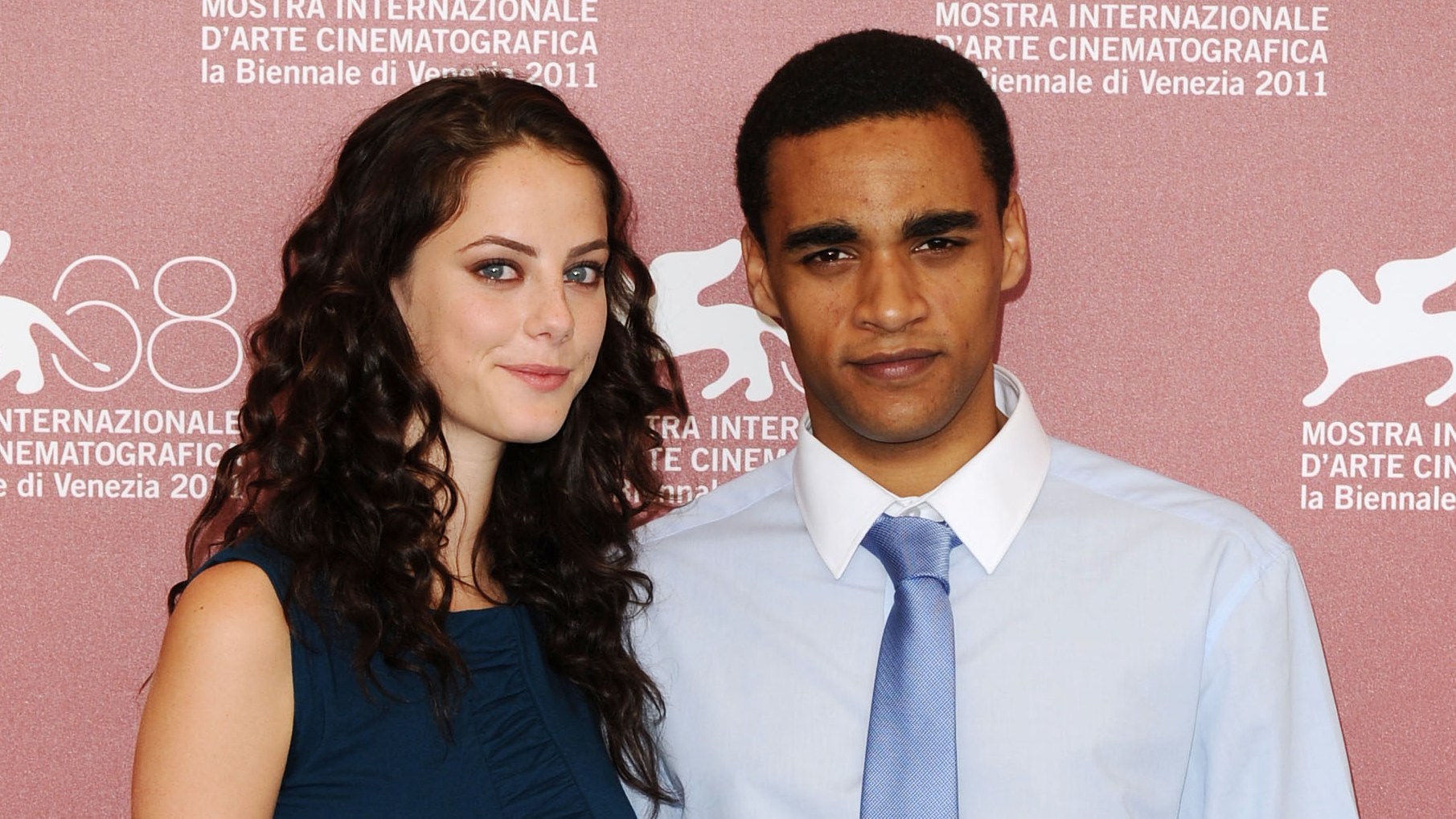
Kaya Scodelario and James Howson starred in the 2011 version of Wuthering Heights
DAVID FISHER/SHUTTERSTOCK
“His outsider role and mistreatment could certainly link to him being a person of colour, but it could also relate to his lower-class status or illegitimacy,” Dr Emma Liggins, from the English department at Manchester Metropolitan University, said.
• Heathcliff! It’s me… Why Jacob Elordi is the hottest man on the planet
She acknowledged Fennell could have been leaning more into the interpretation of Heathcliff as a “lower-class outsider”, but said it was “impossible” to teach the Brontës’ fiction without discussing ethnicity and colonialism.
“Today’s students would rightly be horrified if we didn’t consider Heathcliff’s racial origins and his possible back story,” she said.
Fennell and Warner Brothers were both approached for comment.