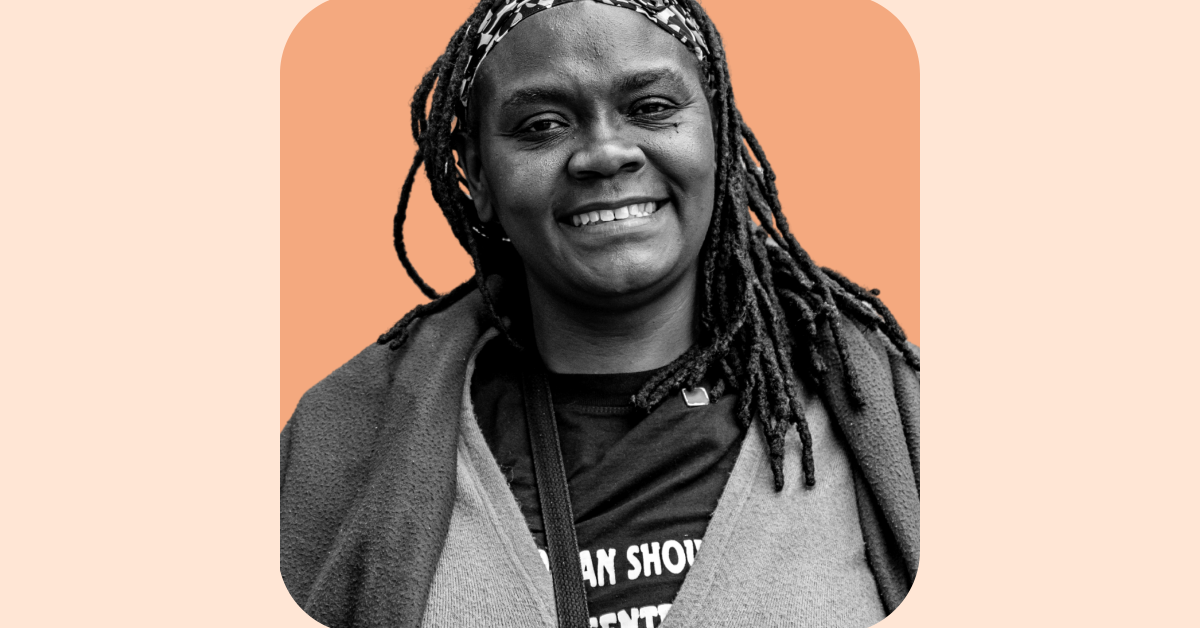
Community health workers across the globe were affected by public health funding cuts by the Trump Administration—in Nigeria alone, for example, 28,000 community health workers had their USAID-paid salaries evaporate. In Kenya, community health worker Josephine Barasa has been mentoring and advising young women in Nairobi on issues related to sexual health and gender violence. There’s plenty of need: Many of the girls she works with have no money for school supplies or period products, and may be pressed into paying for them with sex. In early 2025, however, Barasa’s job disappeared when the funds from USAID paying her salary were eliminated. Barasa, who has formed relationships with girls and their families over the years, felt so strongly that her work was needed that she has continued to show up as a volunteer. “I talk to them about how they can empower themselves, either by starting small income generating activities within their reach,” she says, “or sometimes I link them to organizations which can support them. They have the ability. They can still do something, with whatever they have.”