
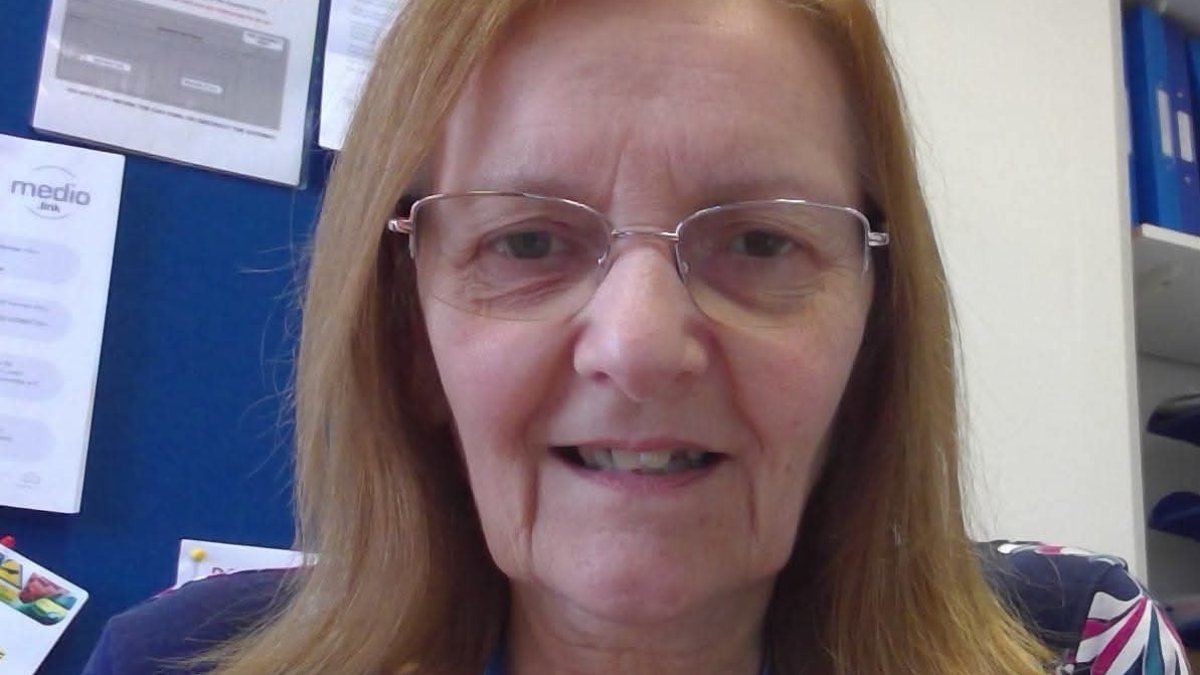
Instead of enjoying her retirement, Lynda Williams finds herself tossing and turning in bed, worrying about the inheritance tax (IHT) nightmare her two sons could get embroiled in once she has gone.
Unused pension savings will be dragged into IHT from 6 April 2027, affecting thousands of families.
The changes, which were announced in the autumn Budget 2024, are the only reason Lynda, 71, says her family could face such a bill, adding she would not describe herself as wealthy.
“The scenarios of what will happen after I’m gone are worrying me and affecting my retirement,” she said. “I am concerned for my sons as I don’t want to leave them saddled with IHT once I’ve gone.”
New FeatureIn ShortQuick Stories. Same trusted journalism.
Lynda, who lives in Bromsgrove, Worcestershire, has two sons, aged 30 and 28. She has lived on her own since her partner died nine years ago.
Her four-bedroom detached home for 26 years has gone up in value from when it was bought in 2000 for £135,000 to roughly between £400,000 and £450,000.
But Lynda says it is not the value which will be the issue, rather the fact that the Government has changed the rules surrounding pensions and IHT.
While previously, unused pension funds had an exemption from IHT, most funds will now form part of an individual’s estate from when the changes come into play from April 2027.
She said: “If they hadn’t made this change, I might still have gone over the allowance, but it wouldn’t have been by as much.
“It is cruel that I am having to spend my retirement worrying about this and it is an unfair tax. I think it is wrong that unused pensions are now going to be included.”
Lynda, who worked for corporate services in the NHS, has retired and is living off her NHS and state pensions.
However, before she worked for the NHS, she worked for a computer company for 17 years and she came out of that with a generous pension fund, which has been invested and has performed well.
“It was a contribution pension scheme I put into and my employer did too,” she said.
“I have been drawing down from that pension fund a little for things like home improvements, but there is still around £175,000 in that pension fund.”
Lynda’s concern is that with the value of her home and her unspent pension, it will now mean her estate will be in IHT territory.
At the moment, the IHT nil band rate, which is the threshold up to which an estate pays zero per cent IHT, is fixed at £325,000 per person until April 2028.
On top of this, there is a residence nil rate band of £175,000, which applies if a home is being left to direct descendants like children or grandchildren. So Lynda’s estate will have a potential allowance of £500,000 before IHT is applied.
But from 6 April 2027, most unused pension funds and death benefits will be included in a person’s estate for IHT purposes, subject to the standard 40 per cent rate if the total estate exceeds tax-free thresholds.
While pensions currently escape IHT, these changes mean beneficiaries could face a 40 per cent charge, plus potential income tax, particularly if the deceased was aged 75 or older.
“I don’t want my sons to have to deal with all this when I am gone. It feels deeply unfair to include unspent pension funds, as you are encouraged to invest for your future and it is money that you have put aside and that your employer has contributed to too.
“I appreciate that it is supposed to be for your retirement. But if you have deliberately not spent that money, like I haven’t, you should be able to pass it on to your children without penalty.
“My intention was that if I didn’t need that pension money during my retirement, it would be there for my sons.
“They are in that age group where they have no chance of affording to buy their own house. They are renting but they can’t save very much money, so they would struggle to save enough for a deposit.
“When they do eventually inherit money from me, that would help them get on the property ladder.”
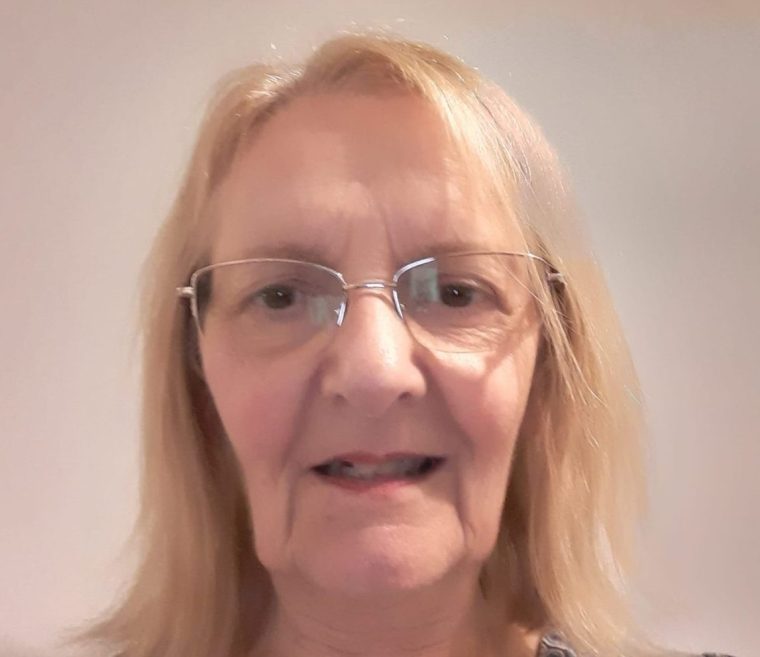 Lynda wants her sons to inherit any unused pension funds so they can get on the property ladder
Lynda says that although she gifts her sons small amounts while she is still alive, she is conscious of keeping within the allowances, as if she were to die within seven years of making a larger cash gift, it would count as part of her estate for IHT.
In the UK, people can gift a total of £3,000 per tax year completely free of IHT, known as the annual exemption.
Larger gifts are fully tax-free if people survive for seven years after giving them. If they die sooner, they are added back to the estate for IHT.
Lynda said: “I did withdraw some money from my pension fund about two years ago and gave my sons £10,000 each. Part of that will count as the £3,000 allowance, but I need to live for another five-and-a-half years, so the rest falls outside of IHT.
“I have used up my 25 per cent tax-free allowance, so whatever I draw from my pension now is taxable.”
Lynda also believes the way IHT is collected is “cruel” as it has to be paid within six months of the person dying.
“It is ridiculous that the tax has to be paid within six months, especially if there is a house to sell. And if you don’t pay it in six months, interest is added to it as well.”
Lynda would like to see IHT abolished altogether, or at the very least, a fairer system applied and for the thresholds to be increased.
“If you have worked hard during your life and have been prudent with your money and saved, I think it is wrong that the Government can just take a big chunk of that money away.
“I could potentially blow the lot on holidays and luxuries, but I would want to pass on any money not needed by me to my sons and to the next generation as well if there are grandchildren further down the line.
“There is no way I would consider myself to be wealthy and my sons definitely are not. So why should people like us be subjected to IHT?
“One of my sons works in recruitment and the other works in digital marketing. It is a tough world for younger people and salaries, job security and getting on the housing ladder are all difficult.”