
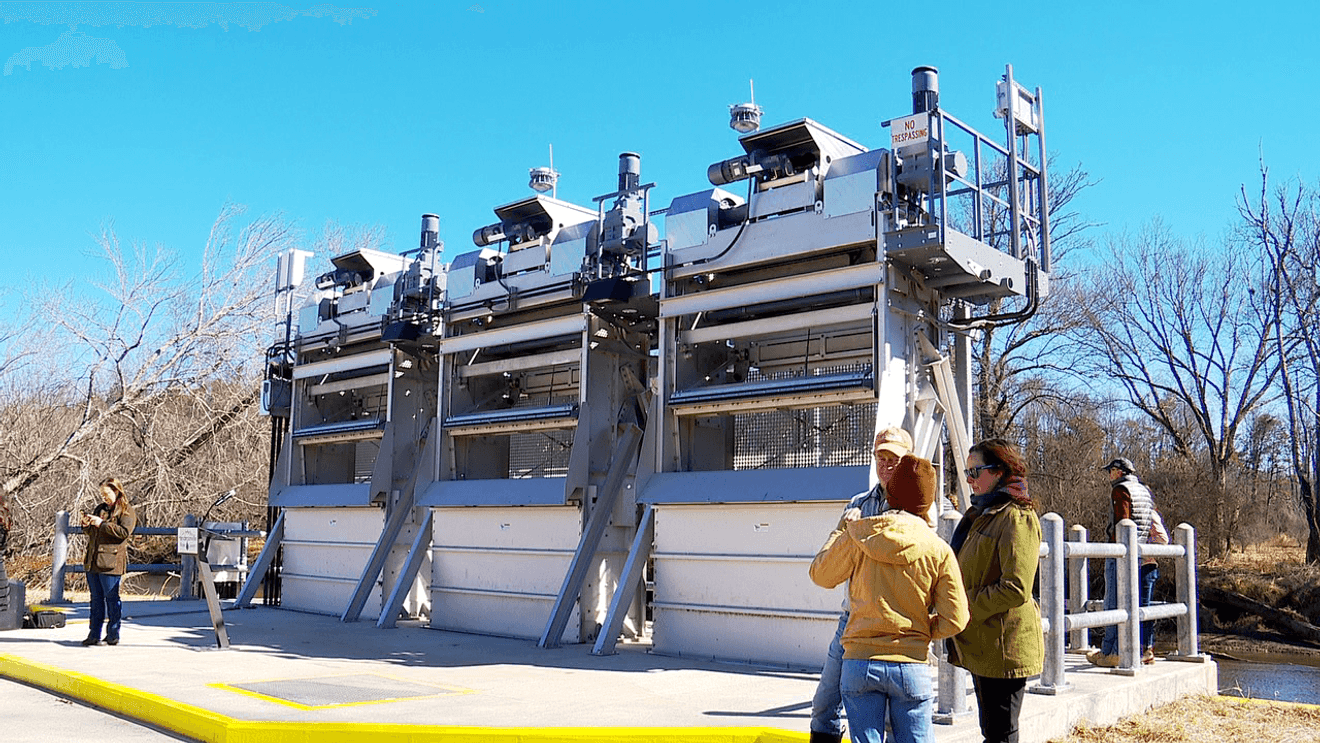
HENDERSON COUNTY, N.C. (WLOS) — Hendersonville Water and Sewage has officially opened its fourth water source, a project years in the making that leaders say will make the system more resilient during drought and extreme weather.
At the new intake station, water flows from the French Broad River into the intake structure before making its way to a treatment facility that serves nearly 80,000 residents in Henderson County.
“Not only does this provide drought resilience, but it does provide additional water supply for the needs of a growing community,” said Utilities Director Adam Steurer.
LESSONS FROM PAST WINTERS GUIDE ASHEVILLE’S WATER DEPARTMENT IN OUTAGE PREPARATION
Steurer said the plant was designed to serve as a reliable source of water during times of drought. Before the project, officials said Hendersonville’s water supply was highly sensitive to dry conditions, leading to residents facing water use restrictions.
“This intake has been in the design and planning stages for decades now, and now that it’s finally completed, our water supply is much less susceptible to drought. Hopefully, we will not have to put our customers under water use restrictions if ever, but much more less frequently moving forward,” Steurer said.
Water flows into the facility from the French Broad River — something local leaders say was not always possible given the river’s history.
CANTON RESCINDS WATER CONSERVATION ORDER AFTER WEEKEND WATER ISSUES
“Historically, the French Broad was a dumping ground. I’ve heard people say they could smell it before they saw it. It was called too thin to plow and too thick to drink. And today we’re putting in a water intake, a drinking water intake for Hendersonville, so we’ve really come a long way,” Anna Alsobrook, French Broad riverkeeper, said.
Following Hurricane Helene, leaders said it is critical to continue investing in infrastructure that can withstand both drought and historic flooding.
“Building infrastructure to supply water and drought conditions, but also having it built to withstand historic flooding that we like we saw during Tropical Storm Helene, you have to build infrastructure to last generations and robustly because it’s really an investment that the community makes in itself,” Steurer said.