
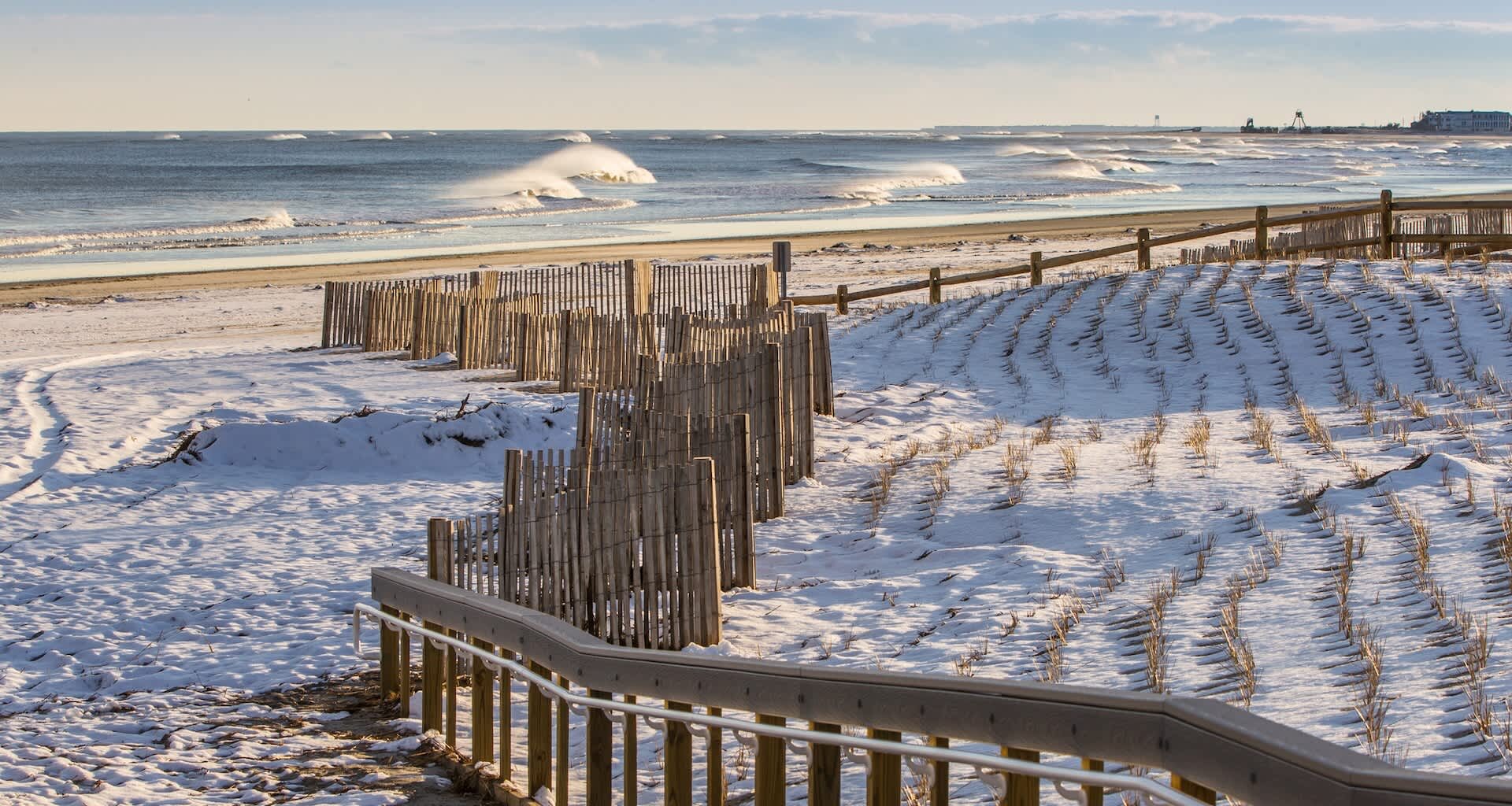
Wildlife across Pennsylvania and New Jersey is paying a devastating price as weeks of cold have pushed local animal populations to the brink.
What’s happening?
In Cape May, New Jersey, the situation for woodcocks has turned catastrophic this winter. One resident began noticing flocks of birds on the side of the road, with some dead and others flying into his car. “I would see a lot of birds that had been hit. I’d never seen anything at that scale,” Steve Frates told The Philadelphia Inquirer.
Only about 5%-10% of the local population has survived a recent prolonged freeze. The issue isn’t just cold temperatures — it’s that snow and ice created a barrier between birds and their food. Woodcocks survive by looking for worms and bugs in the ground, but frozen earth has essentially locked away their food supply.
Other animals are struggling, too. Rehabilitation centers have treated opossums for frostbite, while aquatic birds like grebes have become stranded when ponds freeze over. Even turtles, frogs, and squirrels are being affected as ice blocks access to oxygen or hidden stashes of food.
Beyond cold snaps on the East Coast, extreme weather is harming animal populations elsewhere — from heat waves in Europe and Australia to changing wetland habitats in Wisconsin.
Why is this concerning?
When local wildlife disappears, the effects ripple outward. Woodcock populations can indicate healthy soil. Robins and other birds control pests while dispersing seeds. Opossums are excellent scavengers and help control populations of disease-carrying pests. When these animals vanish, ecosystems that support agriculture and healthy communities also suffer.
The news demonstrates how erratic weather due to human-generated pollution and rising temperatures is becoming more common. Winters are generally milder, but when cold snaps hit, they’re often more severe. Animals evolved for typical winter conditions suddenly face scenarios they aren’t equipped for.
What can we do to help wildlife in extreme weather?
Researchers are studying the dead birds to better understand what’s happening. That work could inform conservation efforts moving forward. Wildlife rescuers are also helping individual animals where they can — but experts urge the public to reconsider helping on their own.
For example, heated birdbaths might seem like a nice gesture, but wet feathers that freeze afterward can kill. “As much as it might sound rude, I always say doing nothing is the best thing that you can do,” said wildlife rehabilitation director Sydney Glisan, per the Inquirer. “I recommend helping by not helping.”
That said, some rescues might need volunteers to help foster animals like opossums. Drivers should also slow down if they spot birds and watch out for any that cross the road, as more will likely be following. Individuals can also support conservation efforts and climate policies that address the underlying causes of rising temperatures and climate shifts.
Get TCD’s free newsletters for easy tips to save more, waste less, and make smarter choices — and earn up to $5,000 toward clean upgrades in TCD’s exclusive Rewards Club.
