
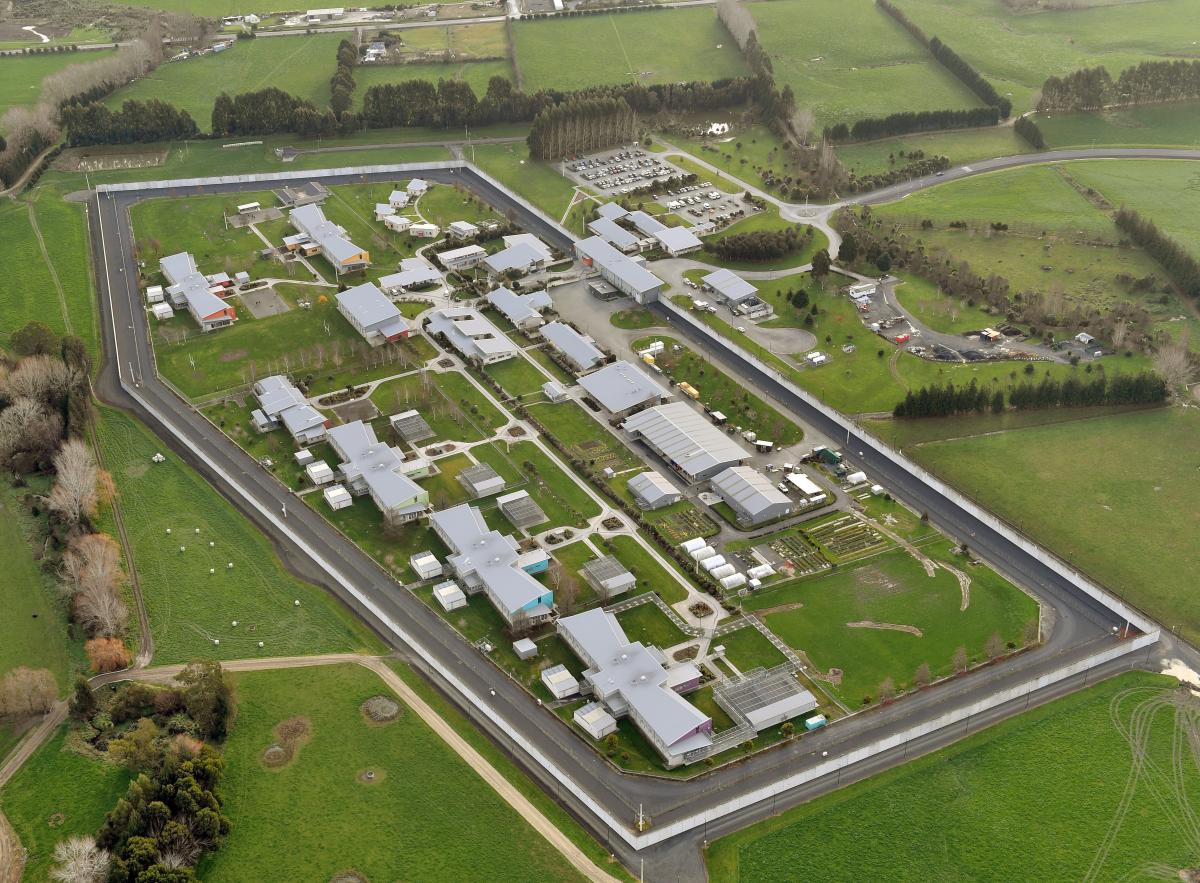
Creative and social programmes for prisoners have fallen by two-thirds following the Covid-19 pandemic, sparking concerns for prisoners’ wellbeing and rehabilitation.
Documents released under the Official Information Act (OIA) show of about 20 constructive activities offered at the Otago Corrections Facility (OCF) near Milton over the past decade, only six remain active.
Opportunities for Otago prisoners to engage in constructive activities such as knitting and drama have dropped sharply in the wake of the outbreak and the withdrawal of external providers.
Lorraine Isaacs QSM, of Dunedin, convened the Milton Men’s Prison Book Club for two years until Covid-19 put a stop to it.
“I think that the fortnightly experience gave the men a glimpse of the outside world which they would be joining when their sentence was completed.
“As did all the other educational experiences which were offered pre-Covid and are now no longer available.
“I’m sure those experiences went some way towards their rehabilitation,” she said.
The decline marks a significant shift from 2019, when the Milburn facility saw a surge in programming with the introduction of about ten new options including a book club, dog rescue partnership and in-person yoga.
Creative outlets such as the Happy You drama programme and a creative writing newsletter collapsed due to provider movement or staff changes.
A partnership with Dog Rescue, which ran from 2019 to 2021 and a Māori art programme were also among the discontinued projects.
Methodist Mission Southern previously ran the Story Reading Dads programme, which ceased in December 2021 due to sustainability issues.
The initiative, which had operated since 2007, allowed men to record personal messages and read books for their children.
Director Laura Black said there was considerable evidence prisons were among the worst tools to reduce recidivism, in New Zealand and internationally.
“In the mission’s experience, there are things that can be done that can help once prison is unavoidable or remand is enforced — treatment for alcohol and drug issues, addressing trauma and other mental health issues, support for literacy and numeracy development particularly with an employment or whānau focus and intensive work with both the paihere and their whānau on the factors that have led to offending — where this is safe to do.
“New Zealand has a high reoffending or re-imprisonment rate at the two-year mark post-release.
“We can and should look to do better than lock ’em up — again and again and again.
“We all wear the consequences of New Zealand’s high imprisonment rates — in further offending and wasted lives.”
Spending billions on building new prisons when, for a very small number of millions, considerably more could be done in preventive engagement was heartbreaking, she said.
In a covering letter released with the information, commissioner of custodial services Leigh Marsh said the primary outcome of constructive activities was to provide prisoners with time out of their cells and ensure they were meaningfully engaged.
Participation in such activities was not a requirement of a person’s sentence and was not considered when determining their eligibility for release, he said.
Current ongoing activities at the facility included self-directed art, Seasons for Growth sessions, which recognise the effects of change and loss, as well as Alcoholics Anonymous meetings.
Mr Marsh said constructive activities were separate from a range of rehabilitation and reintegration services focused on gaining skills for everyday life and employment.
These included offence-focused programmes, educational opportunities, vocational and employment training, health services, mental health and addiction programmes, cultural support services, motivational programmes and intensive residential programmes.
These services supported prisoners to address causes of offending and provide a strong foundation to help establish a positive future, he said.
Case managers worked directly with prisoners to assess their needs and identify specific areas of focus for their time in prison to deliver rehabilitation that reduced reoffending and kept the public safe.