
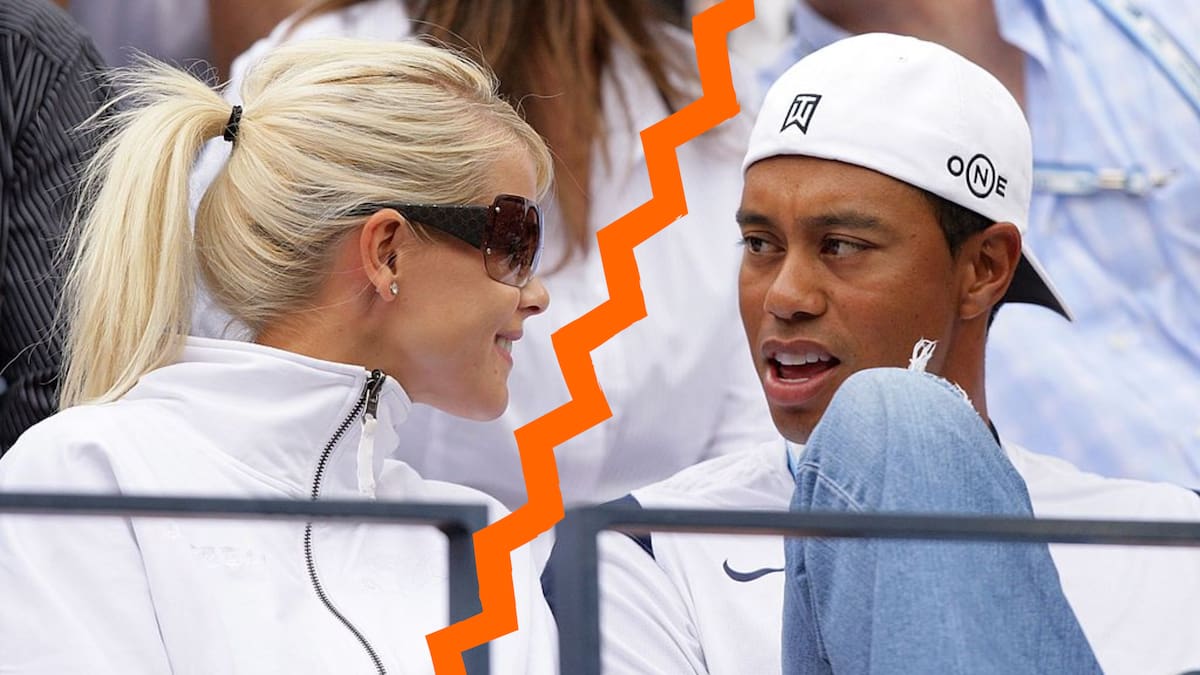
Michael Jordan’s wife of 17-years, and mother to his three children, Juanita, walked away from their divorce with a cool US$168m ($277m) because the couple had not signed a prenup when they married in 1989. Jordan insisted on a prenup with his second wife, Yvette Prieto, who he married in 2013. Prieto, a former model, reportedly receives US$1m ($1.6m) per year of marriage, increasing to US$5m ($8m) annually after 10 years.
Amazon founder Jeff Bezos and his first wife MacKenzie didn’t sign a prenup either. That meant philanthropist MacKenzie became one of the richest people in the world after their divorce, with a reported US$38 billion ($62b) settlement, of which she donated US$26.3b ($43.5b) to charity. Bezos and his second wife, Lauren Sánchez, reportedly signed an “iron-clad” prenuptial agreement before their 2025 marriage to protect his US$200b+ fortune
But the legal arrangement, or lack thereof, isn’t just for the rich and famous.
Stats NZ numbers show 7497 Kiwis were granted a divorce in 2024, a slight decrease from 2023, when 7995 couples legally separated.
And experts say it’s becoming more common for Kiwi marriages to have some form of the legal agreement in place.
Some suggest the increase in demand for prenups is due to one-in-three Kiwis accessing “the bank of mum and dad” to get on the property ladder, and the high cost of housing.
“[Parents] probably don’t want the spouse to get half of that kind of prepaid inheritance as a windfall on the ending of a relationship,” Joanna Pidgeon, director of law firm Pidgeon Judd, previously told the Herald.
“So there might need to be a relationship property agreement recording that a gift essentially remains the property of the child if the relationship ends.”
Family and divorce lawyer Sharon Chandra has spent over a decade working in divorce proceedings in Aotearoa and has seen virtually every situation play out, from infidelity, partners losing their fortunes, and contracting-out agreements and negotiations gone sour.
Chandra previously spoke to the Herald about the common mistakes Kiwi couples make that lead to splits, and how to avoid the biggest mistakes when divorcing.
Now she explains everything Kiwis need to know about prenups, what happens when you need to invoke them, and mistakes to avoid.
Divorce lawyer Sharon Chandra. Photo / Dean Purcell – NZ Herald
What exactly is a prenup?
A prenuptial agreement is a legally binding contract that protects your assets by law in the event that your relationship ends by separation or death.
What can a prenup cover?
This type of contract can cover virtually all of your assets and debts that are owned personally by each spouse or partner.
Who can actually draw up a prenup?
Lawyers must be involved in order for a prenup to be legally binding, as there is a legal requirement that both parties obtain independent legal advice.
This entails each party being advised about their legal entitlement compared to the terms of the prenup, and this requires getting the values of all the assets assessed.
How common are prenups in New Zealand?
In my experience, they are more common for “later in life” style relationships, where people have been married previously and bring assets into a relationship, or they have children from a prior relationship.
Can you get a prenup after you are already married?
Absolutely, you can get one at any time during a relationship.
What happens when you need to invoke your prenup?
It starts by both parties getting on the same page about what assets/debts are in the pool of property and what the prenup says about how they should be divided. This process usually occurs through lawyers.
What are some common mistakes people make with prenups?
Not getting a prenup early enough in the relationship is a common mistake people make.
By the time people realise they want one, the other party’s [legal] entitlements have already arisen, because once you have been living together for at least three years, the law requires you to equally share all the assets you have accumulated in the period you have been living together.
It’s also problematic if one party fails to disclose all their assets, or proper valuations aren’t obtained for all the assets when drawing up a prenup.
To avoid this, it’s important to make sure there is full and transparent disclosure of all assets at the time the prenup is signed. Otherwise, there is always going to be a risk that the prenup will be challenged due to a lack of disclosure.
The other issue is if a couple tries to enter into a prenup themselves without the assistance of lawyers, e.g., using online templates without realising that a prenup is only legally binding if lawyers sign off on it.
Does everyone getting married need some kind of prenup?
Not necessarily. It’s only if you have or expect to receive assets that you want to protect from your spouse or partner that you should think about getting one.
Jenni Mortimer is the New Zealand Herald’s chief lifestyle and entertainment reporter. She started at the Herald in 2017 and has previously worked as lifestyle, entertainment and travel editor.