
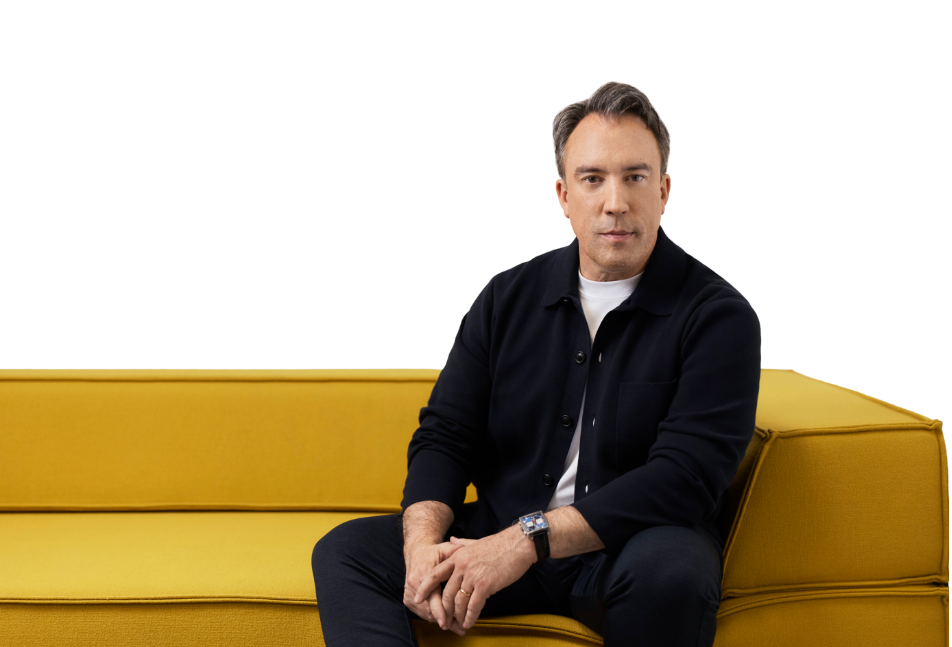
Christian O’Connell may have got a tad more than he bargained for when he put out a call for help yesterday, ahead of his appearance this week at HEARD 2026, the annual audio showcase event in Sydney.
Yesterday, the top rating Breakfast show host – who this year took his show to a national audience on ARN’s Gold Network – posted to LinkedIn and social media:
“RADIO — I need your help. Giving a speech at an Australian radio conference this week. Before I do, I want to hear from you.
Do you still listen to radio? If not, what lost you?
What does radio do that nothing else can?
One piece of advice for stations and presenters — what would you tell them?
Your answers might end up in the speech. Go.”
The response was immediate. And passionate.

Among the first to reply was veteran journalist and footy commentator Rohan Connolly.
Does Connolly still listen to radio?
“Barely. What lost me? Inane content which insults the intelligence of the audience, rank populism and beating down on minorities to appeal to fear and bigotry, and the insane ‘celebritification’ of the airwaves, thus restricting talent to (a) former sportsmen (b) mediocre stand-up comedians and (c) former reality TV show contestants.”
Connolly says radio covers live news and events and elicits reaction in real time, like nothing else can.
“When it’s big enough and done well, it’s gripping and takes the listener to the action.”
Connolly’s advice? “Get a f***** clue. We’re not all shallow idiots whose culture consumption consists of MAFS. We’re not all angry old right wing nut jobs. And we don’t need another ‘hilarious’ brekky combo called something like ‘Shags, Donger & Big Balls’.”
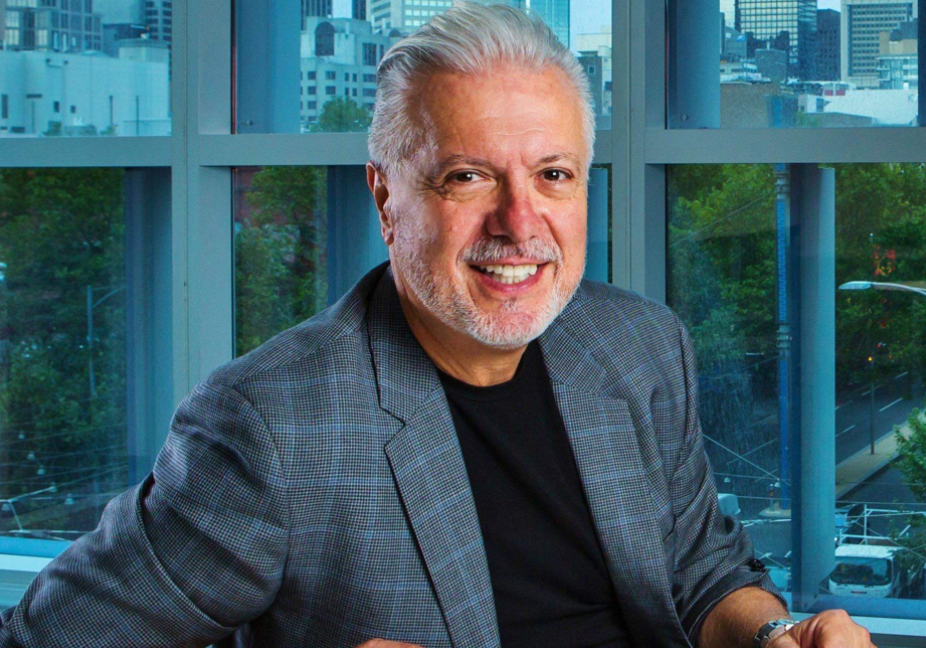
Australian radio and TV legend George Donikian said “I think radio is more important than ever! Especially talk radio and what it needs is time to speak and LISTEN.”
“Churning through ads to get to the next call isn’t the way forward. Ads have to be better too.”
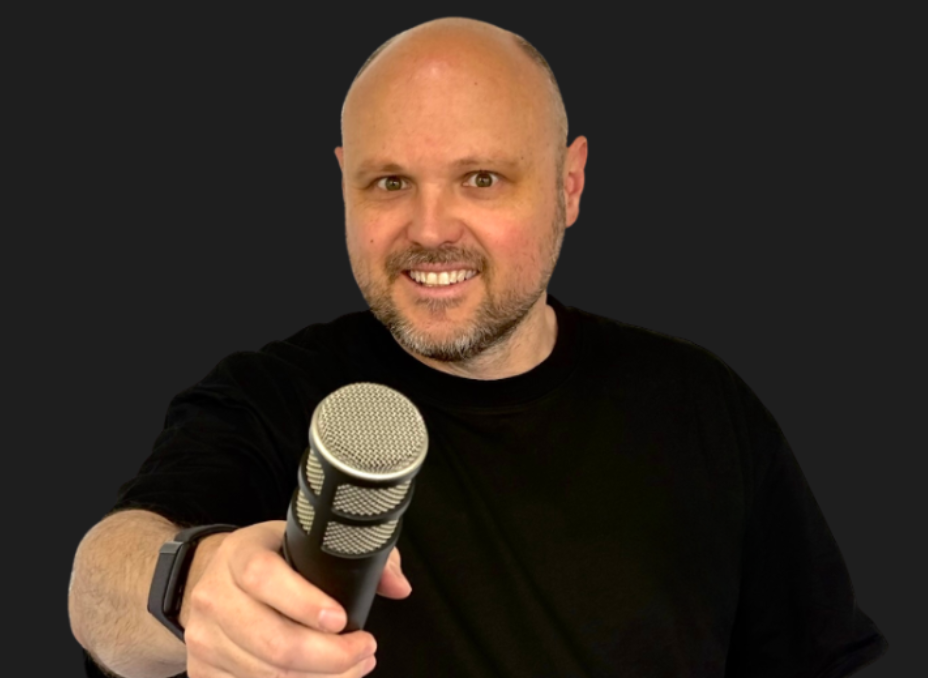
For Wade Kingsley – media executive and host of The Quarter Hour podcast – radio wins when it seizes the moment.
“I don’t just mean in the Jacob Elordi/Margot Robbie moments,” Kingsley says.
“I mean in moments like what happened in Bondi. Not just for breaking news but for emotional and raw reaction. As evident by your arrival in the Harbour City that weekend.”
“The most powerful thing you can do, Christian O’Connell, is tell that story from your own experience.”
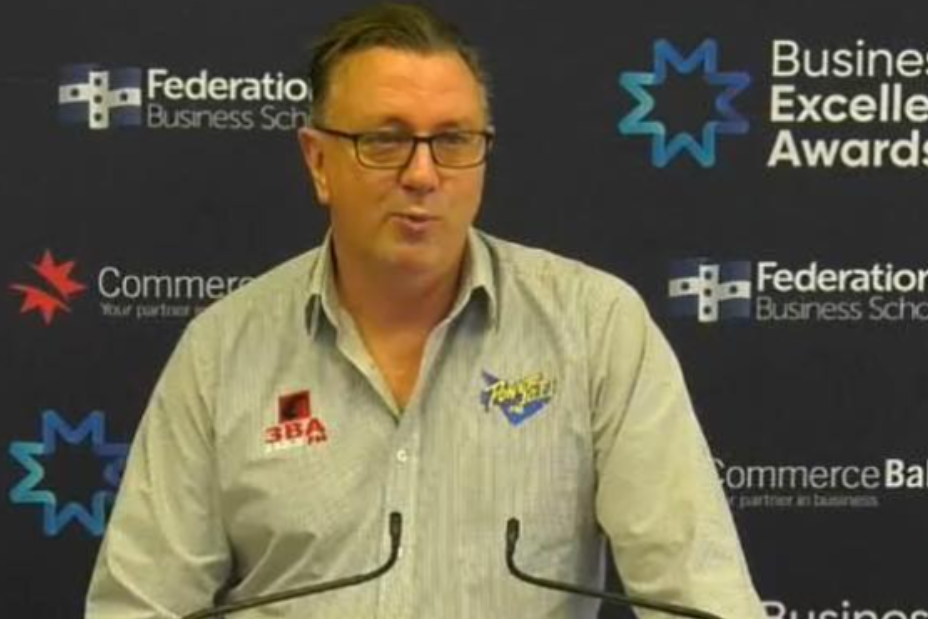
ARN Ballarat General Manager John Fitzgibbon said “Speak to me, not at me.”
“Share with me, don’t tell me.”
“Tell me a story, don’t preach to me.”
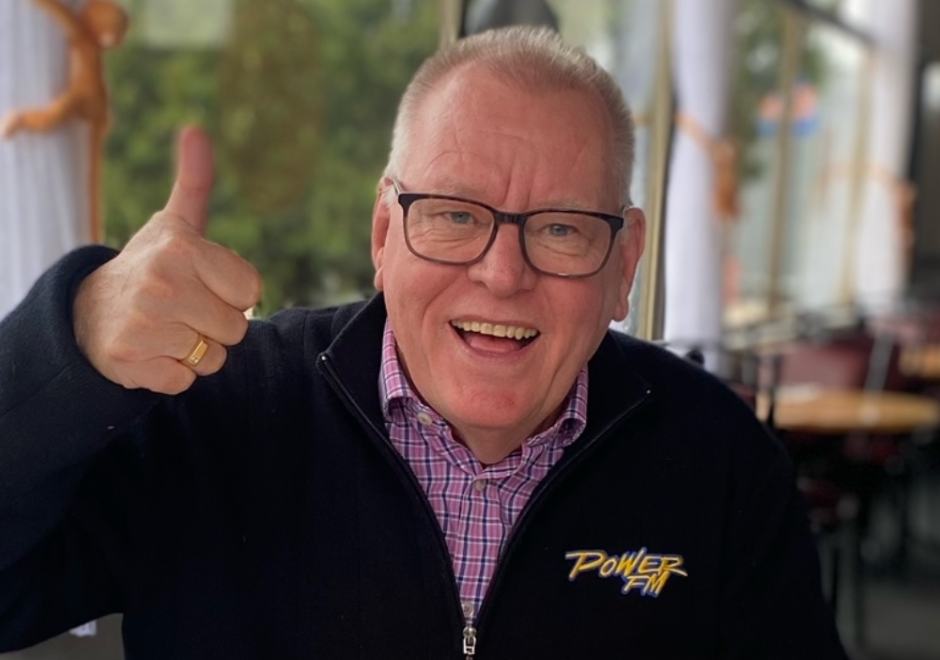
Recently retired ARN Sales Executive Brian Wybrow said “I enjoy listening (to radio) but I do find it irritating when announcers bang on without reason. Keep it simple.”
“I’ve always said ‘entertain me give me a reason to come back.’”
Wybrow suggests becoming a professional friend, not a professional visitor.
“I think your success has been people see you as a friend. All the successful announcers I have worked with over the years have a strong connection with their audience.”
“Radio is a fantastic medium. It can make you laugh and it can make you cry. Announcers must understand their audience.”
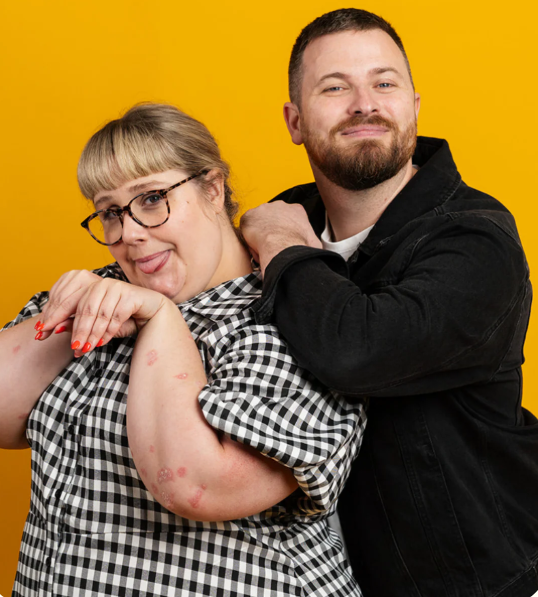
Ryan Jon Dunn – digital content creator and co-host of the wildly successful Toni & Ryan podcast – offered two pieces of advice. (1) Listen to your audience and (2) Fewer ads.
“Many years ago my PD came in with some listener research. Number one dislike: Too many ads.”
“They laughed and said, ‘Every year they say that,’ and skipped to the next dot point.”
“Years later I was doing a strategy class as part of my MBA and told my lecturer this story. She was dumbfounded. ‘Why would you ask your users anything if you’re going to ignore the answer?’”
“If your industry is in decline and year after year your users are telling you why, has anyone considered actually listening and trying something different?”
Elsewhere in the thread came the suggestion that radio has to be ‘live and local,’ to which O’Connell responded:
“I don’t think it does.”
“I think choice matters. The local radio scene and the national platforms can exist together. What’s more important is the depth of connection on offer, not postcodes.”
Images: Instagram and supplied.