
“And it’s a signal of confidence in New Zealand and in investment in New Zealand, because every one of those dollars will be spent here building critical infrastructure.
“The equity raise itself is a signal of confidence in New Zealand and New Zealand’s renewable energy sector.”
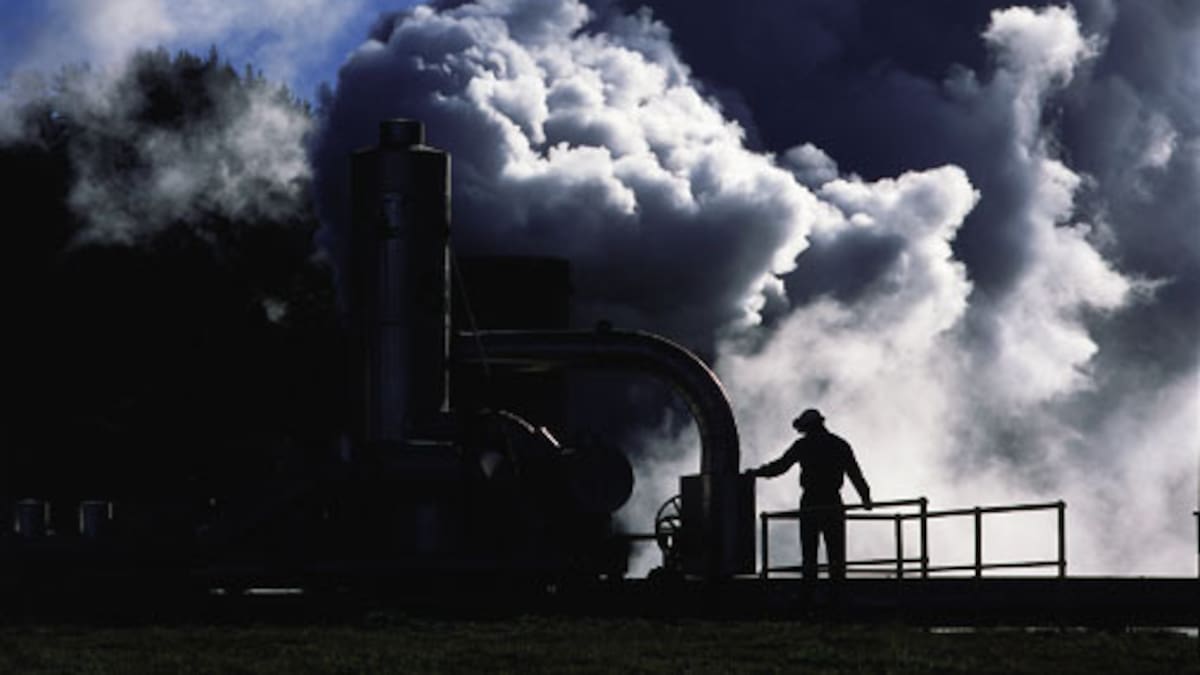
Contact Energy chief executive Mike Fuge says the company is committed to investing in new renewable energy generation. Photo/Supplied
Capital raisings among the power companies have been a possibility since late last year when the Government said it would take part in future fundraising events among its three 51% owned firms – Genesis, Mercury and Meridian.
Of the three, market analysts see Genesis, which reports its first-half profit on February 23, as being the most likely candidate for a capital raise.
The electricity sector came under the spotlight in the winter of 2024 when dry conditions and a gas shortage drove wholesale prices to $820 per megawatt hour (MWh), against a winter average of about $160/MWh.
At the time, part of the problem was put down to a lack of investment in new projects from the big generators.
Salt Funds managing director Matt Goodson said the Contact result was “fine” but the capital raise came as a surprise.
“But look, there’s reasonable interest in it, and I’m sure it will go just fine.
“If everyone today went ahead with all of their generation plans then there would be huge oversupply but, of course, not everyone is going to do that, so it’s just a question of the ordering of them.
“They probably did not have to do it [raise capital] – they could have done it on their balance sheet – but they have opted for a degree of conservatism around their capital structure,” Goodson said.
Fuge said Contact’s fundraiser was not motivated by being the first cab off the rank to raise funds.
He said the exercise was aimed at expediting the company’s “Contact31″ strategy “and going at that with purpose”.
Fuge said Contact31 was designed to drive growth in renewable energy transition through to 2031.
The funds would cover Contact’s investment in a new 200MW battery, Glenbrook battery 2.0 and a 150MW solar farm joint venture at Glorit, near Auckland.
The capital raise would also fund drilling on Tauhara 2 geothermal to advance steamfield development and to explore upsizing the target capacity to 60-70MW from 50MW.
Contact last year bought the smaller power generator, Manawa, putting it in the No 2 generator spot behind Meridian.
Fuge said the result showed the company had “landed the synergies” with Manawa and that the acquisition had gone “extraordinarily well”.
Chief financial officer Matt Forbes said new projects would help customers get off gas supply from New Zealand’s rapidly declining indigenous gas reserves and on to electricity.
“We have a very ambitious growth agenda over the next five years worth $2 billion to $2.5b and we are looking to see if we can bring any other projects into that plan with the support of this equity rise,” he said.
Fuge said Contact’s future investment in renewables would be across the full range of wind, geothermal and solar.
“There is a wide range of renewable energy development options and we’re very confident that we can build into this new electricity demand as it comes online.”
The company had resolved its issues with the Forest and Bird Society, which initially opposed the solar farm at Glorit.
Last March, an expert consenting panel convened over fast-track legislation declined Contact’s Southland Wind Farm project.
Fuge said the panel had received all the evidence and Contact was expecting a decision in late March or early April.
In wind power development, he said Contact would soon start an international search to find a joint venture partner in much the same way as it had done teaming up with LightSource BP for solar projects.
Fuge welcomed the Government’s plan to install a liquefied natural gas facility at Port Taranaki.
“We see that as being another string in the bow of bringing resilience to the energy sector and I think that concept of resilience, given the [storm] events of the last 24 hours, is even more important than ever,” he said.
Results guidance
In its result, the better first half increased Contact’s normalised 2026 ebitdaf guidance by $15m to $995m after the Manawa transaction and integration costs.
Contact said the improved operating result was driven by a significant lift in renewable generation, with output being 97% renewable in the half.
This reflected the addition of the Manawa hydro assets and its contracted power purchase agreements for wind and geothermal totalling 1.3 terawatt hours “with a full period of generation at Contact’s new Te Huka 3 geothermal plant”.
Contact set its dividend at 16c per share (cps), imputed to 56% or 9cps for qualifying shareholders.
In its dividend outlook, the company reaffirmed its expectation to lift the total dividend in the 2026 financial year to 40cps and between 41 and 42cps in 2027.
Jamie Gray is an Auckland-based journalist, covering the financial markets and the primary sector. He joined the Herald in 2011.
Stay ahead with the latest market moves, corporate updates, and economic insights by subscribing to our Business newsletter – your essential weekly round-up of all the business news you need.