
NEED TO KNOW
A sleeper shark has been spotted in the frigid waters surrounding Antarctica for the first time
The sleeper shark was recorded at a depth of about 1608 feet in 34°F waters
Of the estimated 500 shark species, only five have been recorded in the Southern Ocean around Antarctica
Scientists have recorded a rare sighting of a shark in Antarctic waters.
Jessica Kolbusz — an oceanographer at the Minderoo-University of Western Australia Deep-Sea Research Center — spotted an unidentified species of sleeper shark swimming slowly through the Southern Ocean off the South Shetland Islands, near Antarctica, per the Australian Broadcasting Corporation.
Shark sightings so far south are incredibly rare because of the frigid water temperature, per the outlet; only five of the estimated 500 shark species have been recorded in the Southern Ocean to date. The sleeper shark Kolbusz spotted was spotted in 1.27°C waters, or about 34°F.
“It was surprising since this is the first footage obtained of a somniosidae [sleeper shark] or any elasmobranch [shark or ray] in the Southern Ocean,” Kolbusz said, per ABC.
The sleeper shark, spotted 490 meters (about 1608 feet) below the ocean surface, slowly moved into view before darting away in the footage.
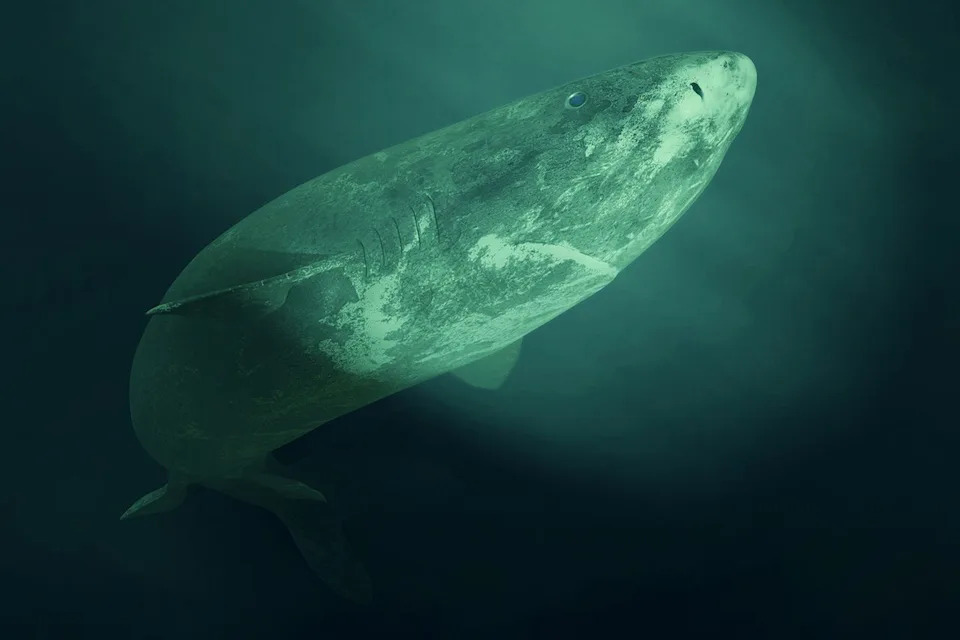
Kolbusz said the precise species of sleeper shark couldn’t be determined from the video because different species are very similar in appearance. However, she collected water samples for later DNA testing.
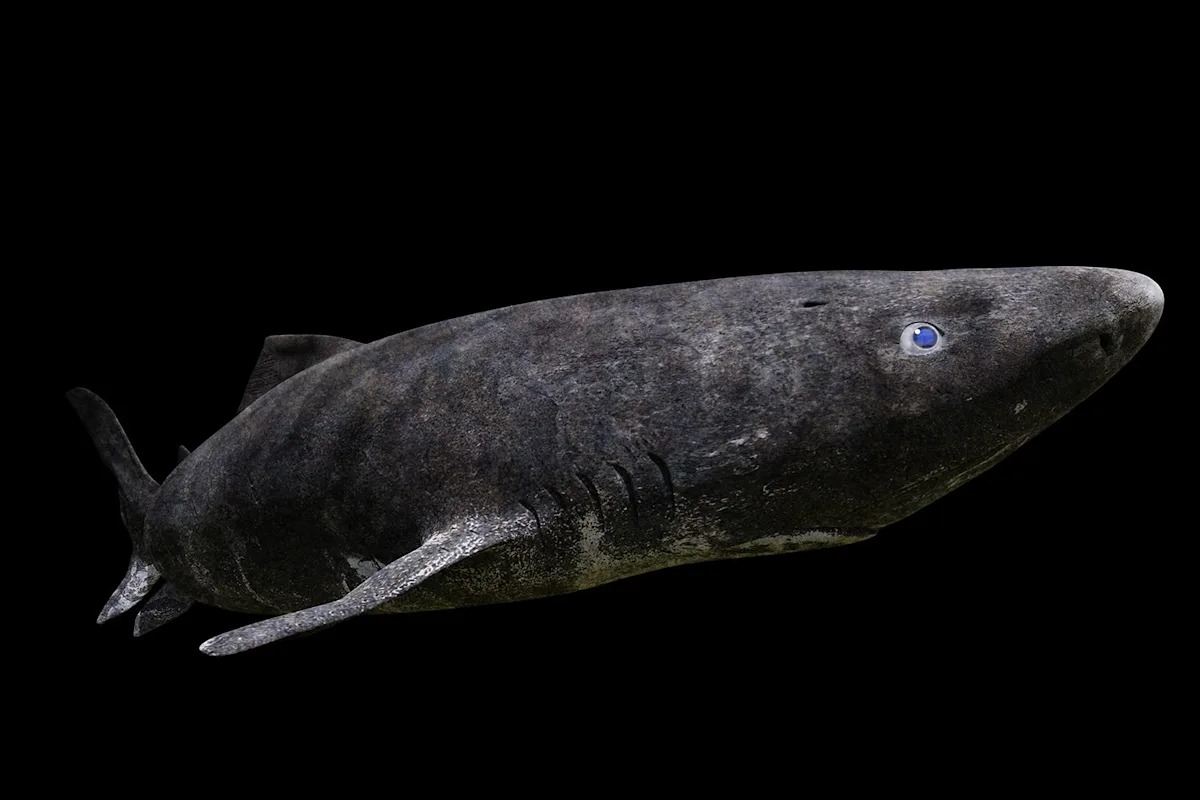
Sleeper sharks are distinguished by their mottled skin and small fins, per ABC, and include the Greenland sleeper shark (which can live for hundreds of years), the Pacific sleeper shark, and the Southern sleeper shark, all of which bear many physical similarities.
Never miss a story — sign up for PEOPLE’s free daily newsletter to stay up-to-date on the best of what PEOPLE has to offer, from celebrity news to compelling human interest stories.
Kolbusz witnessed another sleeper shark sighting in early 2025, this time in the Tonga Trench in the southwest Pacific Ocean. The shark, also caught on video, was seen chomping on the bait attached to the camera, which allowed scientists a close look inside its mouth. This shark was filmed at a depth of 1400 meters (about 4593 feet) in 2.5°C (36.5 °F) waters.
Read the original article on People