
 Credit: Wikimedia Commons
You’ll find glossy packets of hair extensions in most beauty supply stores. They promise a new look for a few dollars, but behind the glitter, scientists have found a cocktail of industrial chemicals linked to cancer, hormone disruption, and reproductive harm.
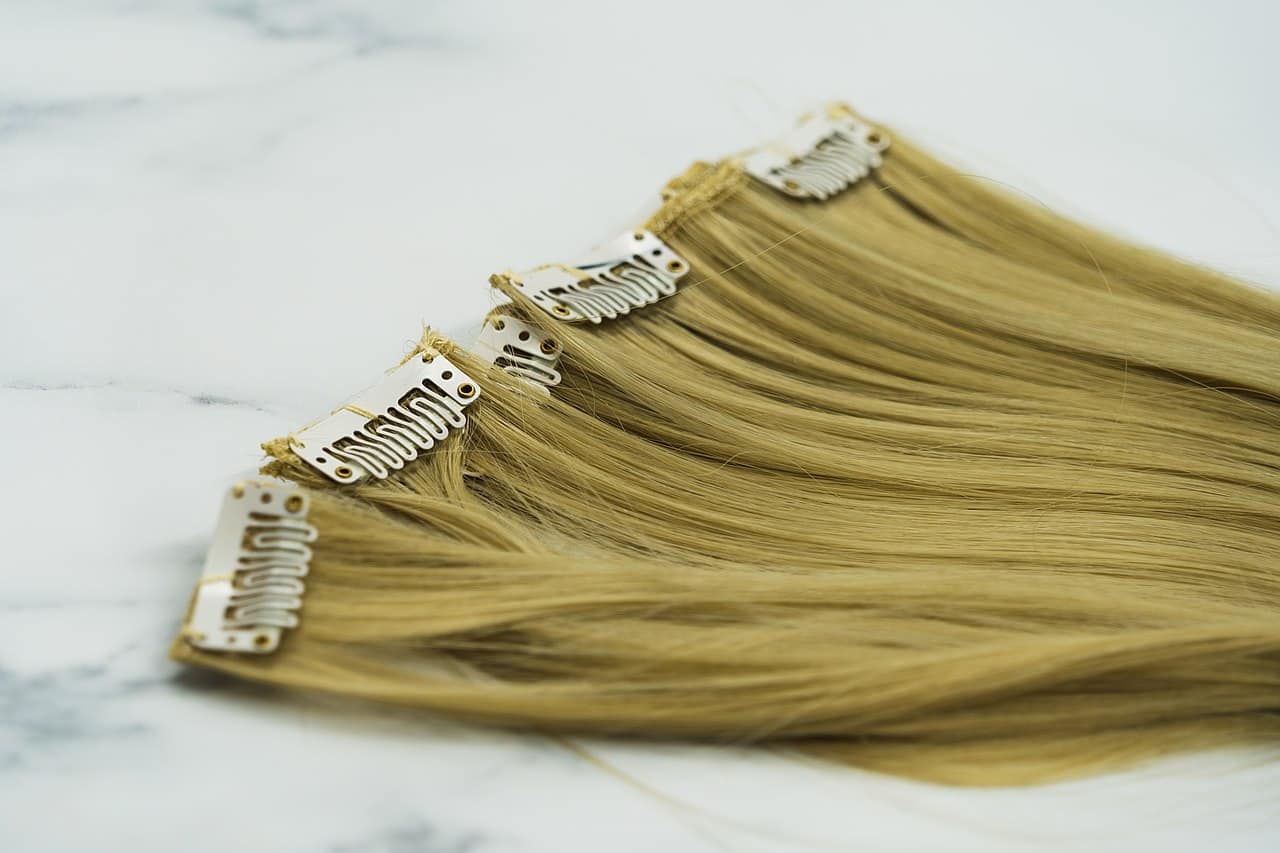
A new study in Environment & Health analyzed 43 hair-extension products—synthetic braiding hair, human hair, and plant-fiber options such as banana-based extensions. Nearly all contained at least one chemical flagged as hazardous, the researchers report.
A Chemical Dragnet
Millions of people use hair extensions, but some groups tend to use t hem more than others. More than 70% of Black women in the United States use hair extensions at least once a year, compared with less than 10% of other groups, according to the study. Sometimes, they use them for weeks at a time.
Unlike cosmetics you rinse away, hair extensions linger. They’re pressed to the scalp, warmed by styling tools, and carried through daily routines. Whatever chemicals they contain, they can pass to the skin quite easily.
The study used a broad “let’s see what’s there” approach. Instead of searching for specific ingredients, the team ran a non-targeted screen—an analytical sweep that can detect many chemicals at once.
The sweep caught 933 different chemical signatures. While many remain unidentified because they don’t even exist in reference libraries yet, the ones we can name are worrying. The team identified 48 chemicals listed on major hazard registries. In fact, 91% of the tested samples contained at least one substance found on California’s Proposition 65 list of known carcinogens and reproductive toxins.
From Boat Hulls to Braids
The scale of the contamination is what really shocked the researchers. In Kanekalon—a ubiquitous synthetic fiber—chlorine made up nearly a quarter of the material’s weight.
In about 10% of the samples—mostly those that failed to disclose their fiber type—tin levels exceeded 0.4% by weight. “We were shocked,” lead author Elissia T. Franklin told Gizmodo. We are essentially putting chemicals designed for aquatic industrial use directly onto human scalps.
×
Thank you! One more thing…
Please check your inbox and confirm your subscription.
And then there were the organotins: tin-based compounds used in industry, including to stabilize certain plastics. The study found organotins in nearly 10% of samples—specifically, in four products whose labels did not disclose the fiber type. In those samples, total tin reached levels suggesting tin content above 0.4% by weight.
All in all, hair extensions seem to be a cocktail of chemicals.
Can We Fix It?
 Image in Creative Commons.
The study doesn’t definitively prove that these chemicals are leaching into our bloodstreams at toxic levels yet. However, the circumstantial evidence is mounting. OB-GYNs have long noted that conditions like fibroids, which respond to estrogen, are disproportionately prevalent in Black women. This study provides a potential “missing link” between external products and internal health.
Also, the work adds detail to a pattern that has been building. A 2022 study found heavy metals in synthetic hair, and a Consumer Reports investigation in 2025 found volatile organic chemicals in braiding hair.
The organotin result may be especially thorny. The European Union caps certain dibutyltin compounds in consumer articles at 0.1% tin by weight, and the study reports that some extensions surpassed that level.
And if you think a quick DIY fix will save you, think again. Many consumers try to “strip” the chemicals using an apple cider vinegar rinse. The researchers tried a similar acid soak in the lab and found it barely made a dent in the tin levels.
In the meantime, the study points to a practical theme that shows up again and again in modern chemical safety: disclosure. Products that didn’t name their fiber type carried some of the heaviest hazardous load.
Change, the authors argue, is unlikely to come from individual choices alone. Meaningful protection would require clearer laws, routine safety screening, and industry accountability—steps that could make beauty products safer long before they reach a salon chair.