
The launch of the next PlayStation console may be pushed back as the technology industry grapples with a chip shortage that has been exacerbated by the boom in artificial intelligence.
Sony is considering delaying the release of the PlayStation 6 until 2028 or 2029, according to reports by Bloomberg, as the Japanese manufacturer struggles to get the memory chips needed for the console.
The scarcity of Dram, or dynamic random-access memory, has been stoked by competing demand from AI data centres.
The PlayStation 6, the successor to the PS5 that launched in 2020, had been planned for release towards the end of next year. Sony has typically launched a new console generation every six or seven years since the original PlayStation debuted in 1994.

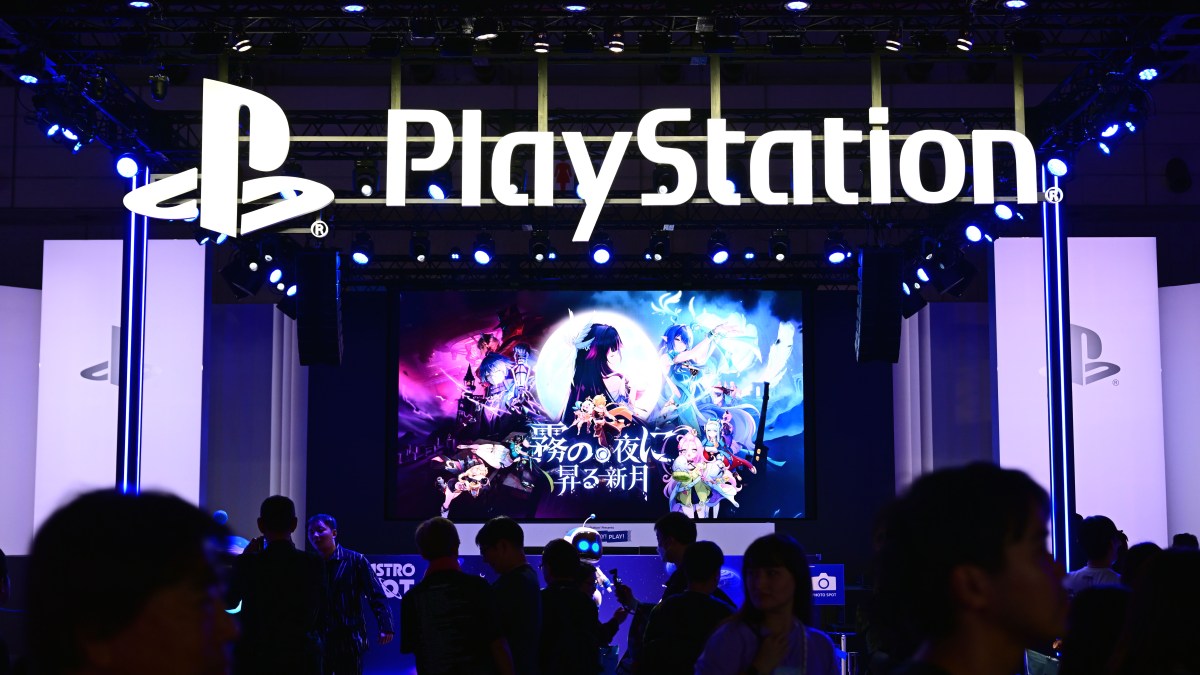
PlayStation 5 (PS5) was launched in 2020
KIYOSHI OTA/BLOOMBERG VIA GETTY IMAGES
Nintendo is also considering increasing the price of its Switch 2 console this year, which currently costs £396, according to Bloomberg. The Japanese video-game maker did not increase the cost of the console last year, despite President Trump’s global trade tariffs.
Technology bosses including Tim Cook, chief executive of Apple, and Elon Musk, who leads Tesla, have previously warned about a shortage of chips used to make a range of products from laptops and phones to cars and data centres, which could constrain production.
Companies including OpenAI and Alphabet, the parent of Google, have been buying up chips to run their chatbots. The largest American technology companies are spending billions of dollars a year on building out their AI infrastructure.
Alphabet and Amazon have set out plans to spend as much as $185 billion and $200 billion, respectively, this year on AI — more money than any company in history has ploughed into capital expenditure in a single year.
Sony and Nintendo were approached for comment.