
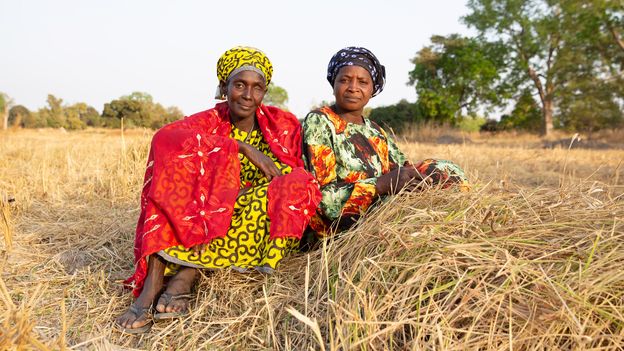
Senneh and Ceesay have both shifted to cultivating vegetables such as lettuce and cabbage, but the meagre profit does not cover their expenses, including buying imported rice. To meet her family needs, Ceesay says, she sometimes borrows money from a women-only group she belongs to in her village.
Yaffa worries about the impact of importing more rice. “My fears are that The Gambia, especially the farming communities, will face serious food shortages that will impact their lives and livelihoods,” he says. The decline in rice production, he says, “will create hunger and could trigger riot in the country”.
Senneh is also deeply worried and hopes for a permanent solution. But she believes time is ticking on the crisis.
“I support the construction of dikes,” she says. “If not, [saltwater intrusion] will become worse and life will be unbearable for us. I fear that in the future my second rice field may be affected if nothing is done.”
—
For essential climate news and hopeful developments to your inbox, sign up to the Future Earth newsletter, while The Essential List delivers a handpicked selection of features and insights twice a week.
For more science, technology, environment and health stories from the BBC, follow us on Facebook and Instagram.