
NEED TO KNOW
The northern lights are expected to remain stable this evening, with Kp levels around four (out of nine), according to the NOAA Space Weather Prediction Center
Still, auroras could drift lightly further south and appear brighter than usual on Tuesday, Feb. 16, but no geomagnetic storm is forecast
Solar radiation and radio blackout risks remain low, making this a subtle skyshow
Just hours after a new moon solar eclipse, the cosmos continues to hog the spotlight!
According to the NOAA Space Weather Prediction Center, geomagnetic activity is expected to remain relatively stable through Feb. 19, with Kp levels hovering around four out of nine.
Still, while that falls below storm strength, it can allow the northern lights to drift slightly further south from Earth’s magnetic north pole and appear brighter than usual.
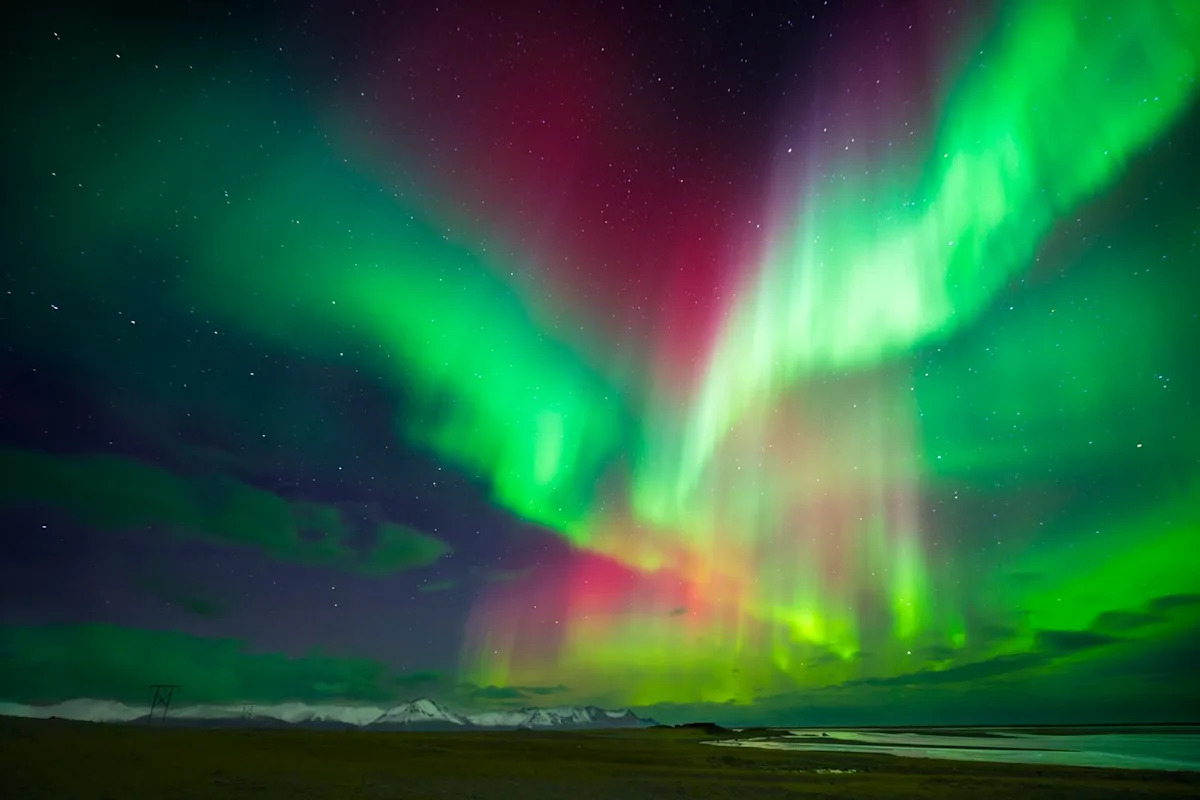
The aurora borealis (northern lights) is a result of geomagnetic storms, which occur when charged particles from the sun collide with gases in the Earth’s atmosphere, creating brilliant waves of light in the sky. Still, their visibility depends on several factors, including intensity and location.
In its most recent three-day forecast, experts are saying no geomagnetic storms caused by solar winds are expected to impact the Earth on Tuesday night, but we could still see the aurora anyway.
Here’s everything you need to know about when, where and how to watch the stellar event.
When will the northern lights be visible?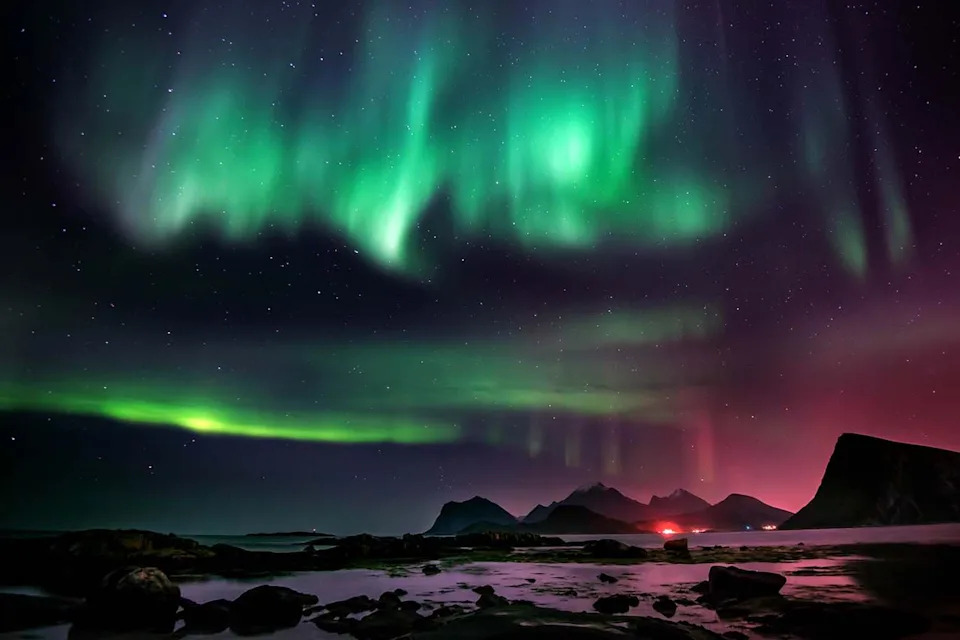 Aurora borealis over Lofoten
Getty
Northern lights are forecasted to make a brief cameo on Tuesday, Feb. 17, but NOAA forecasters aren’t seeing any significant coinciding geomagnetic storms.
In the right weather conditions, auroras are most active between 10 p.m. and 2 a.m. local time.
Where will the northern lights be visible?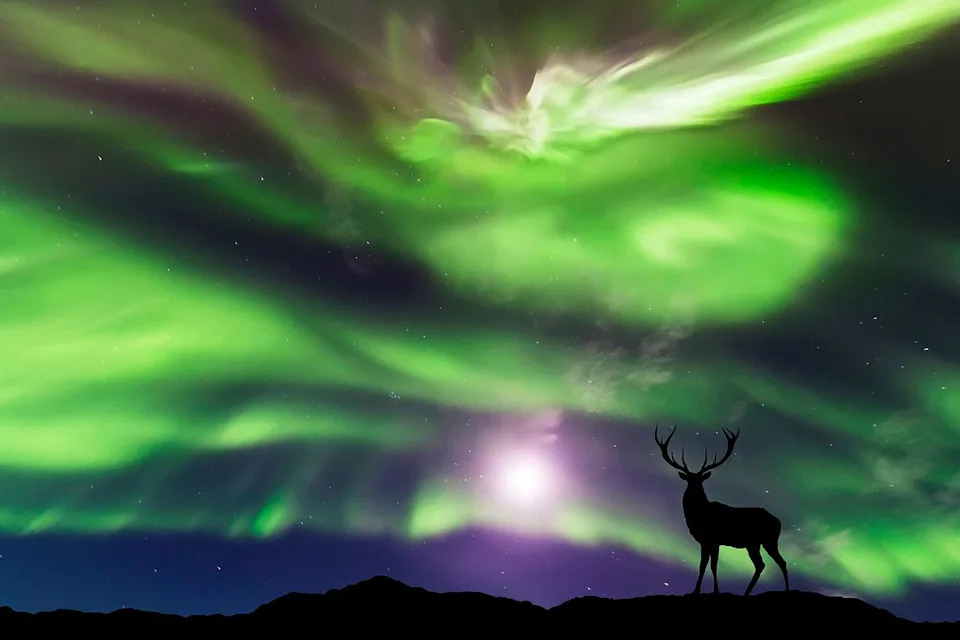 Silhouette of a deer standing under the northern lights
Getty
According to NOAA’s aurora view line, the northern lights could be spotted from northern U.S. states along the Canadian border tonight, Feb. 17.
These include northern Washington, the Idaho Panhandle, Montana, North Dakota and South Dakota. Auroras could also be visible from Minnesota, northern Wisconsin and northern Michigan. On the East Coast, however, they could also be visible from northern Maine.
Most of Alaska falls within the view line as well.
How to watch the northern lights?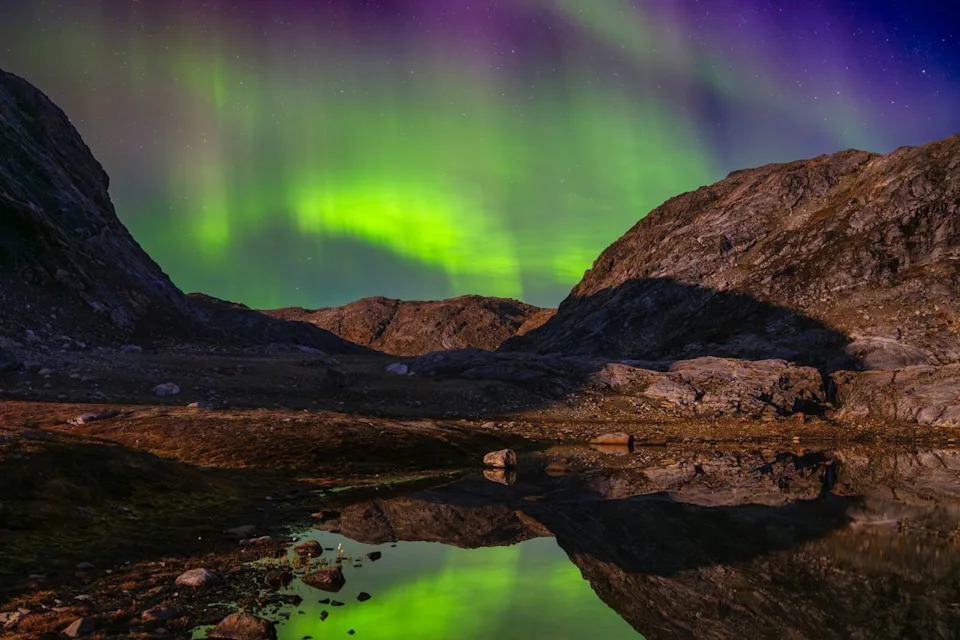
Northern Lights at Sermilik
In order to capture the magic, the key is to head far from city lights and pollution, with a clear, unobstructed view of the northern horizon.
Experts at the National Oceanic and Atmospheric Administration recommend aurora chasers to travel as far north as possible, close enough to Earth’s magnetic north pole in northern Canada.
Be patient and give your eyes time to adjust (at least half an hour) to the darkness. Auroras during minor storms often appear as faint glows or subtle movement before intensifying.
How to photograph the northern lights?
You don’t need special equipment to catch a glimpse of the northern lights!
In fact, most smartphones have a high-tech feature that lets you take photos of the aurora borealis, so you can remember the phenomenon forever! However, for those with more advanced gear, like a DSLR or mirrorless camera, use a tripod and shoot in manual mode for the best results.
Simply head to your phone’s camera settings and turn on “Night Mode.”
Read the original article on People