
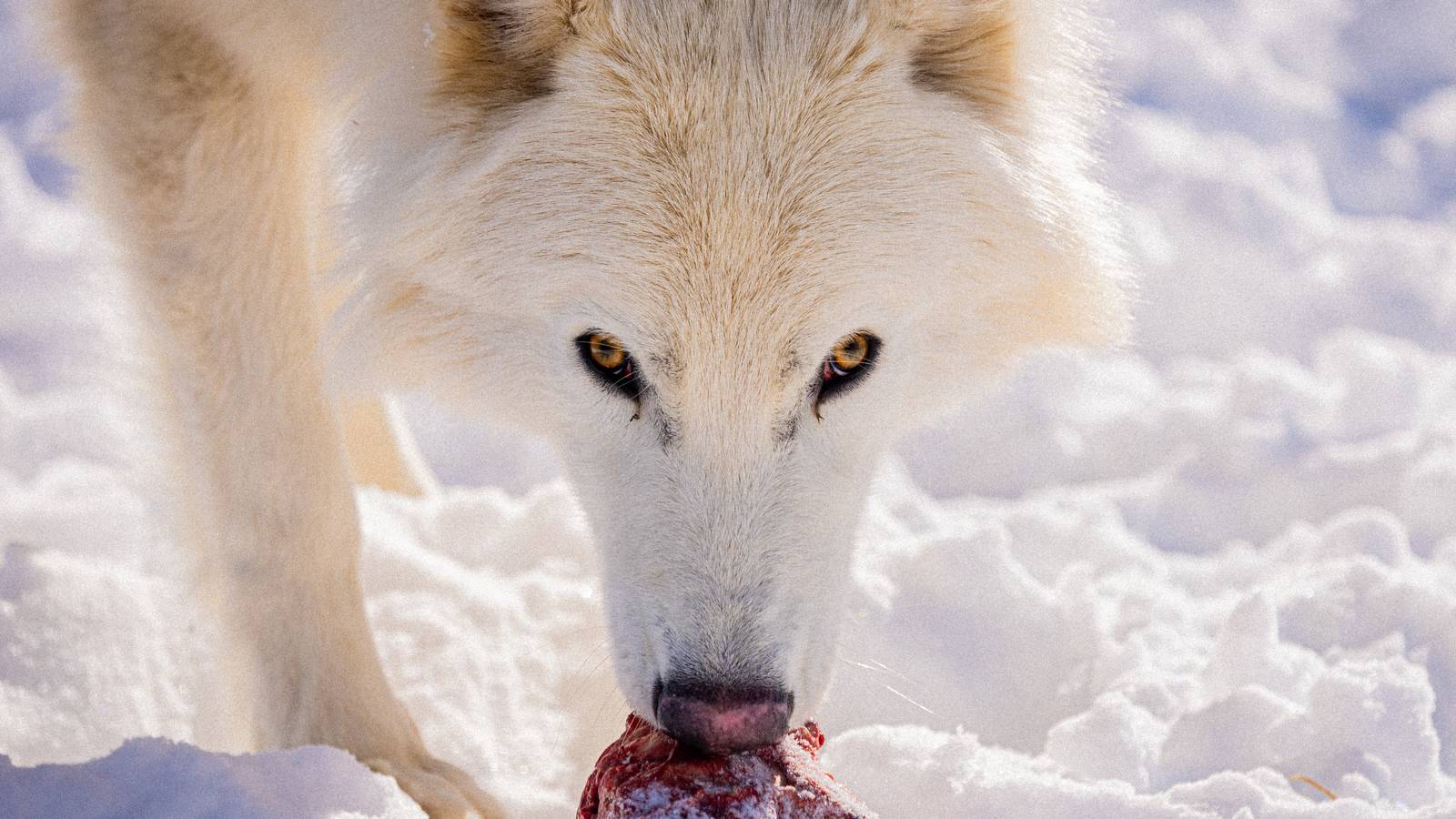
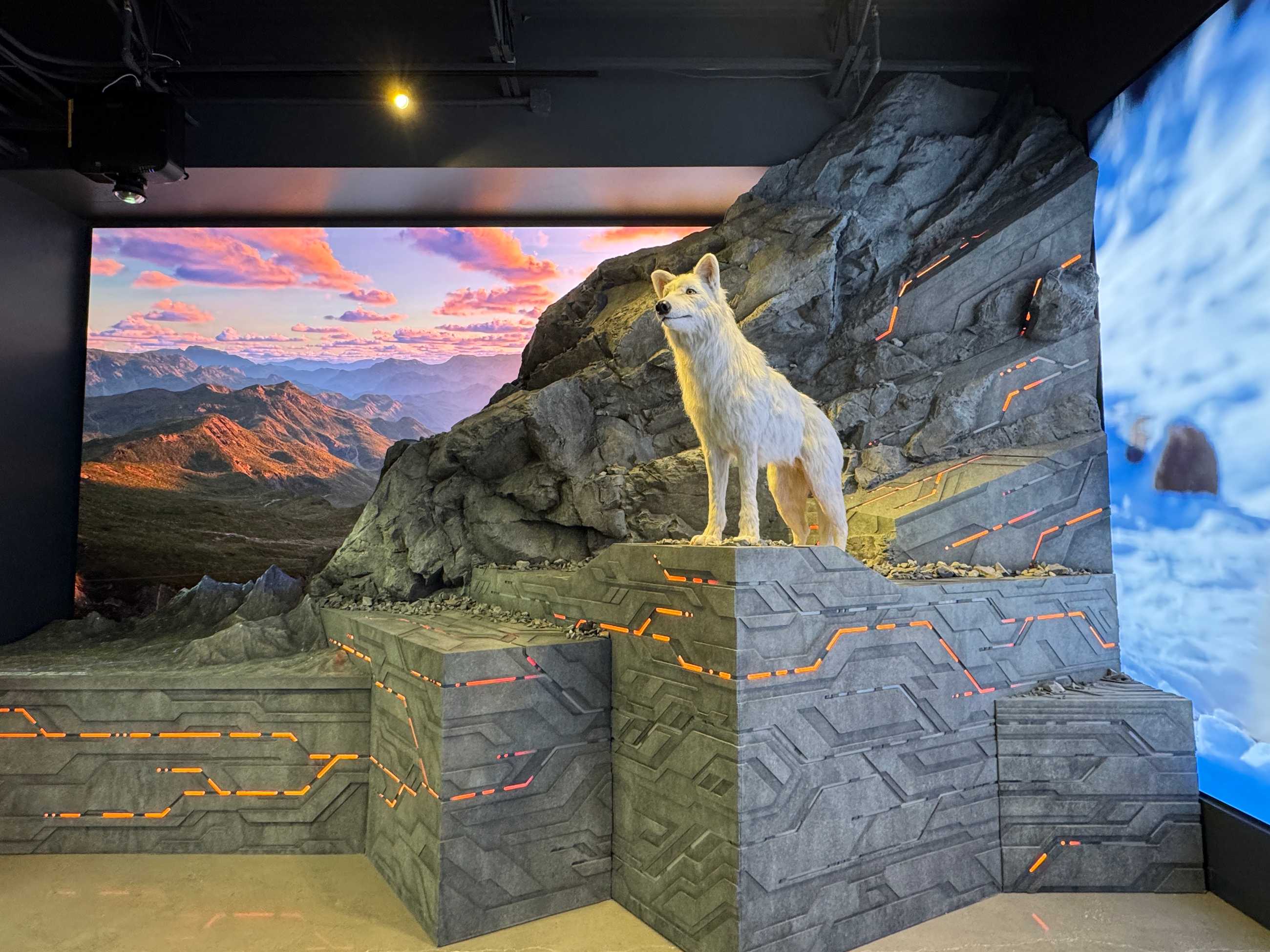
When I returned to Colossal’s new headquarters in Dallas last week for its official grand opening, the first thing I noticed was the lobby. While this large open space looked complete before, impressive details had been added since August. An animatronic dire wolf overlooks the seating area. On the adjacent wall, a floor-to-ceiling screen plays brand new footage taken just a week earlier. Colossal’s dire wolves, now fully grown, move through the snow and enjoy a meal in what seems to be the perfect environment for their thick white coats.
No one outside the company had seen the footage yet.
What stood out most was not just how large they’ve become. It was how they were moving together.
“They’re good at the hunting part, but they’re bad at the killing part, so they brought back a very live bunny.”
Matt James, Colossal’s Chief Animal Officer, laughs when he tells the story. The wolves recently completed their first successful chase, but the final step still required refinement. They returned with the rabbit alive, almost as if waiting for direction.
Since then, he says, they’ve gotten better. “They’ve really mastered bunnies,” James explains, adding that the wolves are now giving chase to larger prey like deer. Whether they manage to land one remains to be seen, but the instinct and coordination are there.
For the first time, Colossal believes it is looking at fully mature animals.
“I think we see a full-grown dire wolf for the first time, which is really neat,” James adds while explaining that their Dire Wolves have reached the age where they aren’t putting on more weight.
Below are sets of brand new photos of Romulus and Remus, along with exclusive updates from the Colossal team on the Dire Wolf project, with more to come throughout the week.
Colossal’s Dire Wolves Are Now Living As A Pack
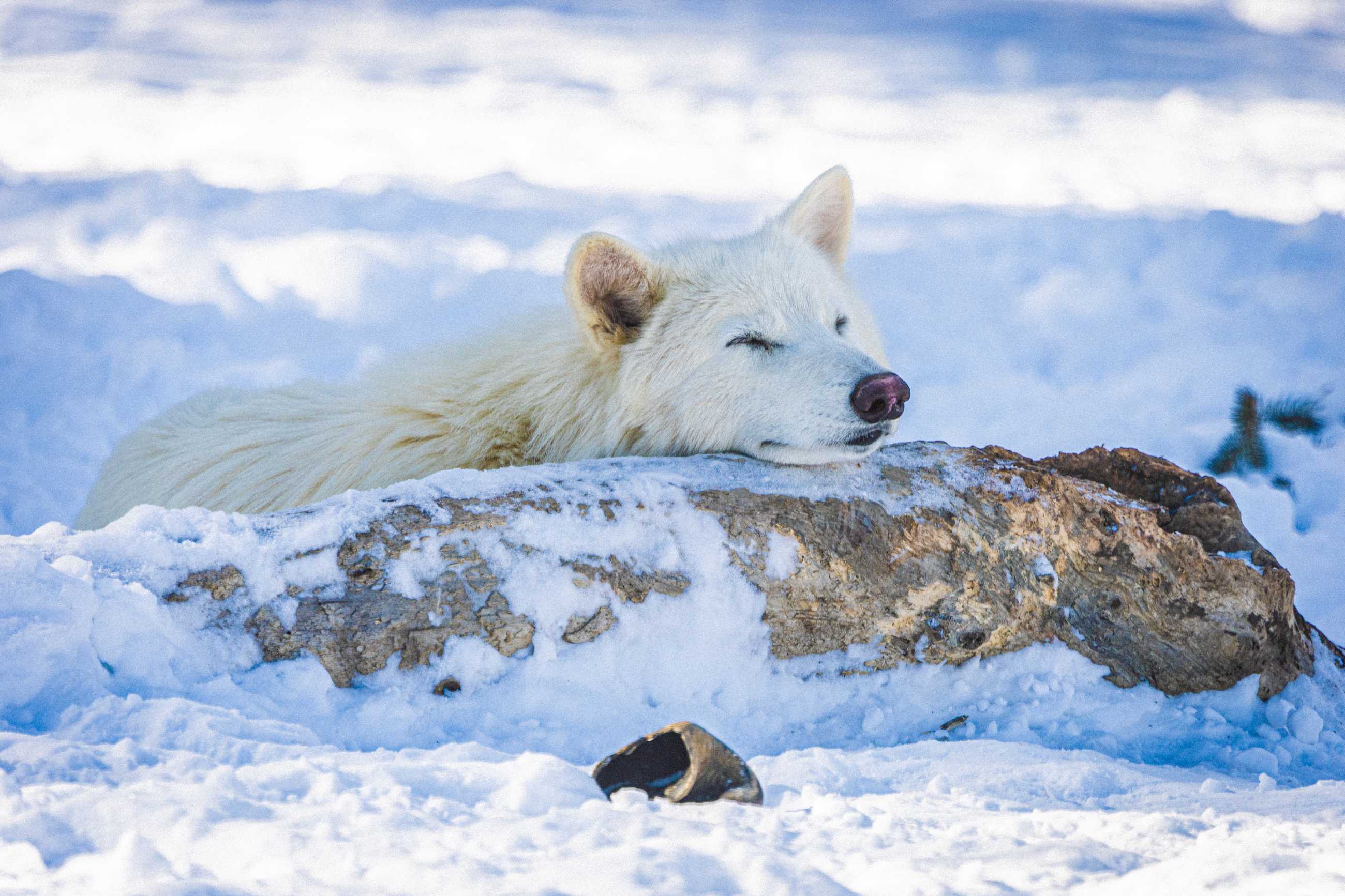
Last August, Colossal Biosciences shared footage of Khaleesi meeting her brothers, Romulus and Remus, for the first time. The introductions were cautious and closely supervised, introducing her to one brother at a time to start. At that stage, the focus centered on ensuring the animals could safely coexist.
Now we can confirm the trio are living together as a pack. “Khaleesi’s full time with the boys now, which is really good,” James says.
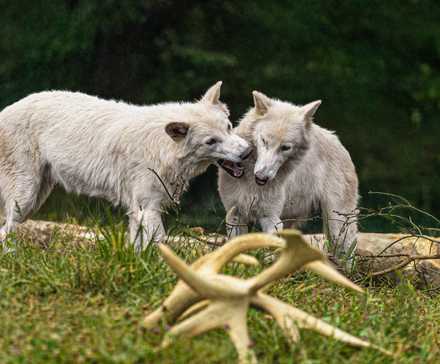
Romulus, Remus, and Khaleesi now eat together, play together, and attempt hunts together. What began as a monitored introduction for limited periods of time under the close supervision of Colossal’s team of 10 – who care for the Dire Wolves on a 2,000-acre site – has developed into a stable social structure built on hierarchy and coordination.
Expansion Plans Are Already Underway For More Dire Wolf Pups
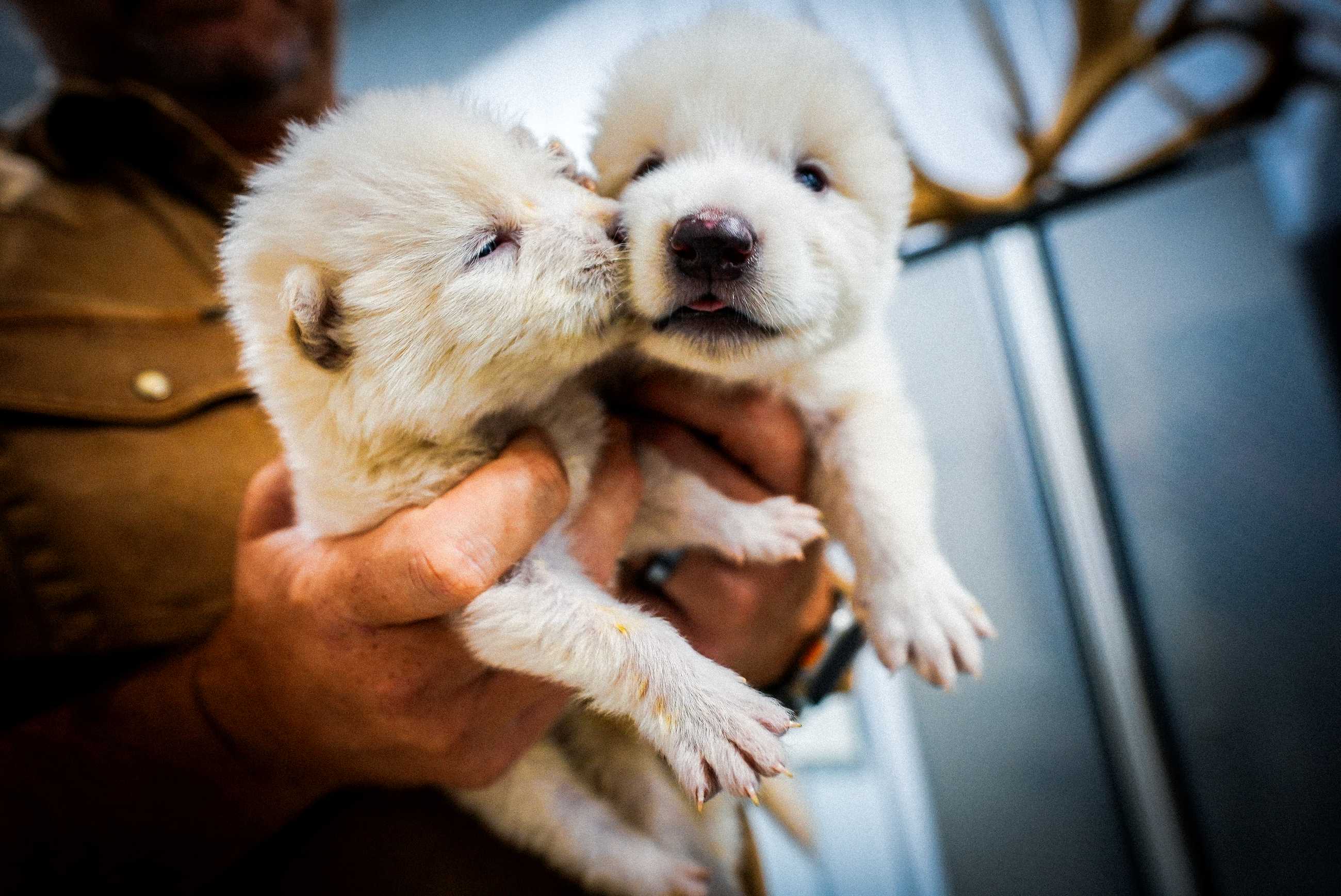
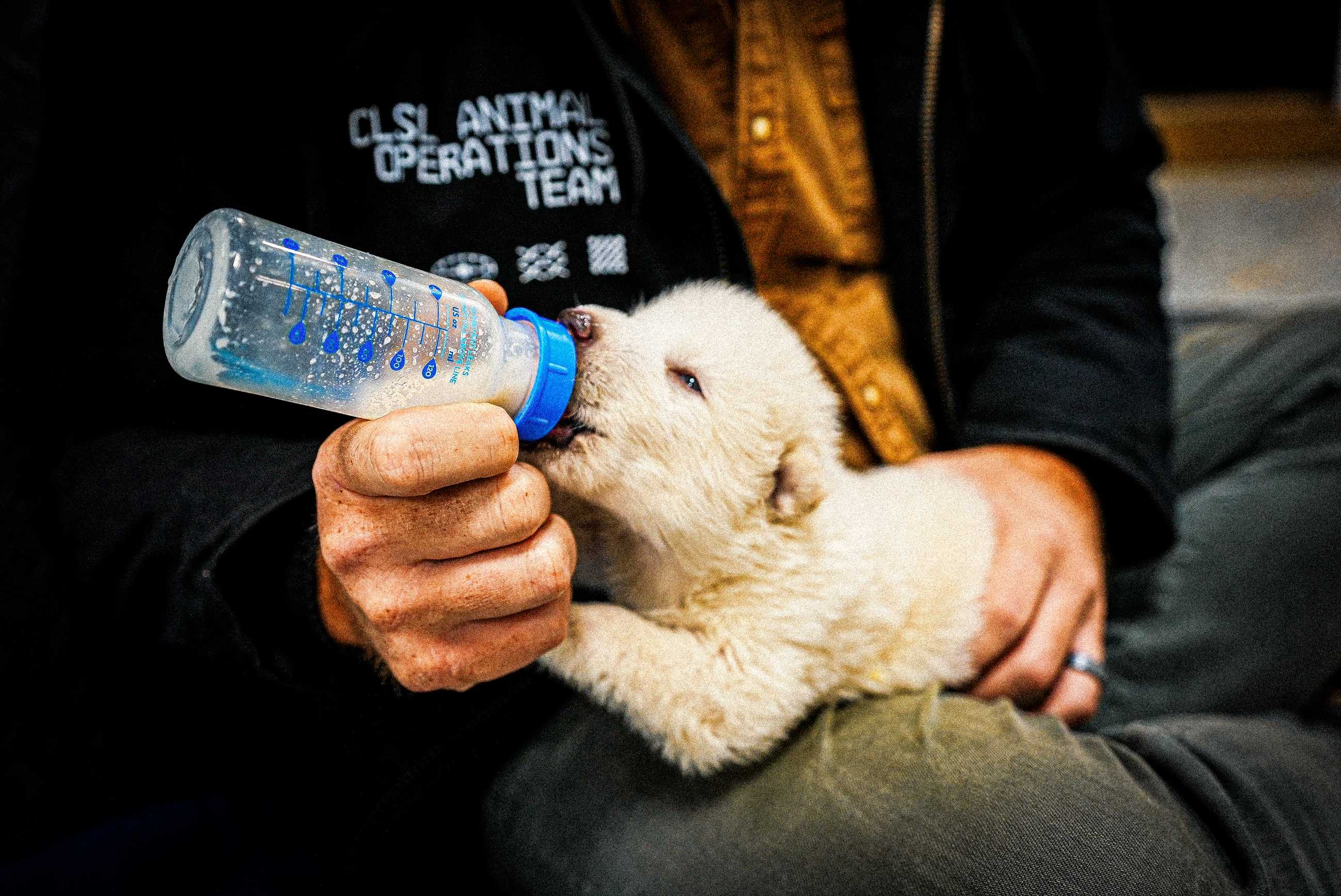
These are photos of Romulus and Remus as young pups from late 2024
The wolves recently completed their first annual comprehensive exams, including anesthesia, CT scans, MRI imaging, and full physical evaluations.
“Everybody looked really happy and healthy, so that really checks the box so that we can say ‘yeah, we can continue to grow this herd, this pack,’” James says. “We’re making those plans today. Actually, Beth [Shapiro] and I were talking about it this morning,” he adds.
Related
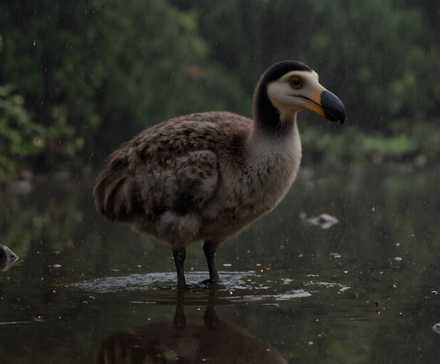
Colossal’s Breakthrough Brings Dodo De-Extinction Closer
Colossal Biosciences tells Screen Rant how breakthrough science, new funding, and rewilding plans in Mauritius are making the impossible possible.
James acknowledges that growth has to be managed carefully. “I’m the brakes in this situation where all the scientists are like, ‘Let’s make a hundred more!’ and I’m like, ‘Well, hold on!’” Space, staffing, and facility capacity all shape how quickly the population can expand.
“I’ve a whole team of people that care for them and even though they’re pretty self-sufficient, we still have to monitor them, protect them, keep them in these fenced areas. So we have a lot of space where the ones are right now. But we might have to add space for that, and we’re building facilities in other places as well so that we could support this.”
CEO Ben Lamm also confirmed that direction during a separate interview.
“We’re working on more dire wolves so we’ll have more puppies.”
More wolves means more infrastructure, more land, more staff, and more long-term planning. It is actively being mapped out and part of that is mastering how to feed them.
How Colossal Is Caring For Its Dire Wolves
Expanding the population means refining care for animals that mirror those who have not existed in over 10,000 years.
“We’re still trying to tune in the nutrition,” James says. The wolves turned out to be more seasonal in their appetite than expected. Instead of consistent daily feeding, the team adopted a pattern that mirrors wild behavior.
“We have them on like a fast and gorge diet, so they go several days without eating and then suddenly they’ll get a whole deer quarter, and they’ll just go ravage that thing.”
Blood work shows strong health markers, and weight gain has leveled off at maturity. Alongside husbandry, the team completed what James calls a conservation value and risk evaluation plan, mapping how a species like this could theoretically return to the wild.
“We know with dire wolves, we’re not taking it there,” he says. “But for us, it’s a really good exercise to take this thing all the way to the end.”
Even if these wolves remain in managed preserves, the ecological modeling and regulatory groundwork will inform future de-extinction efforts.
Addressing the Controversy of What Makes A “Real” Dire Wolf?
As the wolves grow, so does the debate surrounding them. I see it here on ScreenRant when writing about these wolves. Are these animals truly dire wolves, or something closer to genetically modified gray wolves?
Beth Shapiro, Colossal’s Chief Science Officer, addresses that question directly in our conversation. “First of all, ‘Why not?’ What would make a real dire wolf?” she says.
Related
Looking Back At The Dire Wolves’ 1st Birthday
Colossal Biosciences celebrates the first birthday of Romulus and Remus, the first dire wolves who have become living proof that bringing back long-lost species is possible.
Colossal introduced 20 targeted genetic edits into gray wolf DNA to recreate key traits associated with dire wolves, primarily size and coat characteristics. “We were targeting specifically size and the hair phenotype for dire wolf, and that’s it,” Shapiro explains. The goal, she says, was to make the fewest edits possible while still restoring defining traits.
Some scientists argue that 20 edits are insufficient. Shapiro focuses instead on function and safety. Each additional genetic change introduces potential risk, particularly when working within a gray wolf genetic background. “Do you know who doesn’t care whether we call it a dire wolf or not? The ecosystem,” she says.
“Don’t call it a dire wolf, but I’m going to.”
For Colossal, the standard is not a semantic argument about taxonomy. It is whether the animals are healthy and capable of expressing the functional traits that once defined the species. As the wolves mature and begin hunting as a coordinated group, the company sees that threshold being met, even if this species isn’t currently intended to be rewilded.
Could The Public See Colossal’s Dire Wolves One Day?
© Photo by Rob Keyes
Watching the wolves sprint across snow on a wall-sized screen in Dallas, it becomes easier to imagine broader access in the future and Matt James believes that possibility exists.
“There’s a possibility that people one day will be able to see dire wolves,” he says but there’s a reason their location is secretive and secure. When Colossal first revealed the woolly mice, they had unannounced visitors popping by trying to see them alongside various zoos asking if they could get woolly mice to create exhibits. Imagine the interest in Dire Wolves.
For now, the pack remains stable, expansion plans are active, and the animals that once existed only in fossil records now live together as a functioning pack.
More to come throughout the week on ScreenRant.