
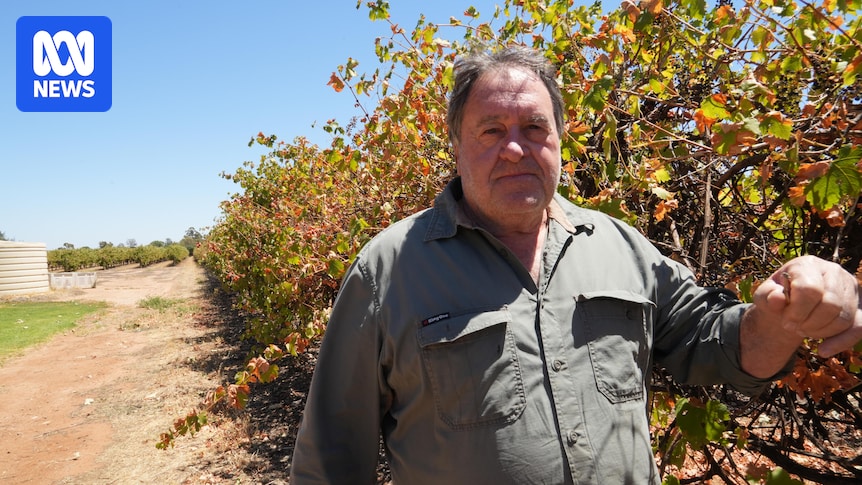
Neil Minther has been preparing to leave the wine grape growing industry for two years.
After more than three decades, he has finally turned off his water, leaving behind acres of vines that are now withering away in Renmark in South Australia’s Riverland.
Mr Minther is hoping to rezone his land that is no longer in use from horticultural to residential.
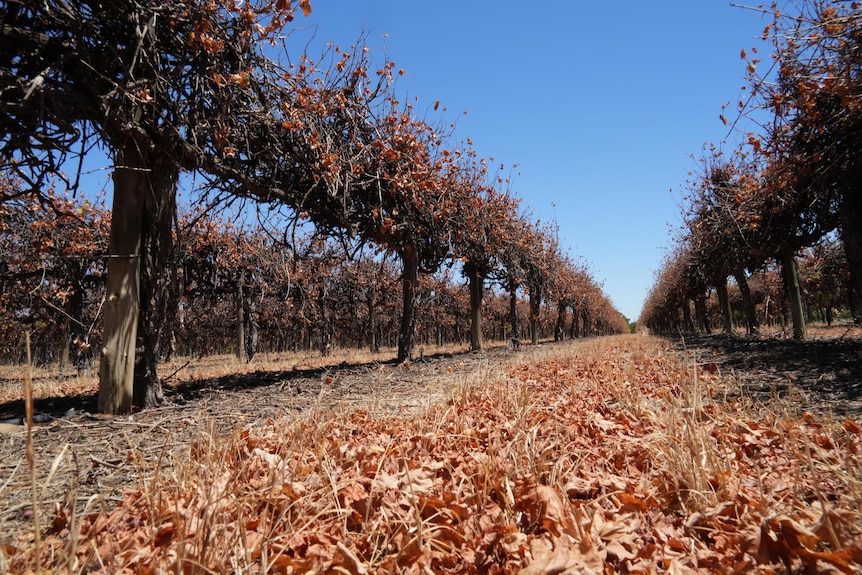
Grape vines have been left to die at Mr Minther’s property in Renmark. (ABC Riverland: Jackson Byrne)
“The last two years we’ve made a loss. I can’t wait for the turnaround, even if there is going to be one,” Mr Minther said.
Having the opportunity to rezone his land in Australia’s largest grape growing region is something he said would allow him to seek refuge from an industry in crisis.
“It’s no longer viable to water [my crops] and it’ll cost me more money to water than what I’ll get out of it at the end of the day,” he said.
“Allowing people to turn this zone into residential land would entice people to come to the area.”
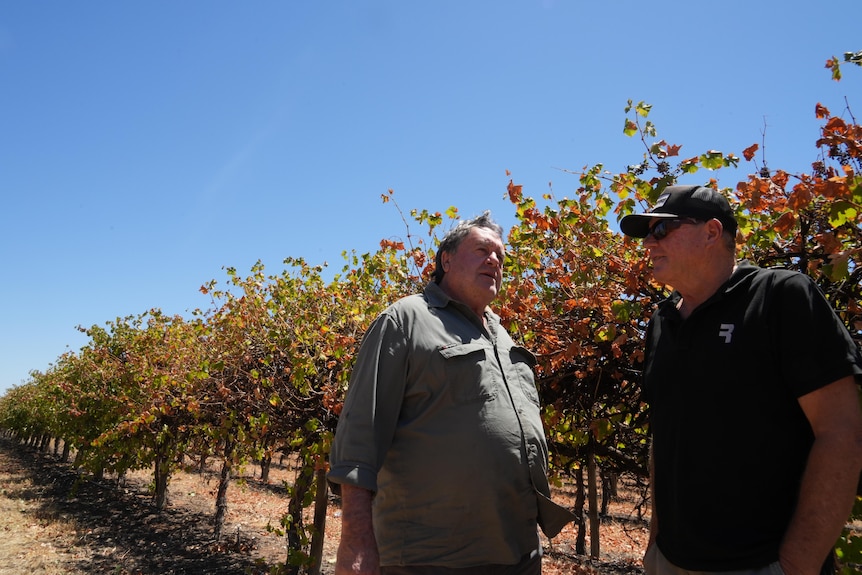
Neil Minther talks with friend and builder John Pearce about wanting to subdivide his property. (ABC Riverland: Jackson Byrne)
The wine grape industry has struggled in recent years, with an oversupply leading to all-time low prices and assistance from both the federal and state governments arriving too late, according to growers, including Mr Minther.
But even with its challenges, the state government anticipates demand for residential housing in the Riverland and Mallee will soar.
Housing ‘demand outweighing supply’
A report from Australian property data and analytics company PropTrack has highlighted the rising unaffordability of homes in regional South Australia.
The median value of a house has risen to almost $500,000 in regional SA, up 50 per cent over the past five years.
Pat Catalano says there aren’t enough houses to meet demand in regional South Australia. (ABC Riverland: Jackson Byrne)
Real estate property specialist Pat Catalano has assisted with the rezoning of horticultural land in Renmark in recent months.
He is in support of wine grape growing families rezoning their land to help them exit the industry, particularly those with generations of history in the region.
“After being on the land for so long and with the grape industry not doing too well, [the previous owner] was in a good position to offer it out to a developer,” Mr Catalano said.
“I think demand is still outweighing supply [for houses], we’re just seeing a lack of availability of properties on the market.”
Another application was lodged this year with Plan SA for 138 residential allotments at two sites in Berri, currently home to grape vines, which are set to be ripped up to make way for new homes.
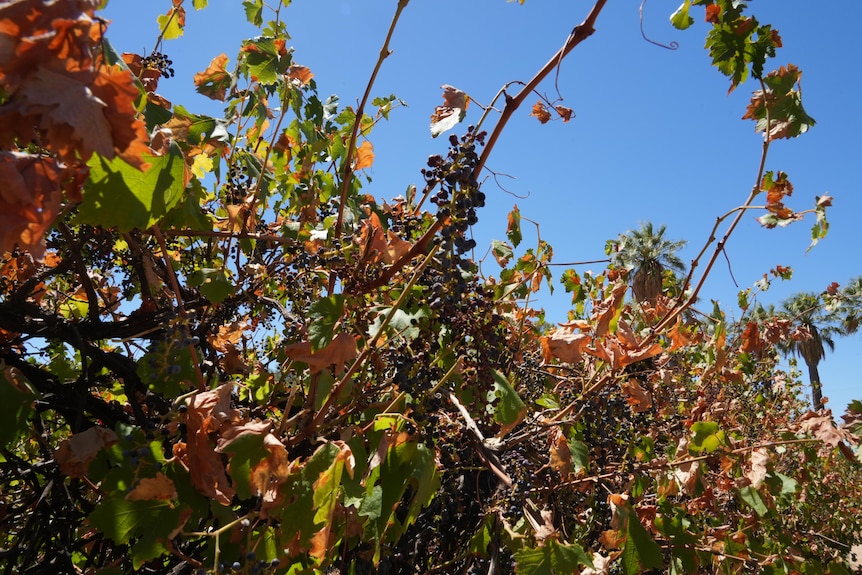
Neil Minther wants to transform his dying grape vines into residential housing. (ABC Riverland: Jackson Byrne)
Berri Barmera Council Mayor and Murraylands Riverland Local Government Association president Ella Winnall said increasing housing in the Riverland and Mallee will revitalise main streets and boost local economies.
“Through infrastructure and rezoning, we’ll be able to see a higher growth rate than what we have at the moment,” she said.
“An extra 30 houses in Barmera is really transformational for businesses in the main street and the economy and for the council as well.”
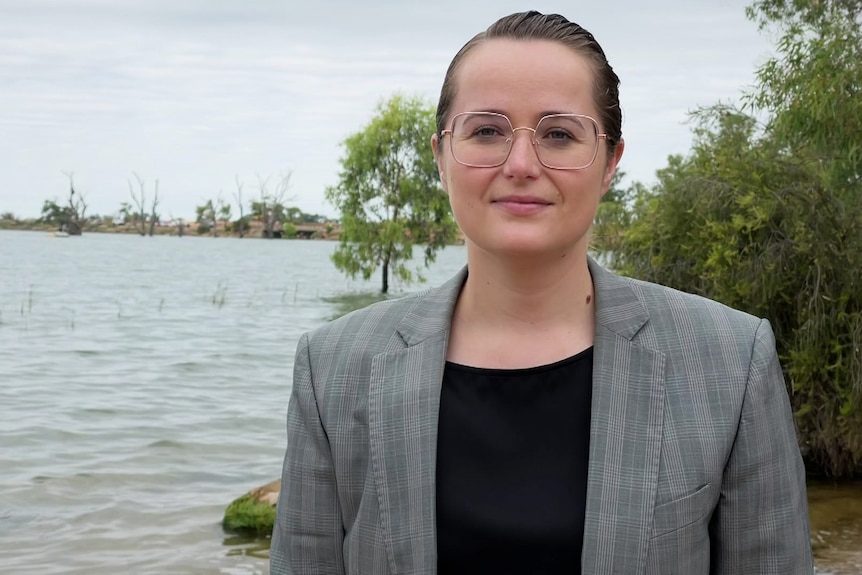
Ella Winnall says rezoning in regional areas could help revitalise towns in the Riverland. (ABC Riverland: Sophie Landau)
Recently appointed chair of Riverland Wine, Brigid Nolan, said subdividing land would be a lifeline for many growers in the region, particularly those who have houses attached to their vines.
“If we can provide growers an exit from the industry with an element of dignity and some kind of cash reserve, I’m 100 per cent supporting that,” she said.
To rezone land, councils are required to prepare a code amendment, which alters the way existing policies in the code apply to an area. This includes preventing or encouraging certain types of development from occurring.
Renmark Paringa Council chief executive Tony Siviour said 192 hectares of land had already been identified as “suitable for lifestyle allotments to accommodate residential expansion”.
But he maintained it was critical the region’s horticultural land was protected.
A regional identity crisis
In six regional plans covering South Australia, the state’s Planning Minister Nick Champion underlined housing supply as the key issue facing a growing population in the regions.
The government has forecast that almost 14,000 homes will need to be built in the next 25 years across the Murray Mallee to meet demand.
“Most housing is built by the private sector and the big barrier is civil infrastructure, water, sewer and roads,” Mr Champion said.

Nick Champion has released six regional plans for South Australia, forecasting the next 25 years. (ABC News: Carl Saville)
He said while the population in regional areas was growing, there would be new challenges as people aged.
“People want to age in their own community and they often have to leave the farm or their family home and there’s not many options to go,” he said.
Liberal MP and local member Tim Whetstone said the region had to find a way to adapt and change, while maintaining its identity.
“Careful planning is the key to success,” he said.
“I think councils could look at expanding those regional growth strategies to make sure there is a capacity for housing on horticultural properties.”
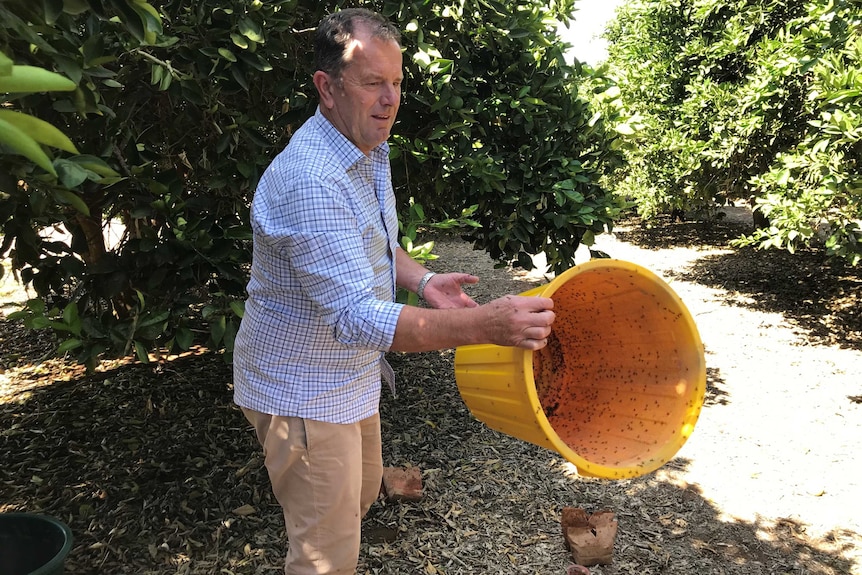
Tim Whetstone believes the Riverland will become a destination for South Australians to live. (ABC Rural: Jessica Schremmer)
Growers in limbo
Back on Mr Minther’s property, he is still waiting for approval to rezone his land.
He said while he understands grape growing is the identity of the Riverland, rezoning for the “smaller grower” would not hurt the industry.
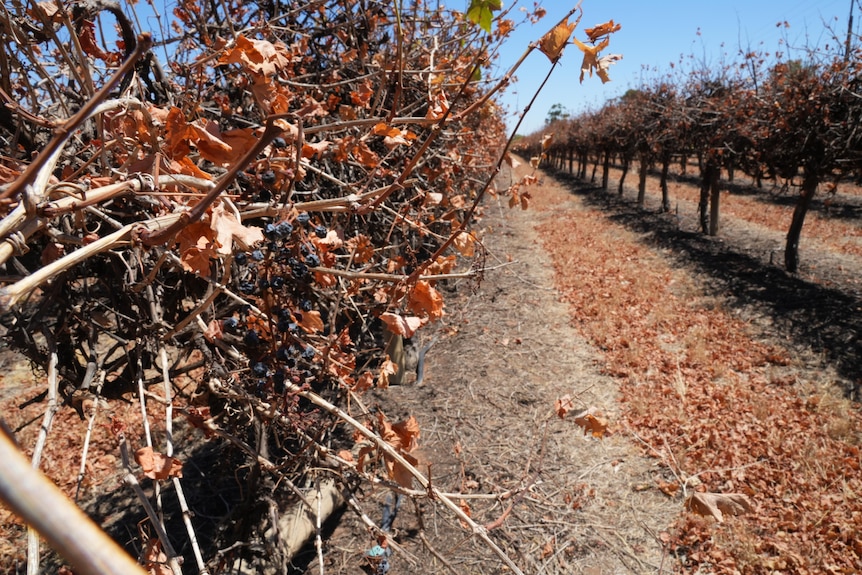
Many Riverland wine grape growers want to exit the industry and sell off their land for residential development. (ABC Riverland: Jackson Byrne)
“There’s large acreages out there being planted as we speak to fill the void of the small grower exiting the industry,” he said.
“It’s not viable to keep my patch going … I want to exit the industry and kick my heels up for the latter part of my life.”