
All animal boarding establishments must comply with the Code of Welfare: Temporary Housing of Companion Animals 2018 and other relevant species-specific codes of welfare.
Minimum Standard 7(g) requires that electronic training devices must only be used with the written consent of the owner, which was allegedly not done in this case.
What happened?
Archie’s owner said her dog stayed at the Woodbury Kennels previously, with no problems or mention of issues from the kennel.
She said the kennel had a “good reputation” and she even recommended the facilities to others in the past.
After Archie’s Waitangi weekend stay, his owner said they didn’t immediately notice the shock collar around his neck until they arrived home after picking him up.
She said they received no communication about the collar throughout the stay.
“Me and my partner were just like wow, they’ve f***ed up here,” she said.
She said her partner researched the regulations of shock collar use and wondered if the kennel would eventually ask for the collar back when it realised the device had gone home with them.
On Monday, February 9, the day after Archie’s pick-up, his owner said she received an email from the kennel that did not mention the collar.
The email shared with the Herald said the kennel was reaching out regarding “Archie’s chronic over-energetic behaviour”.
His owner said his alleged behaviour issues had never been brought up in depth previously.
Archie’s owner says she was never told a shock collar was being used on her dog while staying at the kennel. Photo / Supplied
The email said the kennel was finding it difficult to accommodate him, while keeping other dogs’ anxiety levels at bay around his behaviour.
It said multiple tactics that had been implemented proved unsuccessful.
The kennel went on to apologise and said it was no longer willing to accommodate Archie.
It also provided some options, such as dog trainers or tools to help.
Archie spent the long Waitangi weekend at Woodbury Kennels. Photo / Supplied
Archie’s owner said she replied and mentioned her disappointment with the shock collar.
She said the first email from the kennel felt “very convenient”.
“It’s only since realising you’ve accidentally sent Archie home still wearing a shock collar, that you have decided to email and say you’re having behavioural issues,” she said.
Archie’s owner said she received a response from the kennel, which said it “occasionally used” nano collars on dogs.
She said Woodbury Kennels took accountability and apologised and told her a new worker was helping out during the busy period when the incident happened.
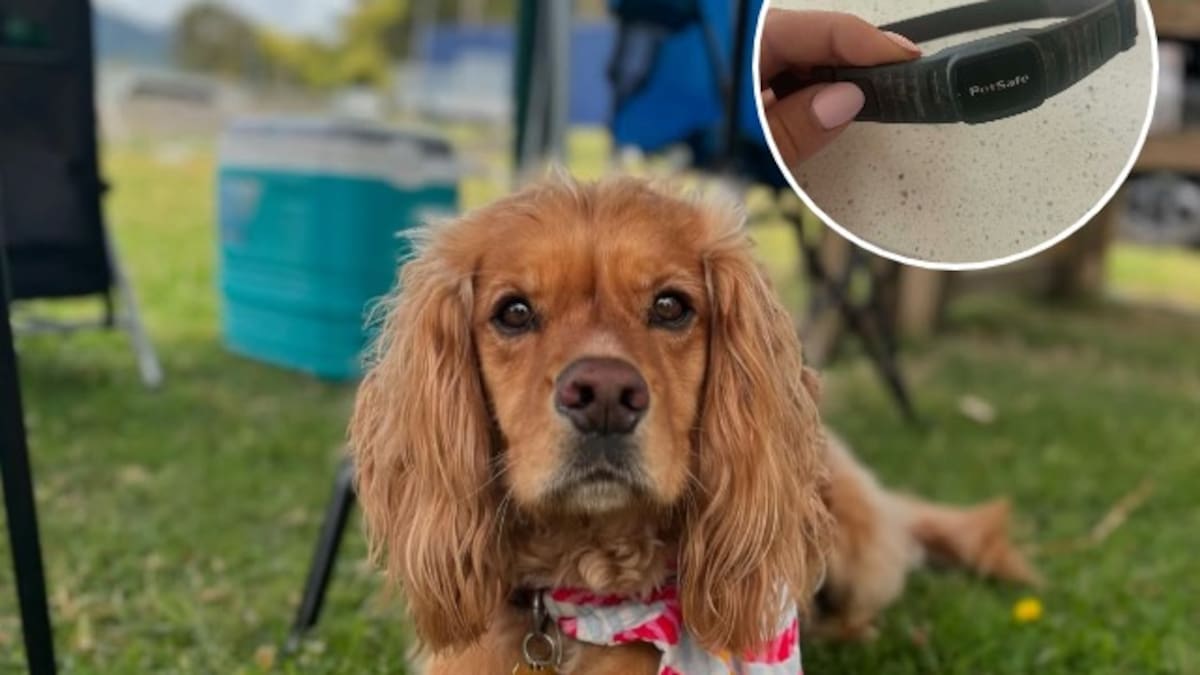
Cocker spaniel Archie was reportedly fitted with a shock collar after concerns about his behaviour while staying at a kennel. Photo / Supplied
Archie’s owner said she couldn’t trust this was the first use of the collar and was concerned the collar could have worsened Archie’s behaviour.
“The fact that if a new employee feels entitled to use a shock collar, it’s obviously something that is sort of normalised,” the owner said.
Kennel ‘mortified’ by incident
Woodbury Kennels spokesperson, Tanja, told the Herald the business was “mortified” this incident occurred and said what happened was not its standard practice.
“The use of a stimulus collar is rare at our kennels. It is only used after discussion with the pet owner. As such, it is not part of our standard terms and conditions,” Tanja said.
She said on this occasion, there was a “breakdown in communication” between herself and the pet owner.
After this incident, Tanja said she “immediately apologised to the client” and 100% owned responsibility for the mistake in not discussing the use of the collar before it was placed on the dog.
She said she also provided a full refund for the dog’s stay and invited the owner to come to inspect the premises behind the scenes.
Electric shock collars deliver an electric current through contact points on the dog’s neck. Photo / Supplied
“We did possess two, small, Petsafe Nano bark collars that are designed for safe use on dogs 2kg and upwards,” Tanja said.
She said the first collar in question remains with the owner of the dog from this incident, and she has disposed of the second collar so it can never mistakenly be put on a dog without an owner’s consent in the future.
Tanja said that during Archie’s previous stay over the Auckland Anniversary weekend, she attempted to speak with one of the owners.
She said she asked if Archie was able to relax at home, as he was excitable and could be anxious during his stay.
“This behaviour will often elevate the energy throughout the kennels and make other dogs also more unsettled,” Tanja said.
Tanja said the kennel takes this welfare situation seriously and is now taking steps to further improve how it cares for dogs during their stay.
“This includes assessment to join the International Association of Canine Professionals, and to meet the criteria for the Association of Professional Dog Trainers,” Tanja said.
SPCA says shock collars cause ‘negative long-term impact’
The SPCA said it advocates for a ban on the production, importation, sale or use of electric shock collars for dogs because of the pain and distress they cause to animals.
It said electric shock collars deliver an electric current through contact points on the dog’s neck, which can cause pain and distress to the dog.
“These are used as an aversive training tool that enforces punishment in an attempt to make the dog perform desired behaviours and can have a significant, negative long-term impact on the welfare and behaviour of a dog,” the SPCA said.
The SPCA said there are more humane and effective alternatives for containment and training, for example, physical fencing and reward-based training.
Sign up to The Daily H, a free newsletter curated by our editors and delivered straight to your inbox every weekday.