
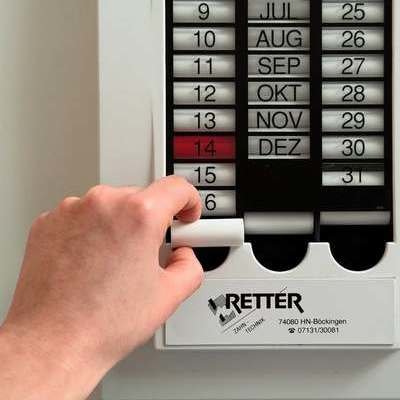
Here’s something that was designed around the 1960s or ’70s, yet would probably sell well today. This perpetual calendar is by Berendsohn, a company that made a fortune designing promotional objects in 20th-century West Germany. (More on that in a moment.)
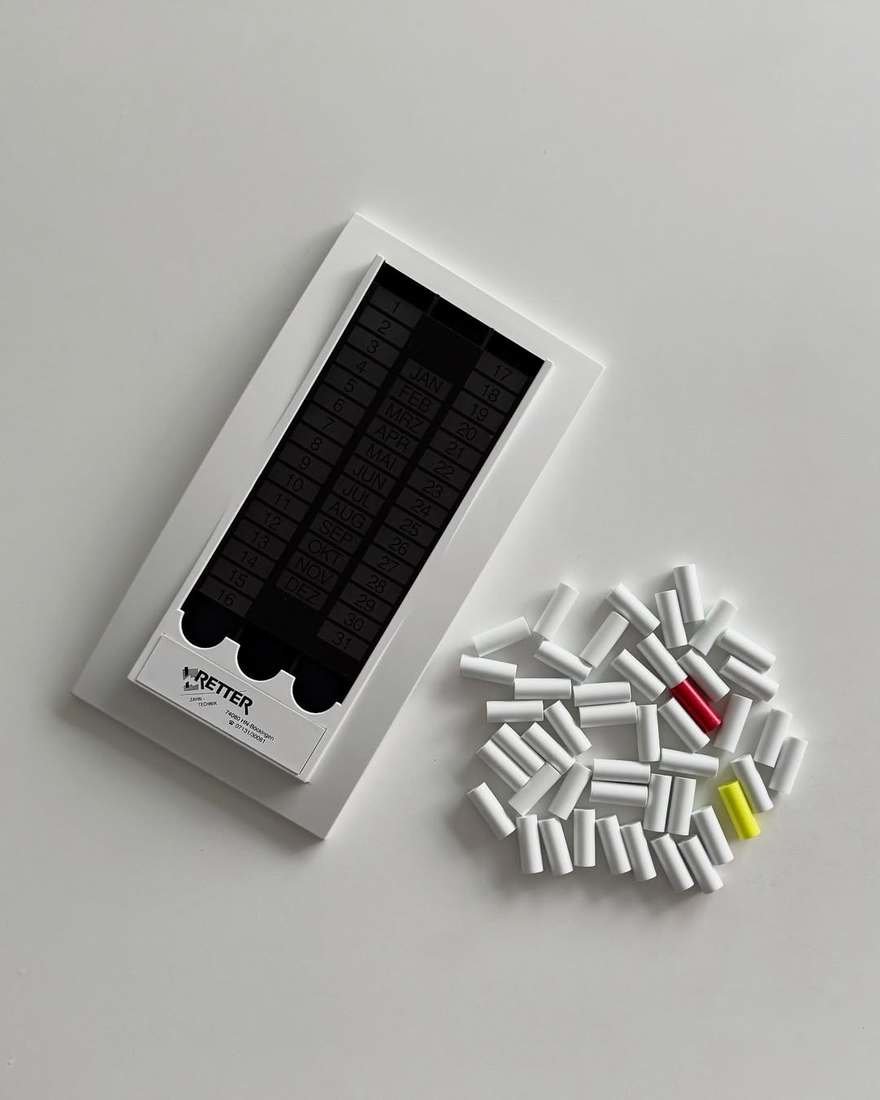 Image: Wertwerk
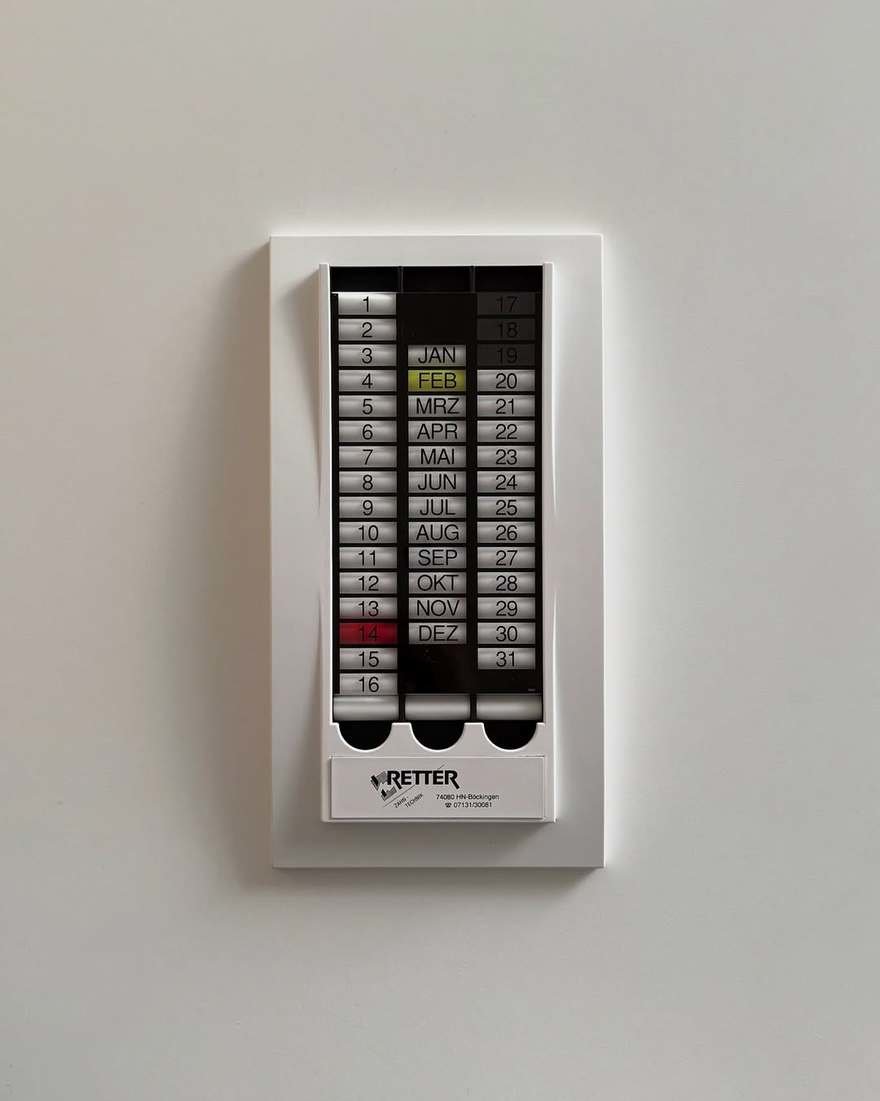 Image: Wertwerk
The calendar’s design is interactive. It consists of several dozen white plastic cylinders, as well as one red and one yellow cylinder. Each day the user removes a cylinder from the relevant column, allowing the red cylinder to mark the date. Once a month, they do the same with the ‘month’ column.
(If you’re wondering why the cylinders briefly appear to defy gravity in the video above, that’s because in that shot, the unit is placed flat on a table.)
The branding you see on the bottom of the unit isn’t for the manufacturer, but the client; Retter Zahn-Technik was a dentist’s office.
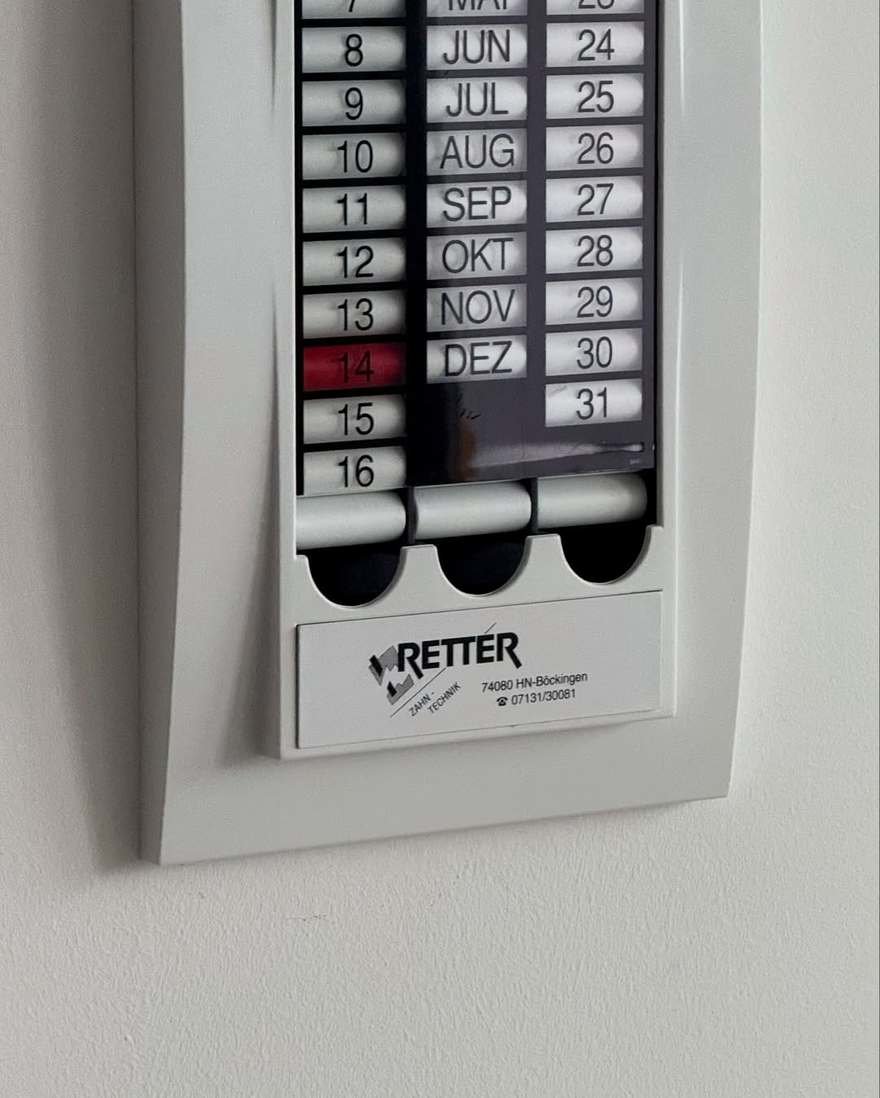 Image: Wertwerk
Which leads us to Berendsohn’s deal: As West Germany’s economy took off in the 1950s, company boss Günther Berendsohn—a Holocaust survivor—spotted an opportunity. As the economy prospered, the country had become crowded with advertising. Berendsohn recognized that a better way for companies to cut through the signal noise, was to give away well-designed promotional objects with the client’s branding on them.
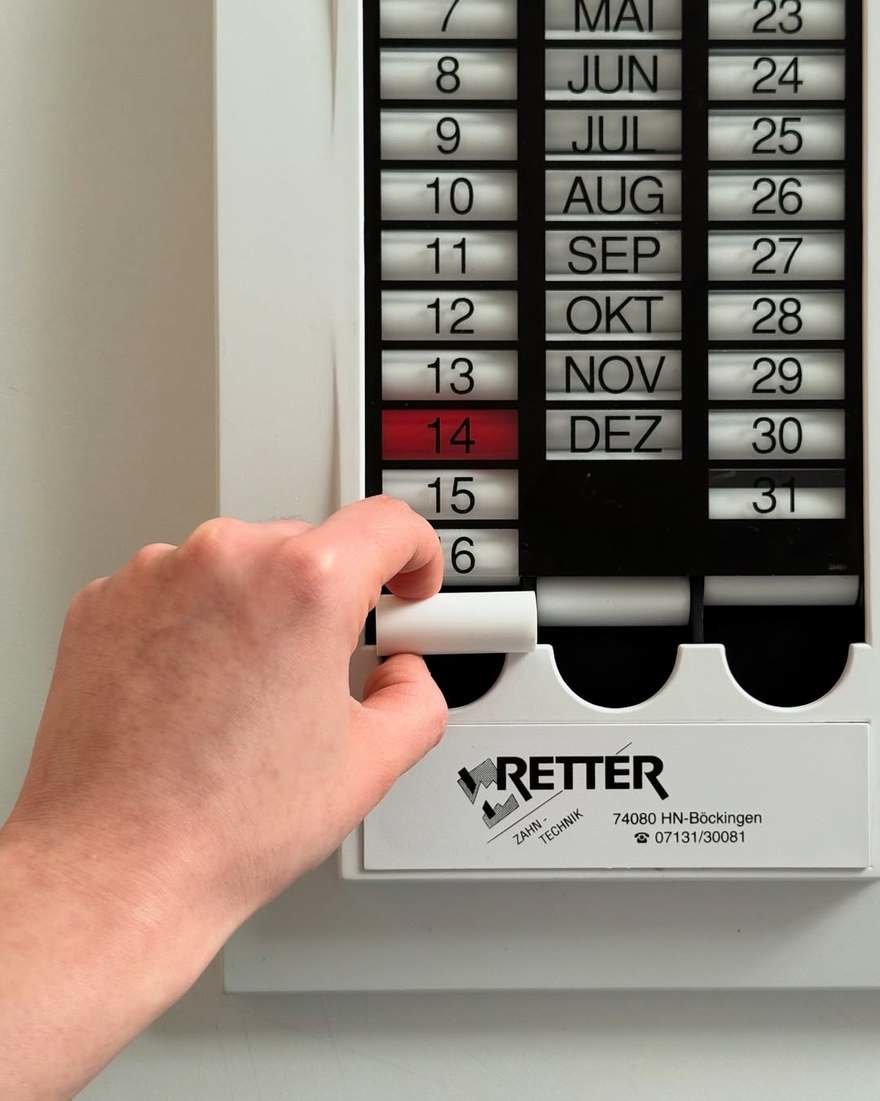 Image: Wertwerk
Berendsohn shrewdly targeted useful objects that people would interact with daily: Calendars, coffee mugs, key racks, fountain pens, salt-and-pepper shakers. By manufacturing durable, long-lasting items with unique designs, the company prospered, reaching around 100 million Deutsche Marks (USD $55 million) in sales by the 1980s.
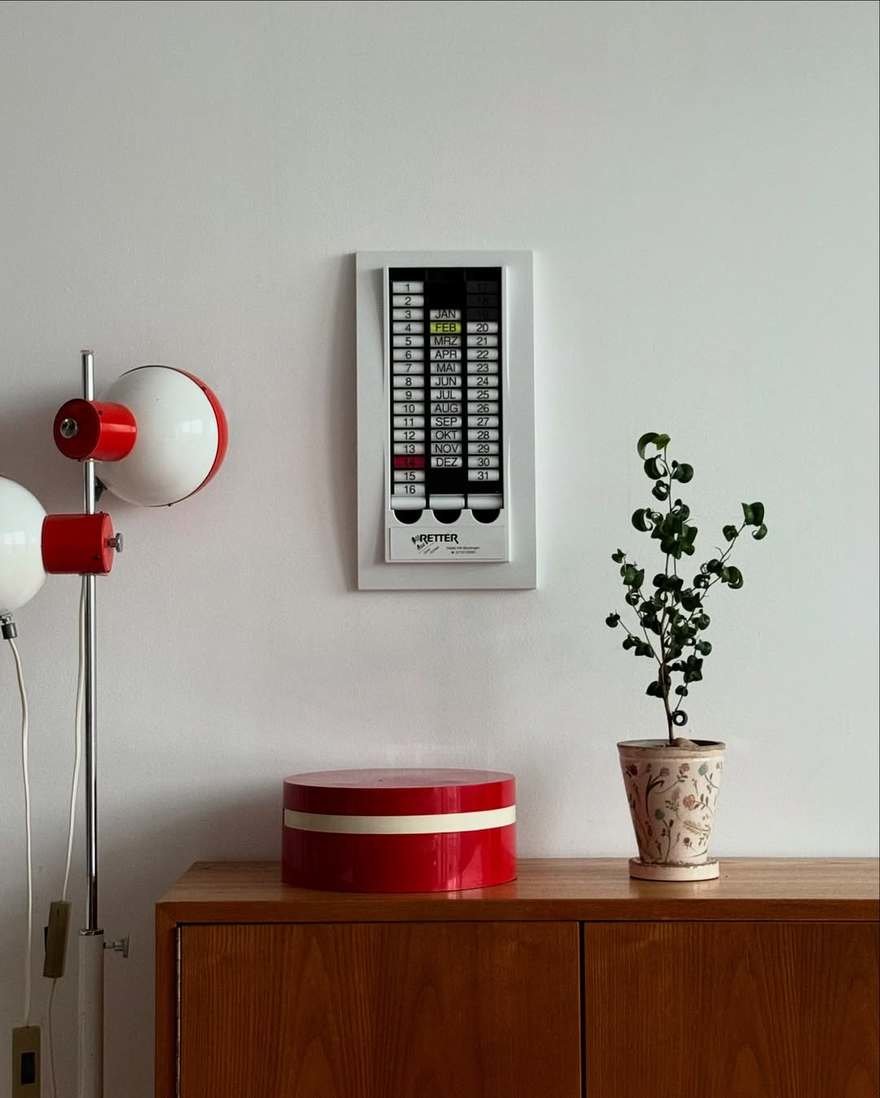 Image: Wertwerk
The company still exists today, though sadly, the calendars are gone.