
Electricity usually powers machines, not microbes. But scientists are discovering that some bacteria can plug directly into solid surfaces and pull in electrons.
The bacteria use that energy to turn carbon dioxide into useful chemicals, potentially offering a new way to store renewable energy in chemical form.

In a new study, researchers identified a soil bacterium that draws electricity from minerals or electrodes and converts carbon dioxide into acetate, an important industrial chemical.
Even more unusually, the microbe can move electrons in both directions, switching between releasing and absorbing electricity as conditions change.
Microbe moves electrons both ways
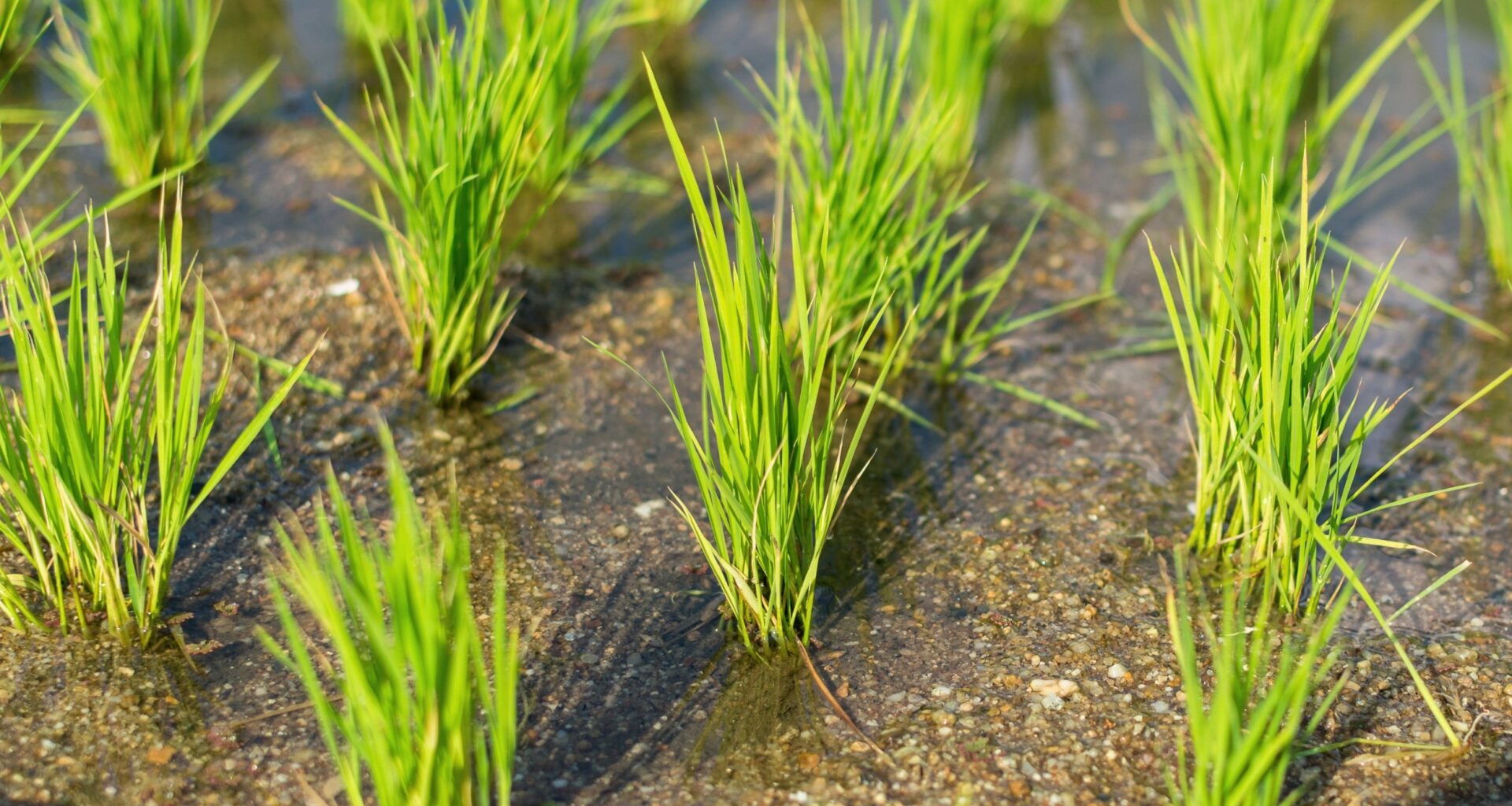
From rice field soil, the microbe Fundidesulfovibrio terrae revealed an unexpected electrical versatility when brought into contact with solid minerals and electrodes.
Working with controlled electrodes, Dr. Yong Yuan at Guangdong University of Technology (GDUT) documented electrons flowing out of the cells and then back in again as the bacterium switched metabolic modes.
Instead of relying on dissolved chemical intermediates, the organism exchanged charge directly with solid surfaces, sustaining measurable electrical activity in both directions.
That reversibility established a rare biological capacity that now demands closer examination of how one microbe manages opposing electron flows without losing energy.
How cells move electricity
Some bacteria treat minerals and metal surfaces as partners in their energy business, swapping electrons across the boundary.
Researchers call this extracellular electron transfer, the movement of electrons between a cell and a solid surface outside the cell.
In some cases, the same microbe can push excess electrons outward, then pull electrons inward again when energy sources become scarce.
Because few species manage both directions, engineers can study this strain to build steadier electrode-based reactors that waste less power.
Microbes reduce iron directly
Inside laboratory bottles, the bacterium attached itself directly to iron minerals and began changing their chemistry without any added helper chemicals.
Rather than relying on dissolved molecules to shuttle electrons back and forth, the cells pushed electrons straight into the solid mineral, leaving behind less reactive iron.
Over seven days, the process achieved a 68.3 percent reduction rate – an impressive result for a newly isolated strain.
This kind of direct contact matters in natural sediments, where microbes sitting on mineral surfaces can quietly shape how metals cycle through the environment.
Biofilms power steady reactions
On graphite electrodes, the cells formed a dense living layer that stayed attached even as conditions changed.
That biofilm, a packed community stuck to a surface, kept electrons moving between the metal and the cells.
During tests, the same microbe produced steady current from the attached layer across more than one electrode setting.
Stable attachment matters for any future reactor, because cells that fail to cling to a surface are carried away before they can sustain meaningful chemical production.
Electricity fuels carbon capture
With an electrode supplying electrons, the bacterium used carbon dioxide as its only carbon source and still made acetate. Inside a microbial electrosynthesis – a setup where microbes build chemicals from electricity – acetate rose to 11.05 millimolar.
Carbon dioxide entered the cell and moved through a chain of reactions that ended with a two-carbon product. That chain is the Wood-Ljungdahl pathway, a reaction route that builds acetate from carbon dioxide using donated electrons.
Using incoming electrons, the bacterium converted carbon dioxide into acetate as its main product instead of channeling that carbon into new cell growth.
Linking this pathway to electricity meant the cell could keep fixing carbon even when organic food was scarce.
“This microorganism demonstrates an exceptional ability to harvest energy directly from electrical sources and channel it into carbon metabolism,” said Dr. Yuan.
“Its metabolic flexibility provides a new biological platform for linking renewable electricity with carbon recycling.”
Molecular wires inside microbes
At the cell boundary, specialized parts carried electrons outward to a surface and inward again when the electrode fed energy.
Moving electrons across membranes relied on c-type cytochromes, heme proteins that move electrons through membranes during both electrical modes.
Genome clues also pointed to hair-like filaments that helped the biofilm share charge with nearby solids.
In waterlogged soils and muddy environments, these bacteria often thrive when oxygen runs out and many other microbes cannot survive.
Their group, sulfate-reducing bacteria – microbes that use sulfate instead of oxygen – usually push electrons toward sulfur compounds.
This new strain expanded that picture by showing that electrical lifestyles can appear in microbes known for sulfur chemistry.
Seeing that flexibility in a common soil lineage suggests that electric microbes may hide in more places than expected.
Scaling microbial power systems
Back in 2010, experiments with Sporomusa ovata showed that electrode-fed carbon dioxide could become acetate, proving the concept worked.
Modern reactors, however, still face major hurdles, including slow electron delivery, rising acidity, and product build-up that can choke the microbes.
A 2017 effort used flowing reactors to raise acetate output and improve energy efficiency, but the system remained far from industrial scale.
Adding a two-way sulfate reducer expands the biochemical toolbox, yet engineers must still balance speed, purity, and cost in real-world manufacturing systems.
Bringing electricity and carbon recycling into a single microbe opens a new path for storing renewable power as chemicals without relying on additional fossil fuels.
Future work will require long-duration reactor runs, tighter control of side reactions, and careful monitoring to ensure acetate remains the dominant product as the technology moves toward large-scale deployment.
The study is published in the journal Energy & Environment Nexus.
—–
Like what you read? Subscribe to our newsletter for engaging articles, exclusive content, and the latest updates.
Check us out on EarthSnap, a free app brought to you by Eric Ralls and Earth.com.
—–