
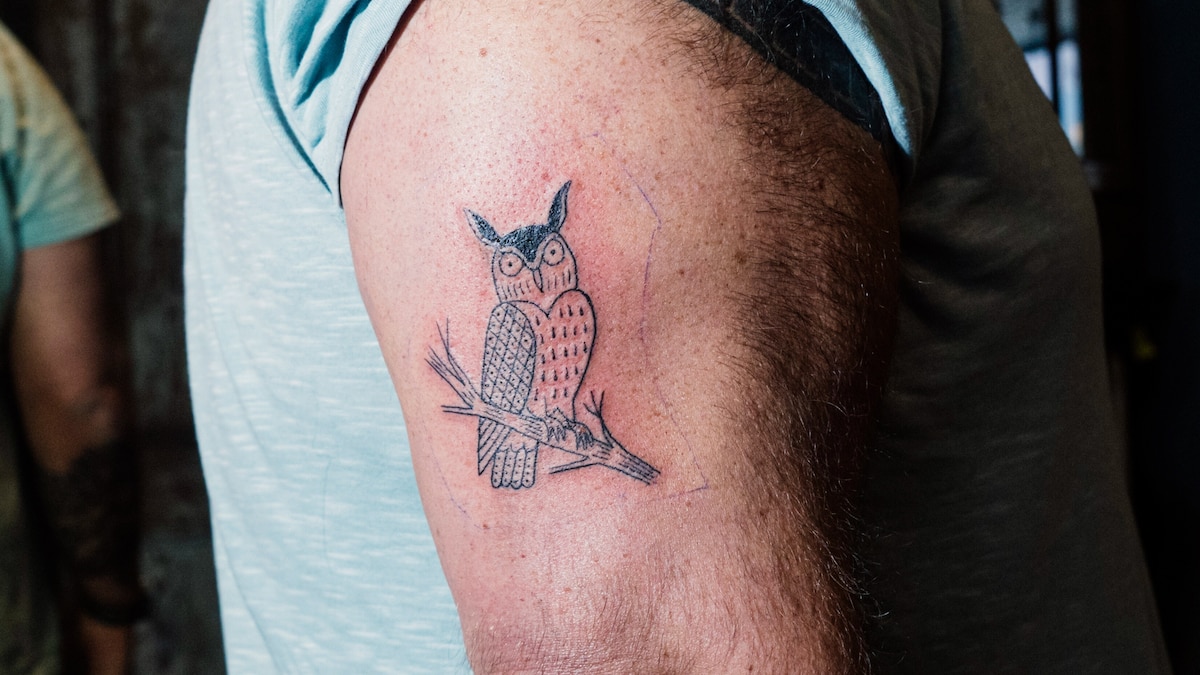
“People should not panic but they should better understand the nature of tattoo ink and the types of heavy metals and other carcinogens in those inks,” says Christopher Bunick, an associate professor of dermatology at the Yale School of Medicine.
Whether you already have a tattoo or are thinking of getting one, here’s what scientists are learning about the long-term effects tattoo ink can have on the immune system, whether the size of a tattoo matters—and why getting one removed isn’t the answer.
Mysterious mechanisms behind the link
Experts don’t fully understand the underlying mechanisms linking tattoos to an elevated cancer risk, but there are several widely accepted theories about what may be going on.
For one thing, even though tattoos appear on the skin, they are more than skin deep. When ink is injected deep into the skin, over time tiny particles can travel through the lymphatic system and end up in the lymph nodes; this can lead to hidden inflammation.
“Your body recognizes the ink as foreign substances and activates the immune system to try to remove it,” explains Christel Nielsen, coauthor of the Lancet study and a researcher in the division of occupational and environmental medicine at Lund University in Sweden.
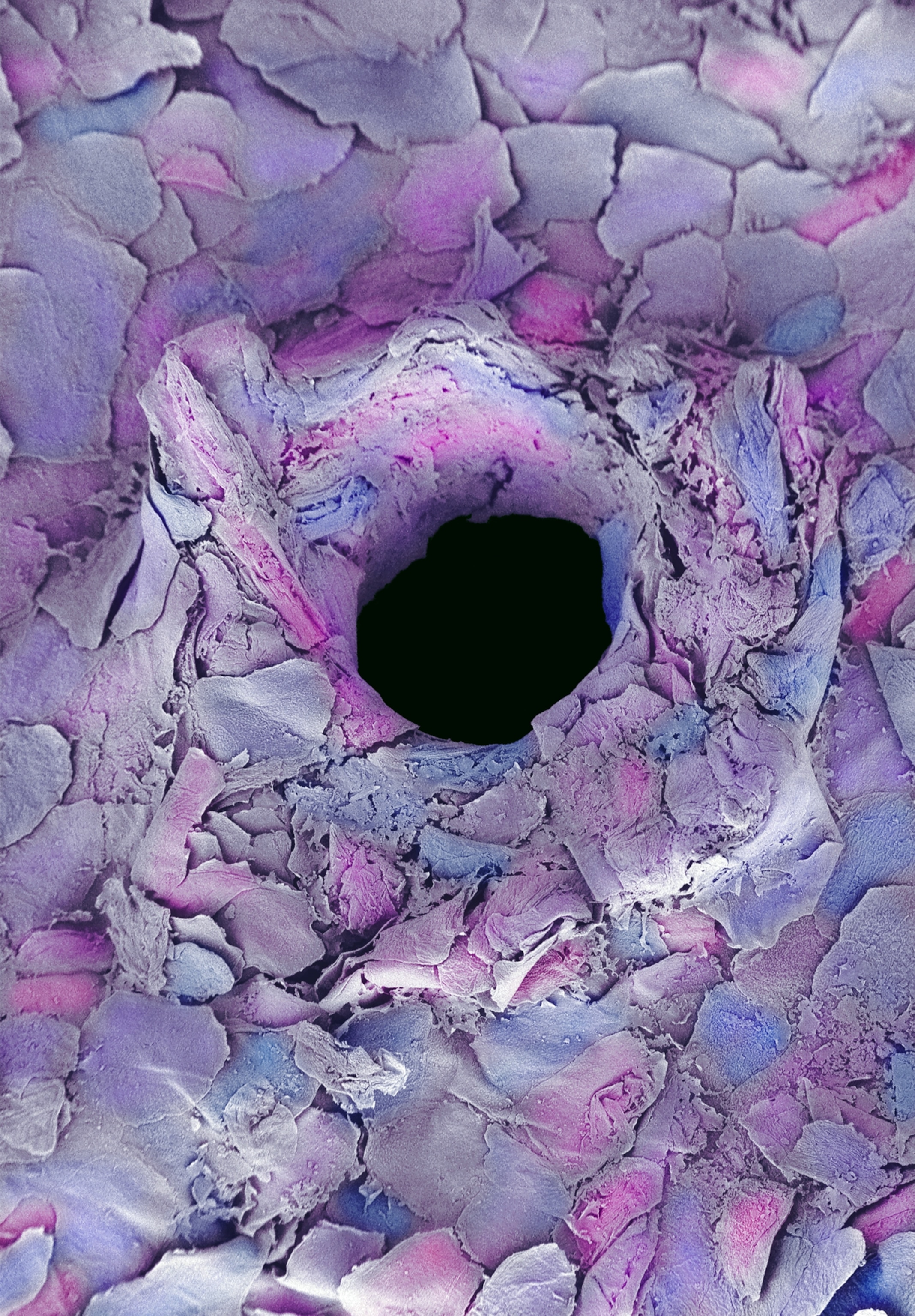
This image is a colored scanning electron micrograph of the hole created by tattoo needle in the epidermis, or top layer, or human skin. To make tattoos permanent, tiny needles are used to punch through the top layer of the skin and into the next layer (dermis).
Anne E. Weston, Science Photo Library
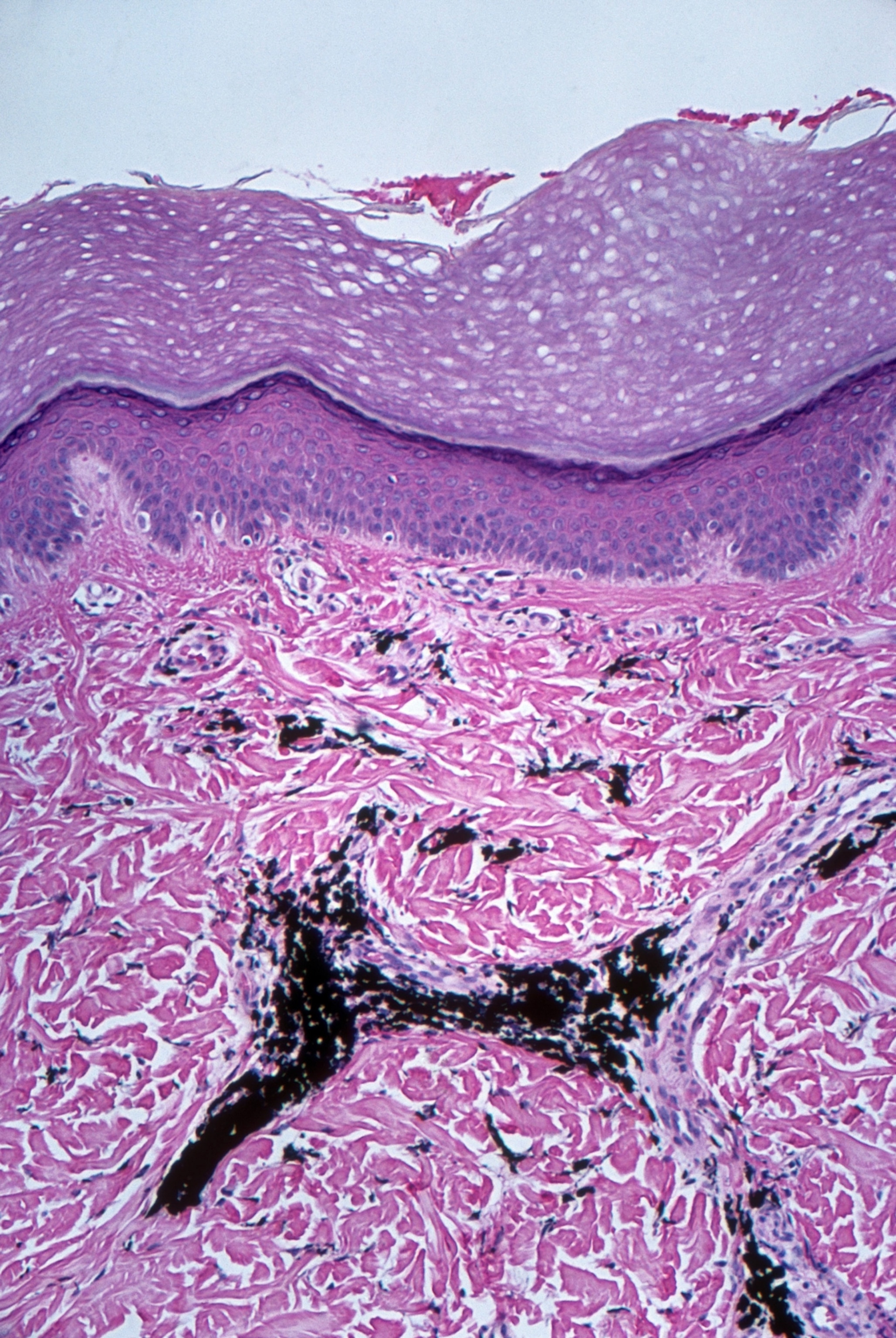
Unlike the epidermis (purple), the dermal layer (pink) of the skin is not shed when skin is tattooed. The injection of the pigment (black) triggers an immune response that results in the pigment becoming trapped inside fibroblast cells (light purple). This is what makes a tattoo permanent—and may also be why tattoos are linked to immune system changes.
Michael Abbey, Science Photo Library
In a study in a November 2025 issue of PNAS, researchers gave mice tattoos on their footpads, using black, red, and green ink, then monitored how the ink was transported by the lymphatic system and accumulated in lymph nodes. They found that the ink is retained in certain immune cells called phagocytes within lymph nodes, and the phagocytes die and trigger a long-term inflammatory response. What’s more, when the mice were given two different types of vaccines (for COVID-19 and influenza), the tattoo ink at the vaccine injection site altered the immune response to the vaccines.
There are other factors at play. For one thing, tattoo inks contain various chemicals and some of these may be carcinogenic, meaning they’re linked to causing or increasing the risk of cancer. For example, black inks may contain chemicals called polycyclic aromatic hydrocarbons, which may increase cancer risk, and red ink may contain azo dyes that can break down into compounds that may cause cancer under UV light exposure, says Matthew Cortese, a lymphoma specialist at the Roswell Park Comprehensive Cancer Center in Buffalo, New York.
(Colon cancer is rising in young people. Finally, scientists have a clue about why.)
In addition, some tattoo inks may contain heavy metals—such as lead, cadmium, mercury, and others—that are known to be toxic, as well as solvents and other additives like formaldehyde and phenol, which are associated with allergic reactions, notes Kelly Johnson-Arbor, a physician and toxicologist at MedStar Georgetown University Hospital in Washington, D.C. “
“This deposition of ink and metals triggers three responses that are well-recognized risk factors for cancer—chronic immune [system] activation, oxidative stress, and abnormal growth of white blood cells called lymphocytes,” says Joe K. Tung, medical director of Falk Dermatology at the University of Pittsburgh Medical Center. Oxidative stress, which may be triggered by introducing foreign substances into the skin from tattoo ink, can damage tissue and increase cancer risk; by contrast, when lymphocytes grow in an uncontrolled way, they can turn into cancerous cells and tumors can form.