
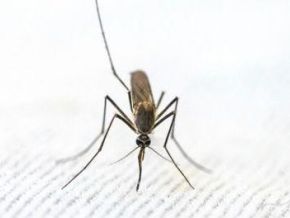
Benin plans to establish a National Agency to Combat Malaria and Mosquitoes.
Malaria remains endemic, with high infection and child mortality rates.
The country introduced a malaria vaccine in 2024 as part of a broader response.
Benin’s government plans to create a National Agency to Combat Malaria and Mosquitoes, according to a statement issued after the Council of Ministers meeting on February 18.
The eradication of malaria is described as “a top public health priority,” the statement said. To improve the effectiveness of its response, the government intends to establish a specialized, flexible, autonomous body tasked with leading a coordinated, innovative, and integrated fight against malaria and mosquitoes.
The agency will be responsible for designing, implementing, and evaluating mosquito control programs. It will also work to reduce the incidence and mortality of mosquito-borne diseases, promote research and innovation in vector control, and raise public awareness about preventive behaviors and available treatments.
Malaria remains one of the country’s most pressing health challenges. The disease is endemic and carries serious economic, social, and health consequences. It is among the leading causes of illness and death, particularly among children under five and pregnant women.
According to the National Malaria Control Program (PNLP), in 2023, new cases affected 17% of adults and 39% of children under five. The mortality rate was estimated at about 106 deaths per 100,000 children. The situation imposes significant socioeconomic costs on households and places additional strain on the health system.
Vaccination has emerged as a complementary strategy alongside existing prevention measures. In April 2024, Benin introduced the malaria vaccine into its Expanded Program on Immunization to reduce child mortality and protect pregnant women. The pilot phase, implemented in 16 of the country’s 34 health districts, targeted about 104,841 children aged 6 to 18 months.
Lydie Mobio