
Walking the coastal path, I stopped to scan the flooded horse paddock for the kingfisher reported there in recent days. Three grey herons loitered along the fence line, hunchbacked and watchful. Where shallow pools had formed, teals dabbled and drifted in loose rafts, while a dozen little egrets fed on the margins, using their yellow feet to stir up the mud and flush out small invertebrates before snapping them up with their rapier-like bills.
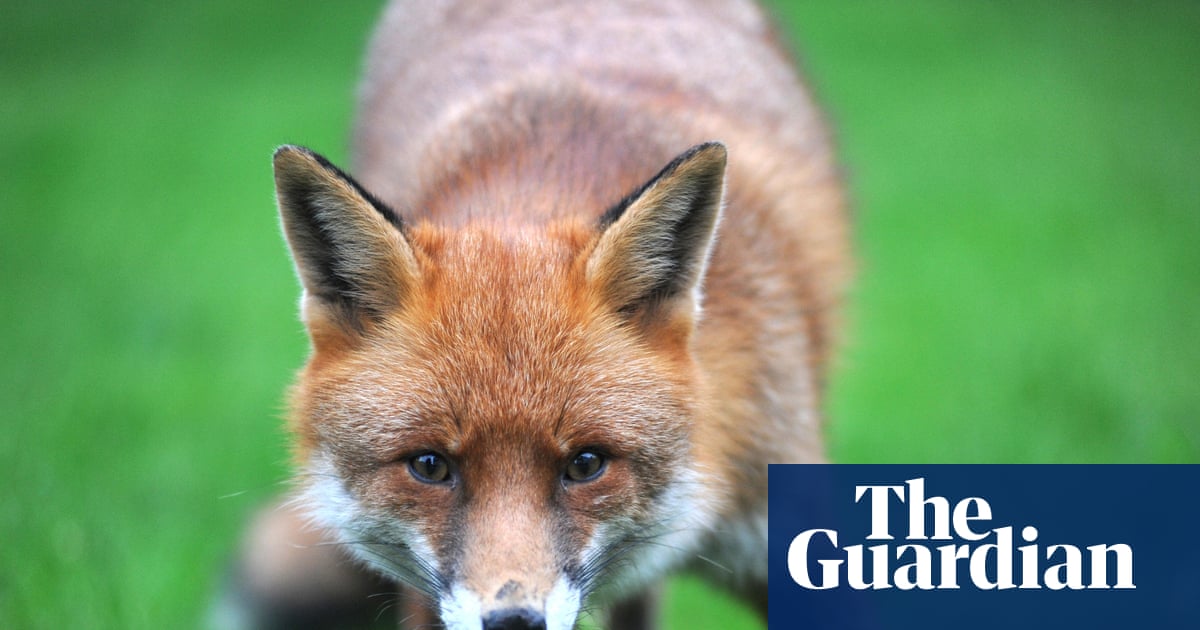
The hoped-for flash of iridescent blue failed to materialise, but a russet streak caught my eye on the far edge of the field – a female fox, lean and alert. As I watched, I realised she was being followed by another – a thickset, wolfish dog fox with a grizzled coat. The vixen slowed, turned, dropped her forelegs to the ground and raised her rump, holding the pose briefly before springing away.
The gesture was reminiscent of a domestic dog’s play bow, but here was unmistakably a courtship invitation. She approached the male, her mouth slightly open – the vulpine version of a come-hither smile – gave a brief shake of her head, then darted off again.
At this time of year, dog foxes closely shadow receptive females. This is the long prelude to a brief opportunity. The vixen’s fertile window lasts only a few days, and missing it would mean waiting another year. Foxes rarely take more than one mate in a season and, particularly in sparsely populated areas, the same pair may stay together for several years.
Mating is quick, before the foxes become locked in a copuatory tie. Photograph: Imagebroker/Alamy
The pair circled and chased, paused to groom, then tumbled together in a brief bout of wrestling. When the male pressed closer, the vixen rolled on to her back, exposing her belly in a gesture of submission, then flipped over and was up and running again. This flirty, high-energy play is how foxes test and reinforce their bond.
The vixen dropped into another deep bow. This time, she held it. The dog fox took his chance and mounted her. After mating, they tried to part, but when the male twisted round, they found themselves locked together, rear to rear, in a copulatory tie – a strange, involuntary canid reproductive mechanism designed to maximise the probability of successful fertilisation.
Under the Changing Skies: The Best of the Guardian’s Country Diary, 2018-2024, is available now at guardianbookshop.com