
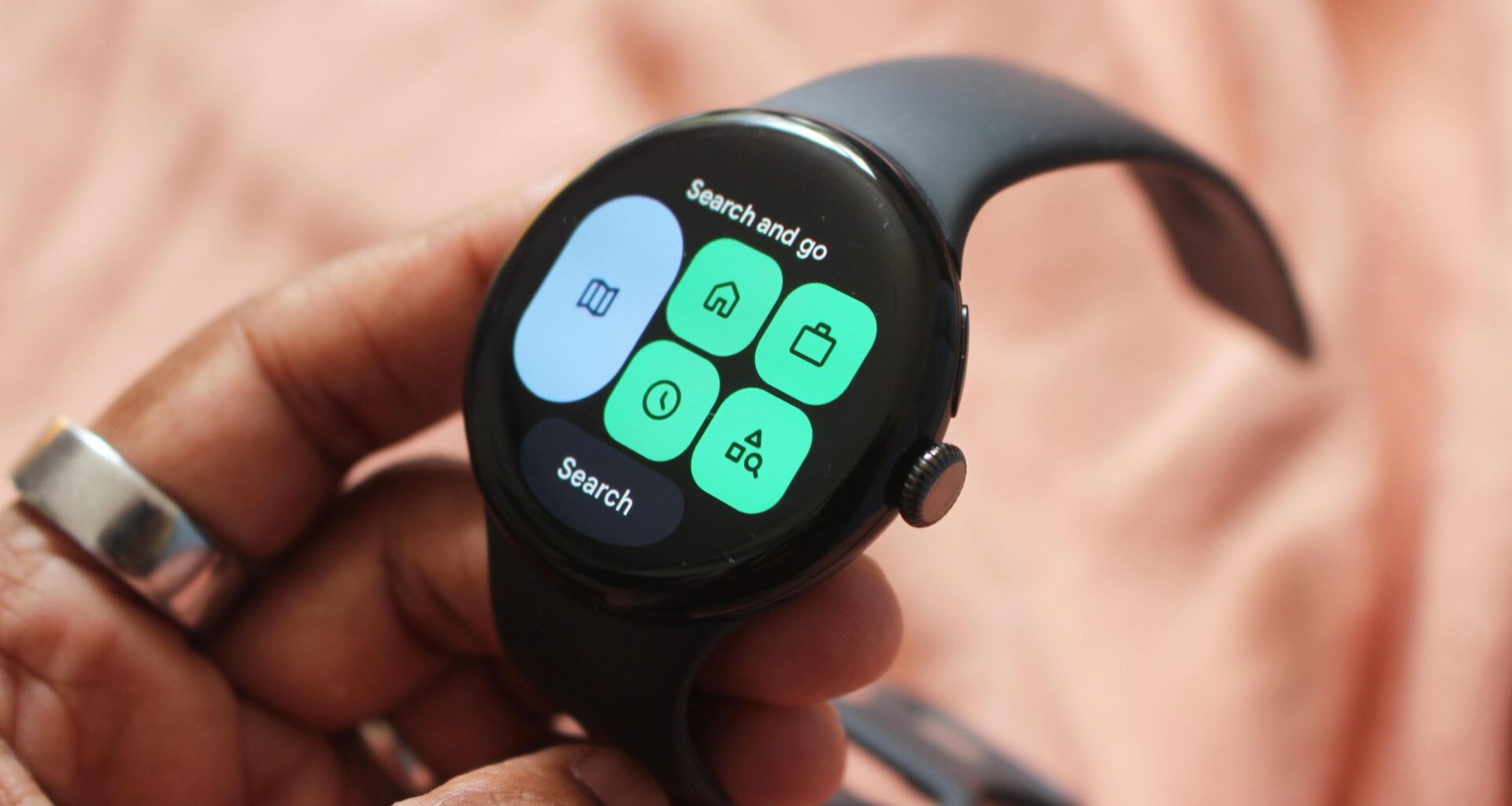
I’ve made no secret of the fact that I have a very weird relationship with the best smartwatches since they first hit the market. I know there are times when having a miniature screen on your wrist can prove convenient, but I’ve never found them particularly interesting or useful. Certainly not in the same way as a smartphone.
I genuinely gave using a smartwatch a real shot, having purchased a Pixel Watch 3 back in late 2024. But by the time it came to the first anniversary of that purchase, I’d already stopped using it. Having a baby meant my routine was messed up for weeks after, and I eventually just took the watch off during one mid-day nap and never put it back on.
You may like
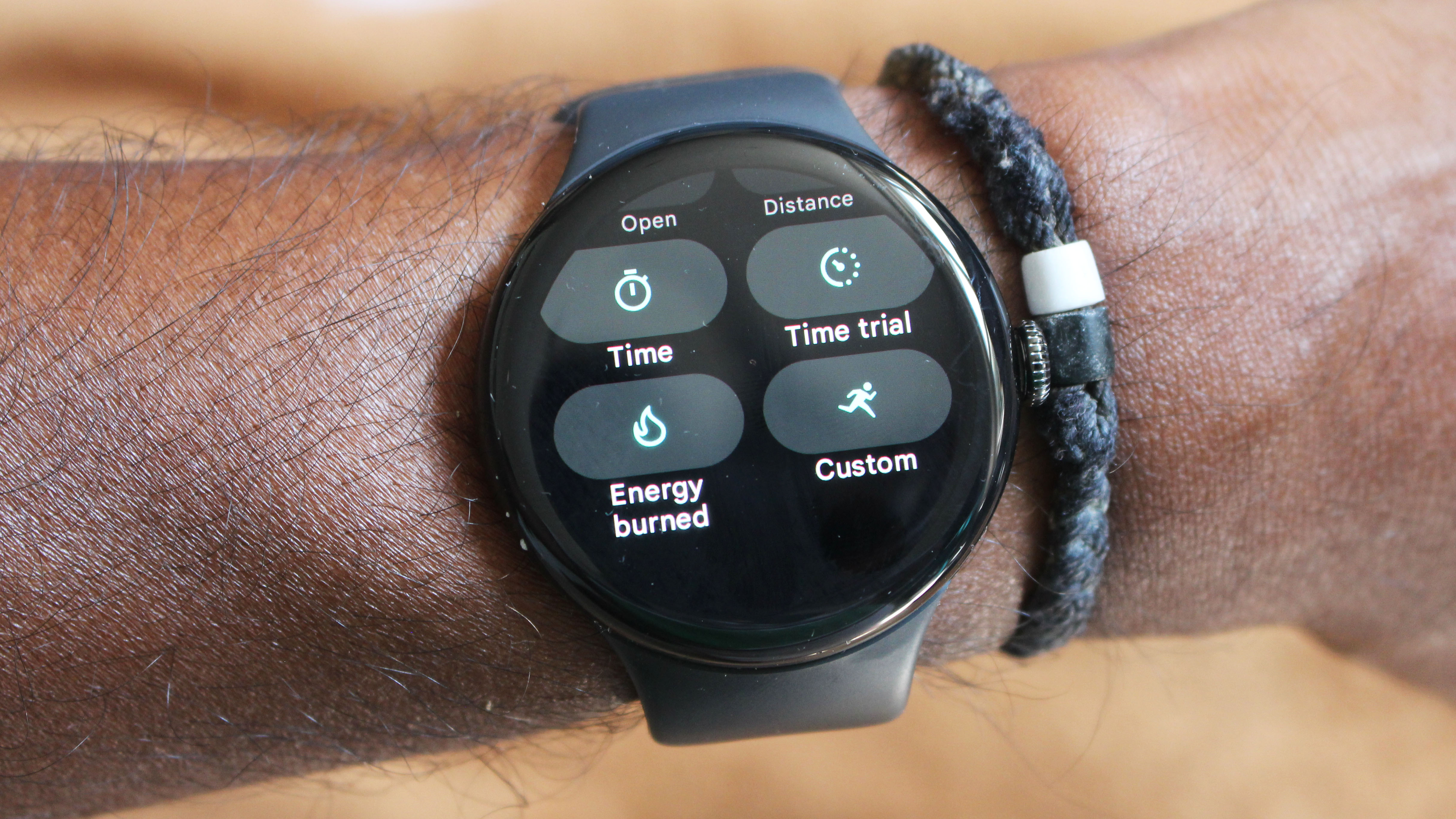
Fitness is the most I’ve gotten from wearables
(Image credit: Future)
Ok, I’m technically lying when I say I don’t miss it. I do still find myself absent-mindedly looking at my wrist to try and find out the time — only to realize my mistake and pull out my phone instead.
The reason I stopped wearing a watch in the first place was that my phone ended up replacing it. A smartphone that can tell the time, set alarms and do everything a smartphone can do made having a simple timepiece feel pretty redundant.
Over the years, it became clear that there were some things that smartphones couldn’t do. They’re really not that great at tracking fitness, for instance, whereas the fledgling wearables industry figured out that they could track all that vital information and beam it over to a phone app for analysis and safekeeping.
It actually works out really well, too. Over the years, I became quite keen on using wearable fitness trackers for this purpose. I may not be the most consistent gym-goer in the world, but when I do go, it’s really helpful to have some kind of metric telling me how much effort I’ve put into a workout. Even if it isn’t accurate, it’s still better than relying on the machines to do it for you.
Fitness trackers started basic, but ended up bigger and better, with a bunch more features that make them feel more like smartwatches than simple trackers. And yet, no matter how many times I upgraded and what options I had, I never really took advantage of them.
I did try, and on multiple occasions, but I always ended up just… not using those features. I don’t know why I thought having a smartwatch would be different, but I was willing to give it a go. Sadly, things didn’t really pan out any differently.
I’m too used to using my phone
(Image credit: Future)
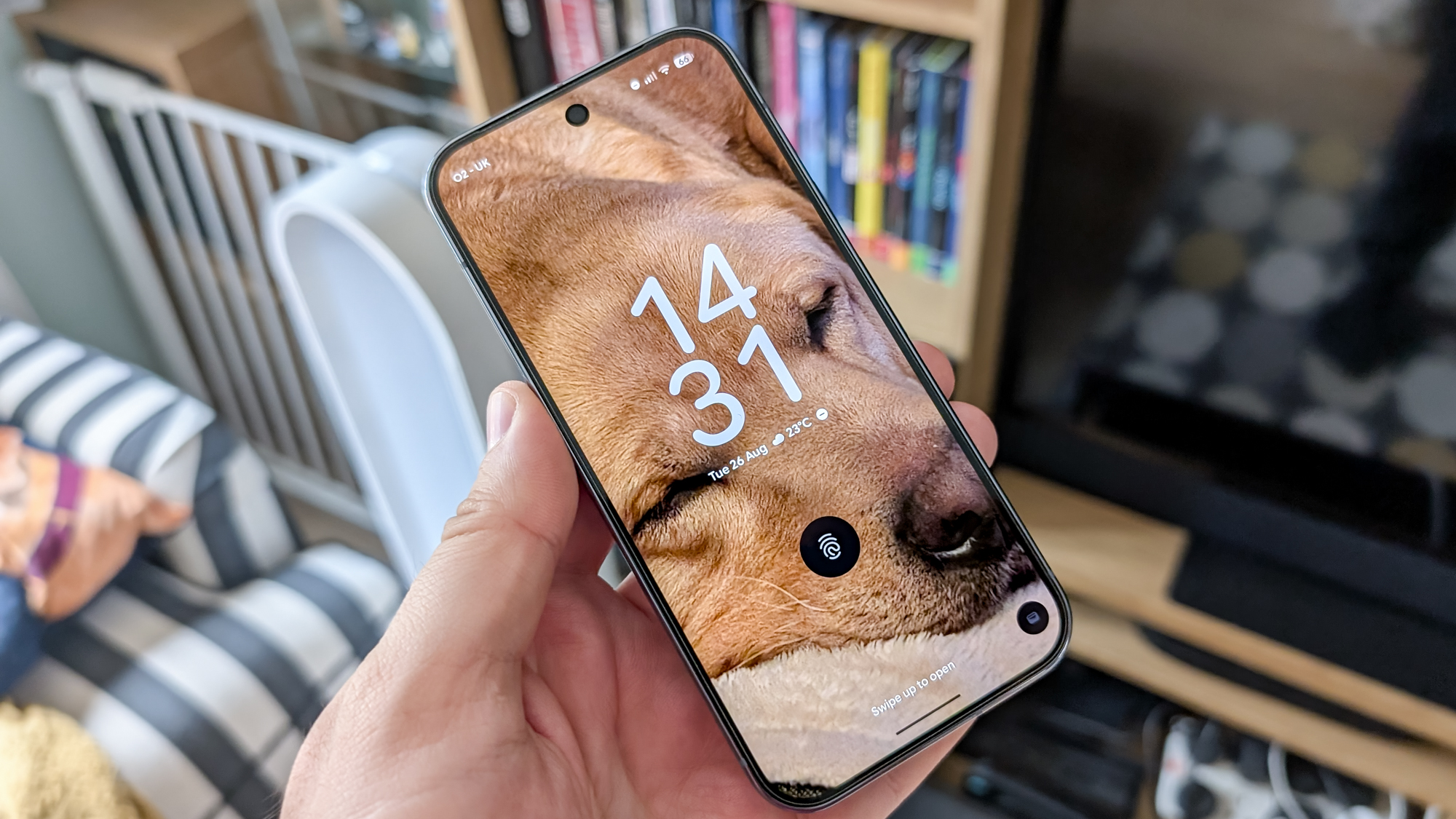
The main problem is that no matter what other devices are able to do, I’m way too used to using my phone to do everything. It’s the kind of stubborn adherence that stems from the fact that using my phone to do things works perfectly well, and the alternatives don’t really seem any more convenient.
You may like
Checking the time? Phone. Controlling music playback? Phone. Controlling smart home devices? Phone. When pulling out and unlocking my phone takes about two seconds, I’ve always been more comfortable doing things that way instead of navigating on a tiny wrist-display. Or using voice controls for that matter, but that’s a whole other story.
The smartphone is the ultimate utility, whereas a smartwatch is pretty much just an accessory that makes some things a little easier. Or so they say.
I’m already in the routine of using my phone for almost everything that isn’t work-related, and that means anytime something comes up, my first instinct is to reach for my phone and do it there. You’d have thought I would eventually adapt to using the device on my wrist at some point, but that still hasn’t happened. A smartphone is just too versatile for something else to replace it.
Admittedly, there have been a couple of instances where a smartwatch might have come in handy, had I been wearing it. Travelling through London was a good one, and with that many people around, holding your phone out for whatever reason is usually a bad idea. If I had my Pixel Watch on, I would have used that to check Google Maps and pay for the Underground instead. Using my phone worked, but it maybe wasn’t the most secure way of keeping hold of my belongings.
Likewise, I recently had the fun task of taking part in a family photo, which my dad was struggling to take with his iPhone. Considering he had both his knees replaced in the past few years, using the camera timer and running back into frame wasn’t really an option. I had to remind him that the Apple Watch Ultra on his wrist could handle everything for him while he remained on the couch.
I’d call these a matter of convenience, but not something you couldn’t work around without a wearable.
Bottom line
(Image credit: Tom’s Guide)
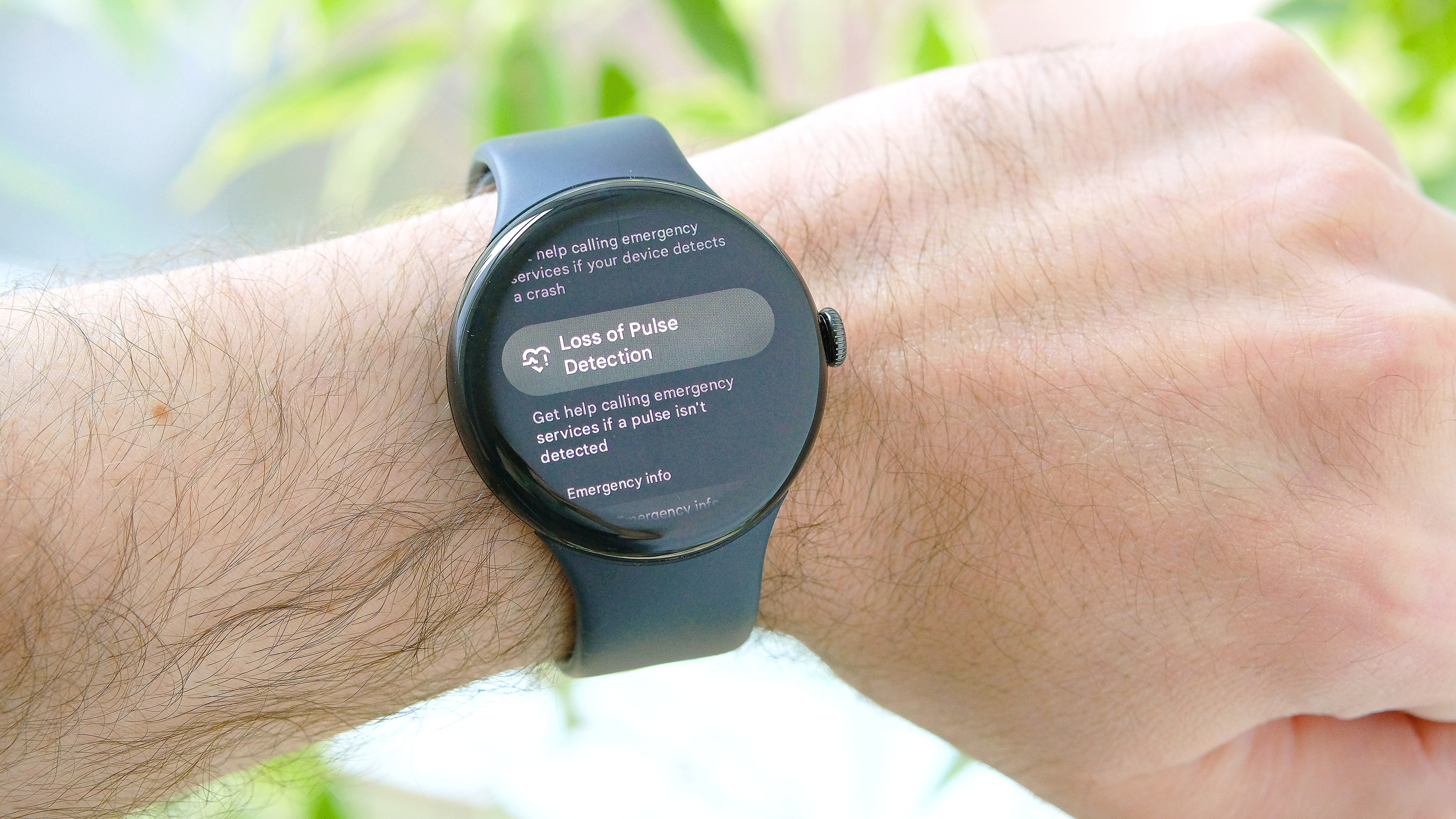
I’m sure once my son gets older, and my daily work and sleep routine returns to something approaching normality, I may end up wearing my Pixel Watch 3 a little more regularly. Especially if I manage to find time to do some proper exercising that involves something other than carrying around a tiny human. But I do not doubt that I won’t be making full use of my watch’s true capabilities the majority of the time.
For now, though, I’m certainly no worse off without my Pixel Watch 3 strapped to my wrist. I still have my phone, after all, and it can handle all the essential tasks just fine. Plus, I only need to worry about recharging one device a day, rather than two. Here’s hoping Pixel Watch battery life can advance enough to match Fitbit battery life in the near future.
Follow Tom’s Guide on Google News and add us as a preferred source to get our up-to-date news, analysis, and reviews in your feeds.
More from Tom’s Guide