
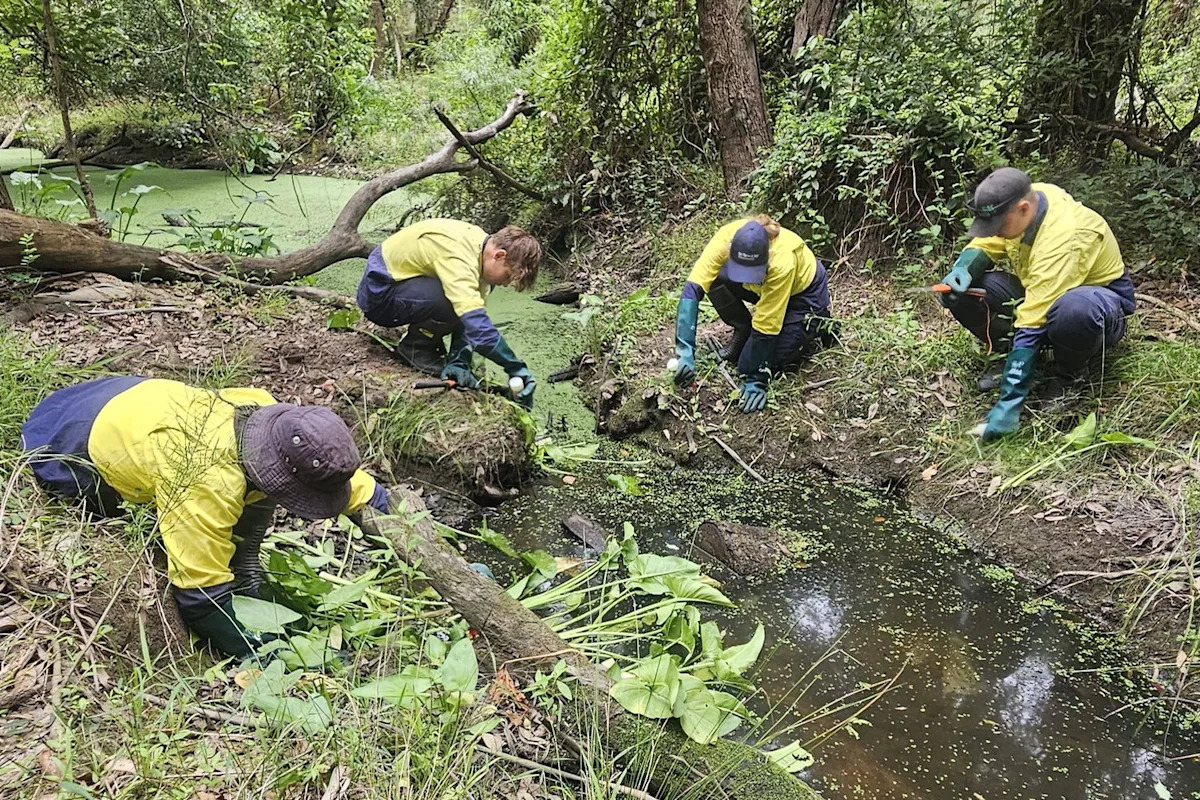
An invasive weed that has the potential to transform ecosystems has been found “in disguise” at a plant nursery in western Sydney. During an inspection of the business, authorities discovered the priority weed dressed as a bonsai.
With its bright green leaves and small orange flowers, you’d be forgiven for thinking lantana was a harmless and pretty plant. But it is poisonous to humans and animals if ingested, and can irritate eyes and skin if touched.
In NSW alone, the shrub costs landholders more than $22 million each year to control. It can spread quickly and climb up trees.
Chris Dewhurst from the Western Sydney Weeds Authority told Yahoo his team conducts around 120 inspections a year, and said it’s fairly rare to find an invasive weed for sale — particularly one disguised as a bonsai tree.
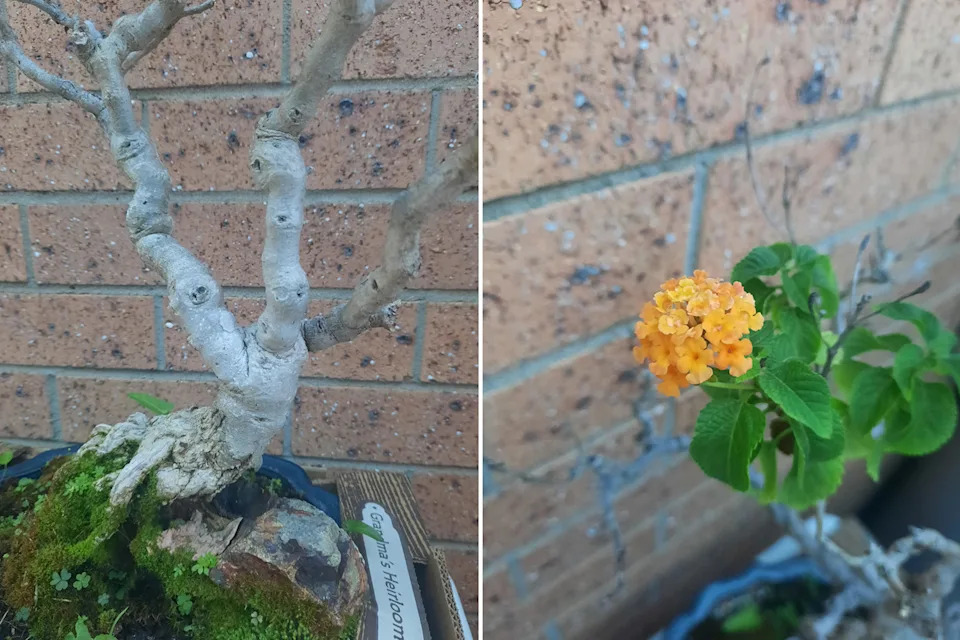
The lantana was in flower, meaning the seeds could easily spread. Source: Western Sydney Weeds Authority
“They were surprised and a little embarrassed,” he said of the nursery owners. “But they happily handed over the plant to us, so there were no issues.”
Chris said if an unassuming person had purchased the 30cm-tall lantana, it could’ve continued to grow larger.
“It’s also in flower at the moment, so even though it’s small, the seeds still could have dispersed, and then the seeds would have grown to fully grown plant.
“It’s just one of those things that shows how things can slip through, how plants can still look beautiful and nice, but they can still be a real menace,” he said.
“That’s where our role comes in to bridge that gap.”
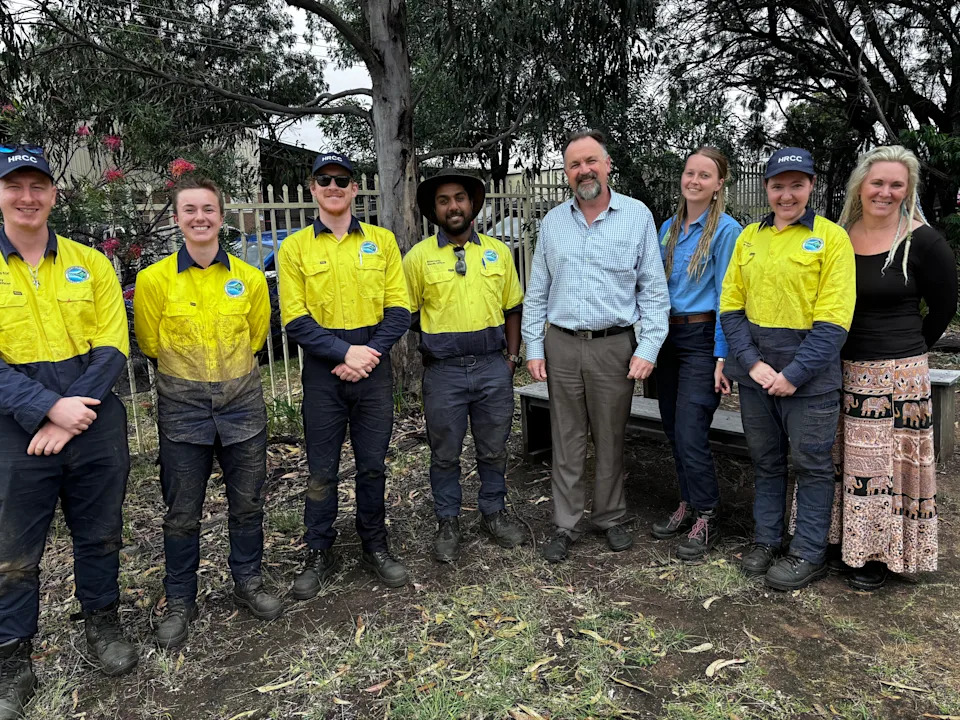
Chris Dewhurst said the Western Sydney Weeds Authority conducts around 120 inspections a year. Source: Western Sydney Weeds Authority
$1,000 fines in place for selling invasive weeds
To the untrained eye, the lone plant at the nursery could appear harmless — which exactly how its spread began in 1841 when it was brought into Australia as an ornamental plant.
“Once it establishes in the natural environment, it will completely out-compete the native shrubs. It has a really negative impact on biodiversity,” Chris said.
“Historically, nurseries have been responsible for bringing in lots of weeds into Australia. I think the statistic is around about 80 per cent of all weeds in our landscape originated in nurseries.
“They’re obviously doing the most amount of importing, however that industry has done a really good job of reforming itself over the last sort of 20 years or so.”
Chris said the types of weeds most commonly removed from nurseries included lantana, African olive and privet, but usually it’s not intentional.
Those found to be purposely selling priority weeds can face on-the-spot fines of $1,000 in NSW
Do you have a story tip? Email: newsroomau@yahoonews.com.
You can also follow us on Facebook, Instagram, TikTok, Twitter and YouTube.