
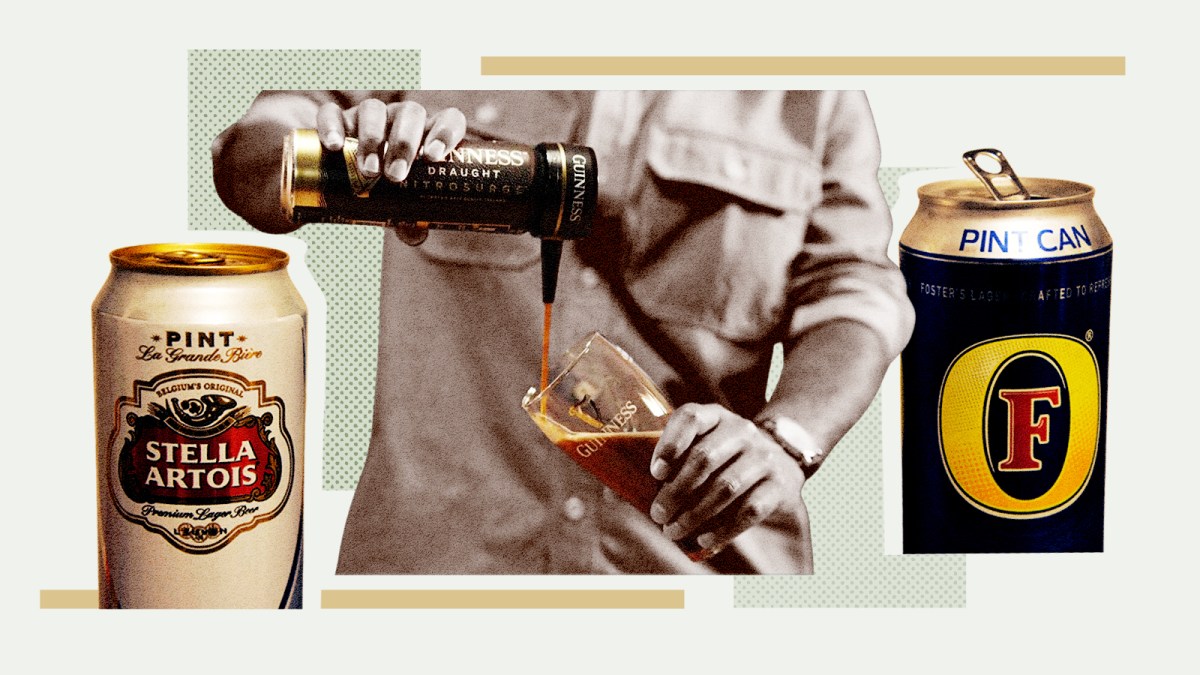
What’s more British than the traditional pint of beer? The pint is a British icon, and when we think of pints, we think of pubs. But these days you’re statistically more likely to be drinking beer at home. The share of drinking between pub and home now splits 40-60, which means you’re probably knocking back a 330ml or 500ml bottle, or a 330ml or 440ml can, rather than a classic pint.
If this doesn’t feel right, fear not — the pint-sized can is on the rise. Just the latest in a long line of brewers to join the trend, Scottish outfit BrewDog announced in recent weeks that it is launching its Lost Lager and Cold Beer brands in four-packs of pint — or 568ml — cans.
The reason seems obvious: beer should come in pints. If you have a pint glass at home (probably nicked from the pub) it’s nice to be able to fill it to the brim.
• Britvic acquisition pays off for Carlsberg as young cut out alcohol
But the real story is more complex than that.
In a country that still remembers pre-decimal days, why haven’t we always had pint cans? Well, pre-decimal, the combined weight of a 440ml can and its contents was exactly 1lb, so the shipping weight was easy to work out. Also, 473ml is an American pint — 16 fluid ounces compared with Britain’s 20. So it found new popularity when American-influenced craft beer arrived.
The 330ml measure came primarily from glass bottles, and was gradually adopted as a standard across Europe that felt like a good balance of volume and convenience. It was more manageable than a pint, and allowed international brewers some consistency across different countries. If bottles were 330ml, it made sense that some cans should be too.
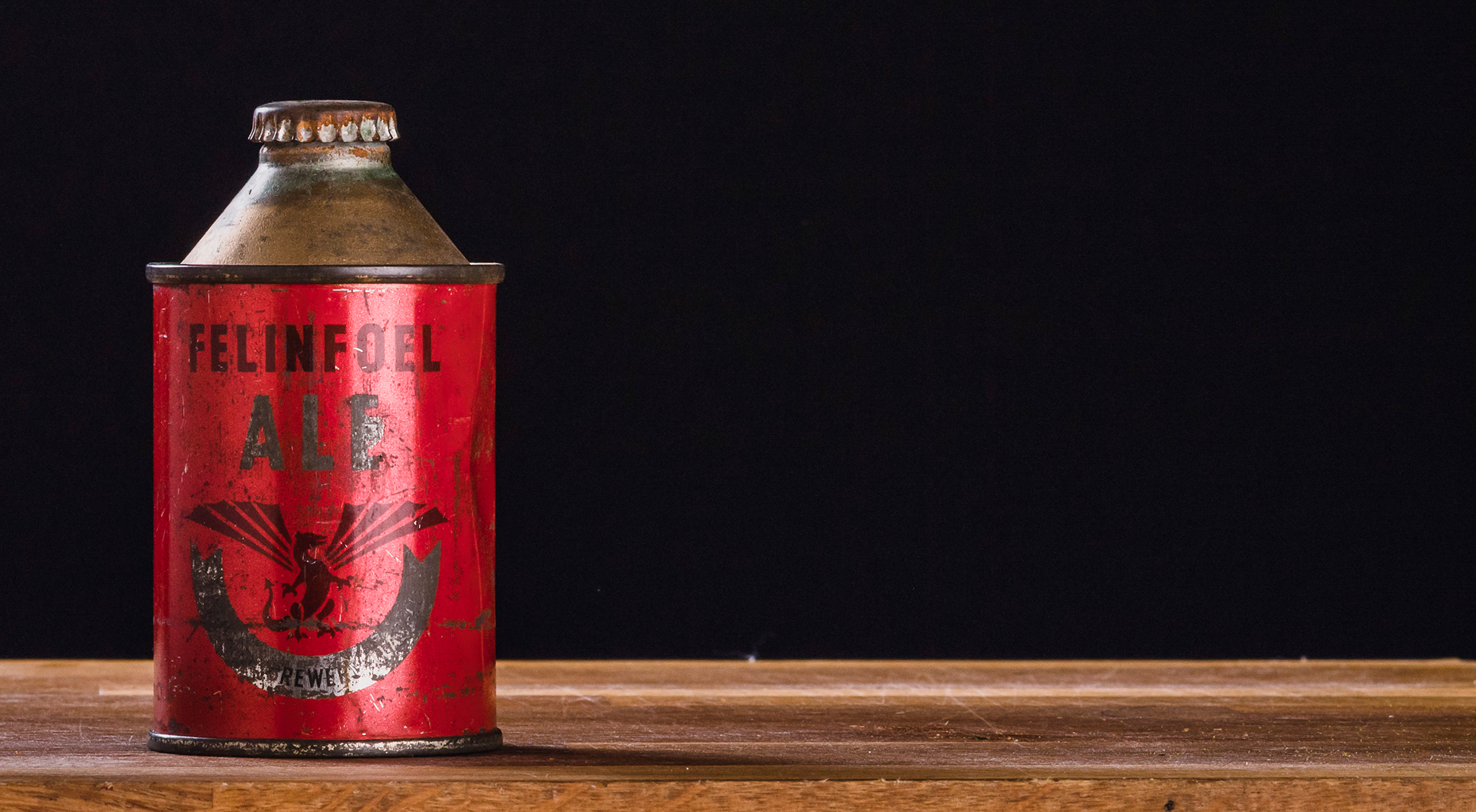
The original Felinfoel beer can
The British beer can is celebrating its 91st birthday this year; Welsh brewer Felinfoel launched the first ever canned beer outside the US in 1935. Initially there were problems with preserving the quality of the beer. This was solved by an internal lining, over what was then tin, now aluminium. But it wasn’t completely successful. Drinkers often found canned beer had a metallic note compared with bottled beers. Even when that lining technology improved, cans were still seen as an inferior format to bottles.
This changed, once again, thanks to the American craft beer revolution. While cans are still sniffed at by some older drinkers, craft made cans sexy. Instead of a small oval label, you could decorate the whole surface, leading to designs that bordered on high art. Cans are much lighter. They also keep beer fresher. The ultra-violet rays in sunlight attack the hop compounds in beer, creating “skunky” aromas. Green glass is better at shielding this than clear glass, and brown glass better still. But cans shield it completely.
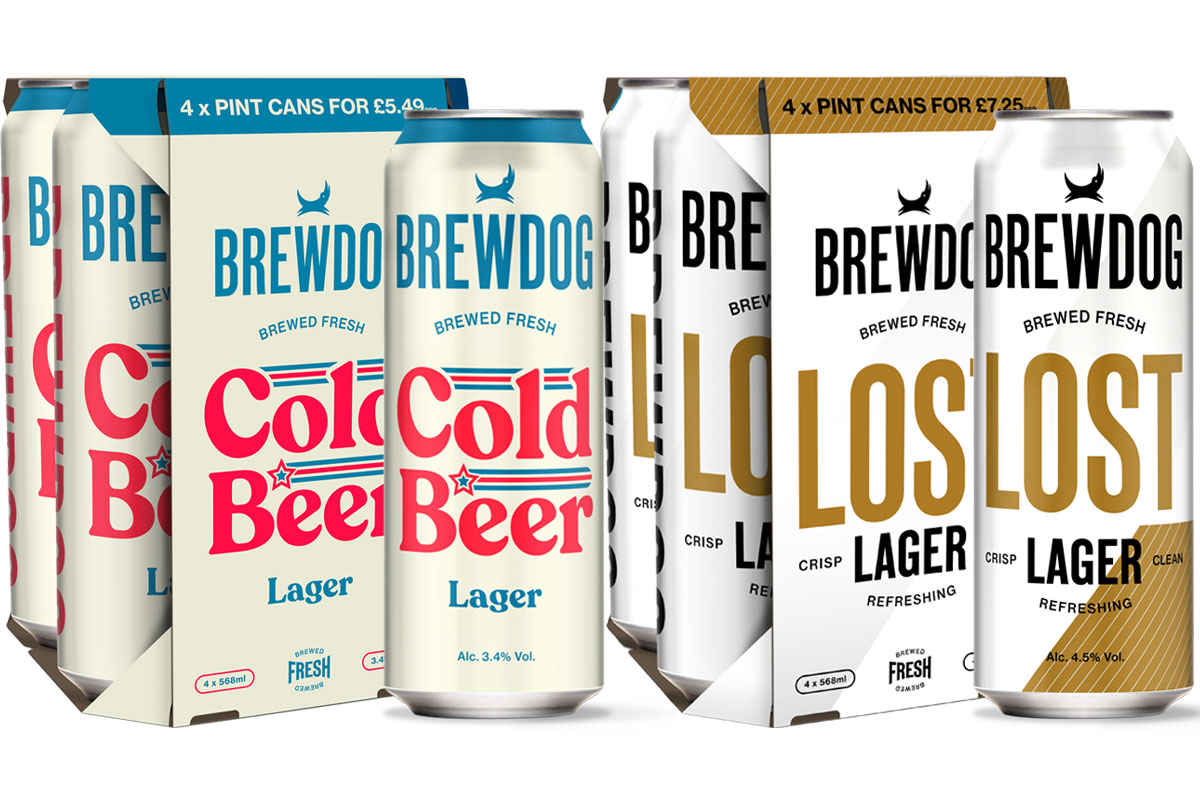
BrewDog has announced pint cans for Lost Lager and Cold Beer
All this means that the 440ml can currently rules the supermarket and shop beer world. But now there’s a new contender.
Rebecca Haigh is the director of strategic planning and innovation at Heineken, which means it’s her job to know what drinkers want. “The pint can has been big in the convenience sector for a long time now,” she says. “The 4-pack pint can is most popular format for lager buyers in convenience stores, growing at 9.4 per cent over the last year. People in convenience stores are usually on-the-go. The pint can feels like good value, especially as they’re quite often price-marked packs.”
This value deal seems important. We are spending less on alcohol, something which applies to our supermarket shopping too — beer sales at the supermarket were down £371 million to £7.37 billion last year. And drinkers know that beer in pubs is more expensive than in supermarkets. If you can see that four pints is costing you £6.95, it brings a pint in a pub — which in the UK costs on average about £5 — into much sharper perspective than trying to work out the difference between a pint and a 440ml can.
• Heineken to axe 6,000 staff as demand for alcohol weakens
Add to that innovations such as the Guinness Nitrosurge. For a one-off payment of around £30, you can buy a gadget that fixes on top of special cans of Guinness, which come in at just under the standard pint (538ml). Activate it, and ultrasonic technology recreates the two-part pub pour.
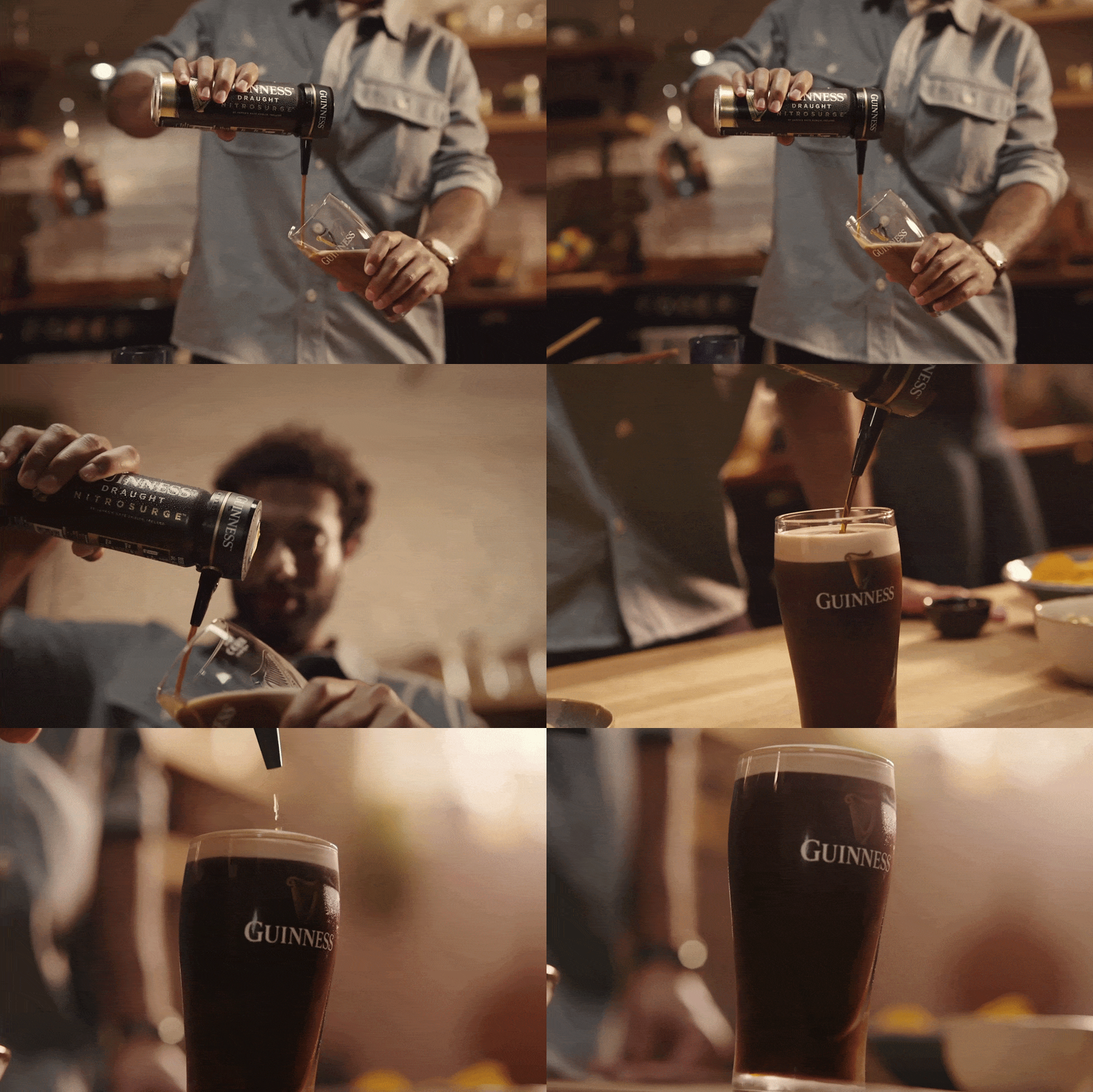
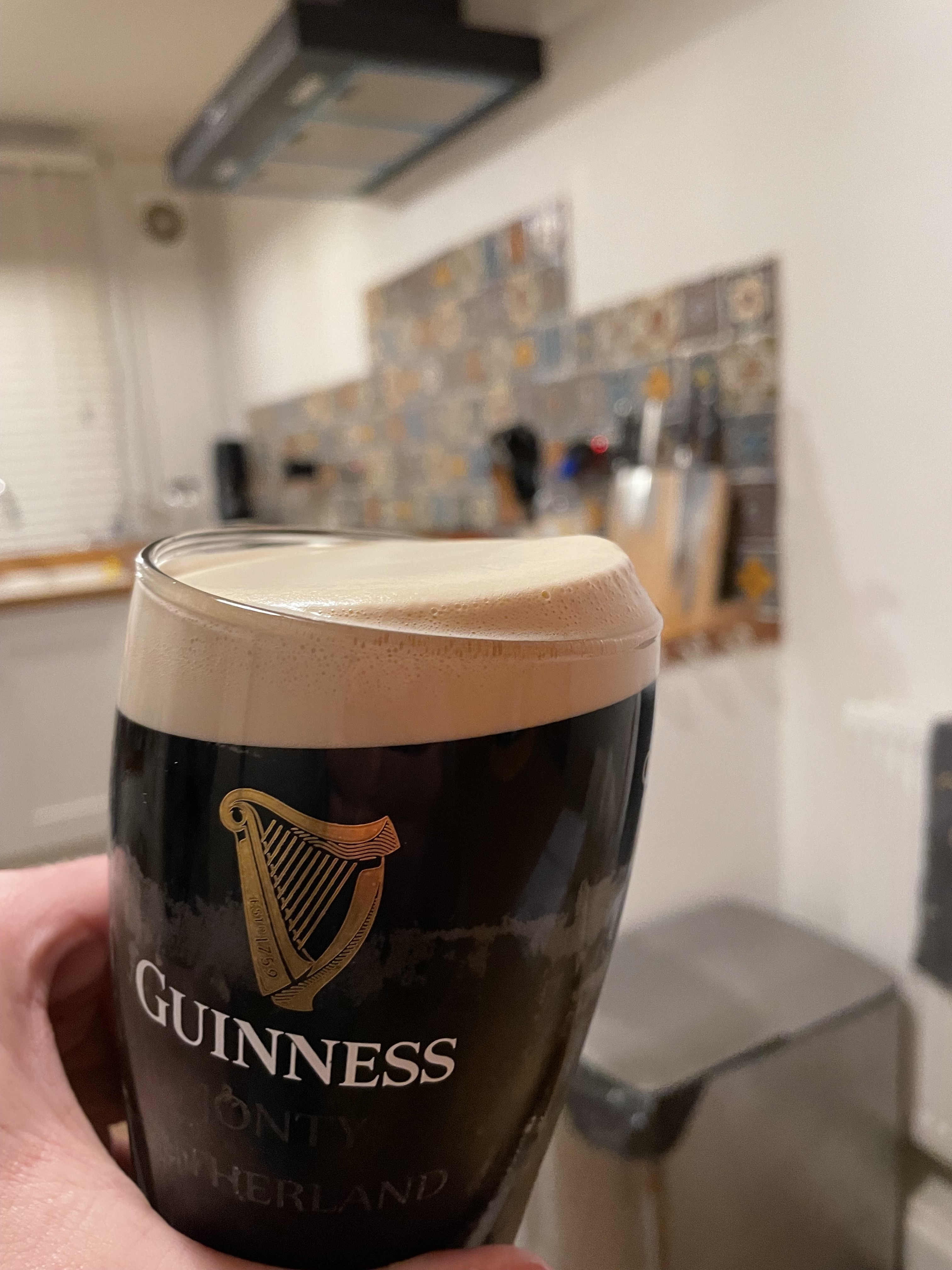
… makes for a satisfying home pint
JONTY SUTHERLAND/THE SUNDAY TIMES
So is this value and innovation why pint cans are now increasingly being seen in supermarkets as well as convenience stores?
“Partly,” says Haigh. “But cans are growing at the expense of bottles across the board, because of EPR.”
Here’s where the tale becomes really twisty. EPR, or Extended Producer Responsibility, launched in October 2025 with the aim of transferring the costs of recycling packaging from local authorities to the businesses who put that packaging out there. There’s a fee structure, depending on what the packaging is made of, that’s charged on a per-tonne basis. Glass is £192 per tonne, while aluminium is more expensive at £266 per tonne. But hang on — a glass bottle is much heavier than an aluminium can. If you work out the unit cost for an individual beer, it’s an extra 4p per standard 330ml glass bottle, but less than a penny for an aluminium can. If those numbers sound trivial, the tiny margins in supermarket beer mean that, according to the British Beer and Pub Association, the average 2p profit on a 330ml beer becomes a 2p loss.
With this ever-increasing pressure on prices, expect to see the imminent demise of the beer bottle in favour of the can. Currently the pint can feels a little hefty if you’re accustomed to 440ml, somehow bigger than a pub pint. But as it becomes ever more popular, it also potentially creates yet another headache for the poor, beleaguered pub.