
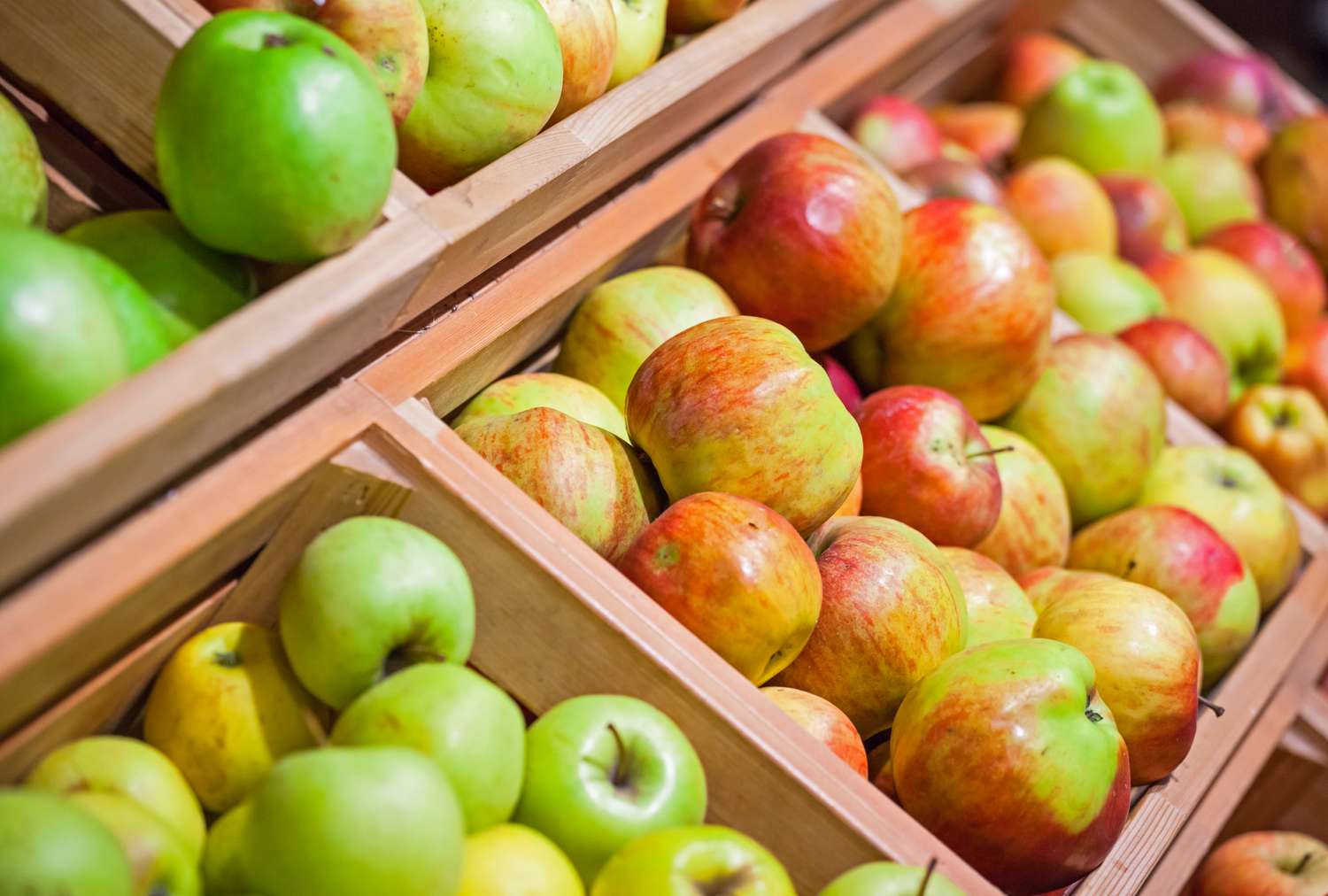
Key Points
Wax coatings on grocery store apples help preserve their freshness, firmness, and moisture during storage and transportation.The wax is safe to eat, made from FDA-approved food-grade materials like carnauba wax, beeswax, and shellac.Rinse apples under running water and gently rub them to remove dirt and microbes before eating.
The saying “an apple a day keeps the doctor away” serves as a helpful reminder while grocery shopping. But have you ever spotted a particularly shiny apple at the supermarket and wondered whether the coating is safe to eat? Many shoppers assume the shine hides spoilage or adds chemicals. In reality, it replaces the apple’s natural protective layer, which is removed during commercial washing.
To learn more about why apples are coated in wax, we spoke to food science experts. Ahead, they explain why the coating is essential for preserving everything we love about this juicy fruit and why they’re still perfectly safe to eat.
Carla L. Schwan, PhD, assistant professor and extension food safety specialist at the University of Georgia
Donald Schaffner, PhD, department chair, distinguished professor, and extension specialist in food science at Rutgers University
Misconceptions About Wax-Coated Apples
One of the most common misconceptions about waxed apples is that producers apply wax to hide spoiled fruit. That is not true, says Carla Schwan, assistant professor and extension food safety specialist at the University of Georgia. “Waxing is a quality-preservation step, not a food safety hazard, and it does not prevent consumers from detecting spoilage through normal signs such as off-odors, mold, or soft spots,” she says.
Another misconception is that wax-coated apples are unsafe to eat. But food science specialists say the coatings are safe to consume and are applied in very small amounts, according to Donald Schwan, department chair, distinguished professor, and extension specialist in food science at Rutgers University.
Why Apples Have a Wax Coating
Beyond adding shine, wax replaces the apple’s natural protective cuticle, which is removed during commercial washing. Applying a thin wax coating helps preserve the fruit’s quality throughout long storage and transportation, Schaffner says.
After harvest, producers wash apples to remove dirt and debris, which also strips away the natural waxy layer that protects the fruit. The replacement coating reduces moisture loss during storage and shipping, helping prevent shriveling, loss of firmness, and cosmetic damage, he says.
The wax also creates a barrier that slows oxygen exposure and respiration, allowing apples to stay firm and crisp longer.
Is the Wax Safe to Eat?
The wax coating is very thin and doesn’t change the apple’s nutritional value. “Commercial wax coatings include food-grade substances such as carnauba wax, rice bran wax, beeswax, shellac, and highly refined petroleum-based wax,” Schaffner says. These ingredients act as a protective barrier for the fruit.
The U.S. Food and Drug Administration regulates these coating materials, and they’re safe to consume.
How to Properly Wash Wax-Coated Apples
Rinsing fresh produce before eating it is always recommended to remove dirt and microbes, even if it’s wax-coated. The FDA advises rinsing apples under clean, running water while gently rubbing the surface to remove dirt, microbes, and surface residue. Then dry the apple with a clean cloth or paper towel to remove any remaining bacteria.
Do not use soap, detergents, bleach, or commercial produce washes on waxed apples, Schwan says. “They are not approved for food use and do not improve safety—they could become a chemical hazard,” she adds.
You also don’t need to peel wax-coated apples before eating them. Some people prefer to remove the skin, but doing so also removes fiber and beneficial phytochemicals found in the peel.