
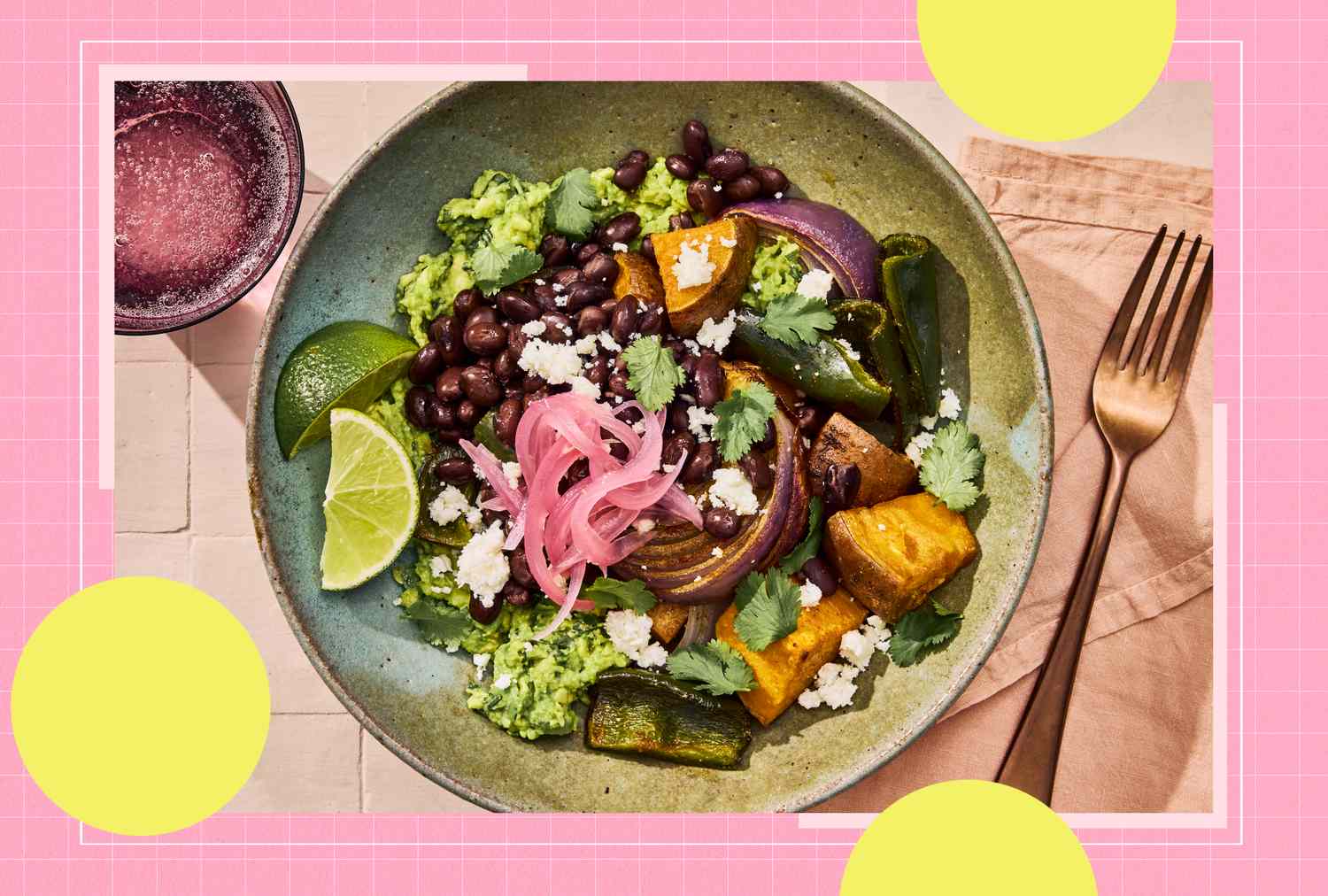
The portfolio diet emphasizes adding plant-based foods like nuts, soluble fiber, and healthy fats. Research shows this diet lowers LDL cholesterol, reduces inflammation and supports heart health. Small changes, like swapping red meat for legumes, can lead to lasting improvements in diet quality.
The portfolio diet is a plant-based eating pattern developed by David Jenkins, M.D., Ph.D., D.Sc., a nutritional sciences professor at the University of Toronto. Instead of eliminating foods, this approach emphasizes adding specific groups, or “portfolios,” of cholesterol-lowering foods to your diet: nuts, soluble fiber, plant proteins, plant sterols and monounsaturated fats. The diet encourages people to mix and match foods from these portfolios in their meals and snacks throughout the day. Rather than being a strict meal plan, the portfolio diet functions as a flexible framework to help you build meals that naturally support heart health.
We asked registered dietitians just how the diet works to lower cholesterol, along with ideas for incorporating it into your everyday routine.
Benefits of the Portfolio Diet for Cholesterol
Reduces LDL Cholesterol
High LDL cholesterol is strongly linked to heart disease, stroke and peripheral artery disease. One of the most effective ways to lower LDL cholesterol is by increasing soluble fiber from plant foods.
“Soluble fiber, found in foods like oats, barley, legumes and fruits, forms a gel-like substance in the digestive tract,” explains Avery Zenker, RD. “This gel traps cholesterol and prevents its absorption, promoting its removal from the body.”
Supports Heart Health and Longevity
Studies completed by Jenkins and others have repeatedly found that following the portfolio diet results in reduced cholesterol production in the liver, reduced cholesterol absorption in the body and increased cholesterol removal via excretion, all of which contribute to better heart health.
One of the most compelling studies on the portfolio diet followed more than 40,000 racially diverse participants for over 20 years. It found that those who followed the portfolio diet more closely had fewer cases of heart disease and early death.
Contributes to Lower Inflammation
Chronic inflammation can play a major role in heart disease. The portfolio diet encourages intake of fruits, vegetables and whole grains. These naturally contain anti-inflammatory compounds such as plant sterols, plant stanols and antioxidants.
“Research has also shown that the portfolio diet can improve clinical markers used to assess cardiovascular disease risk,” says Talia Follador, RDN, LDN. “These markers are also closely tied to inflammation, which is important because inflammation and cholesterol often go hand in hand.”
Promotes Variety in the Diet
Many people fall into repetitive eating patterns built around the same convenient, low nutrient-density foods. While this can feel easier in the short term, relying too heavily on these foods over time can lead to a greater risk of chronic conditions like heart disease and metabolic dysfunction.
The portfolio diet helps break that cycle by encouraging a wider rotation of plant proteins, nuts, seeds, whole grains and fiber-rich foods. Expanding the variety of nutrient-dense foods on your plate naturally boosts overall diet quality, which may increase both lifespan and healthspan.
How to Enjoy the Portfolio Diet
Start with What You Can Add
Instead of focusing on restriction, begin by adding one food from each portfolio to your usual meals. That might look like oatmeal at breakfast, lentils in a salad at lunch or almonds as an afternoon snack.
“Add oats, beans, nuts or soy foods to meals you already like, and swap saturated fats for unsaturated fats when it makes sense,” says Follador. “You don’t have to do this perfectly to see benefits. Consistency matters far more than doing it perfectly.”
This add-first mindset makes the portfolio diet feel practical instead of overwhelming, which helps turn small changes into long-term habits.
Make Simple Swaps
Small, consistent substitutions can add up to big changes in cholesterol:
Replace red meat with beans or tofu a few times per week.Use avocado or olive oil instead of butter when cooking.Add chia seeds or ground flaxseed to yogurt and smoothies.Choose whole-grain bread or barley instead of refined grains.
Know Your Why and Get Support
Last but certainly not least, assess your motives and ask for help. Zenker believes this may be the most important aspect: “If you’re just trying to change your diet because you think you ‘should,’ you’ll probably be less motivated to do so. Understand why the change is important to you, and remind yourself often.” To create changes that last, some self-reflection will go a long way in your journey.
Working with a registered dietitian is a great way to receive accountability, support and personalized strategies to help you build sustainable habits.
Our Expert Take
The portfolio diet is a flexible, research-backed way to lower cholesterol by emphasizing specific plant foods known to reduce LDL levels. By combining soluble fiber, plant proteins, nuts, healthy fats and plant sterols, this eating pattern targets cholesterol from multiple angles. Studies support its effectiveness and demonstrate its ability to help improve diet quality, lower mortality risk and support heart health.
Small, consistent changes can lead to big, long-term impacts. Adding oats at breakfast or substituting legumes for meat can lead to meaningful improvements in heart health over time. For personalized guidance, a registered dietitian can help provide support and accountability to make lasting changes.