
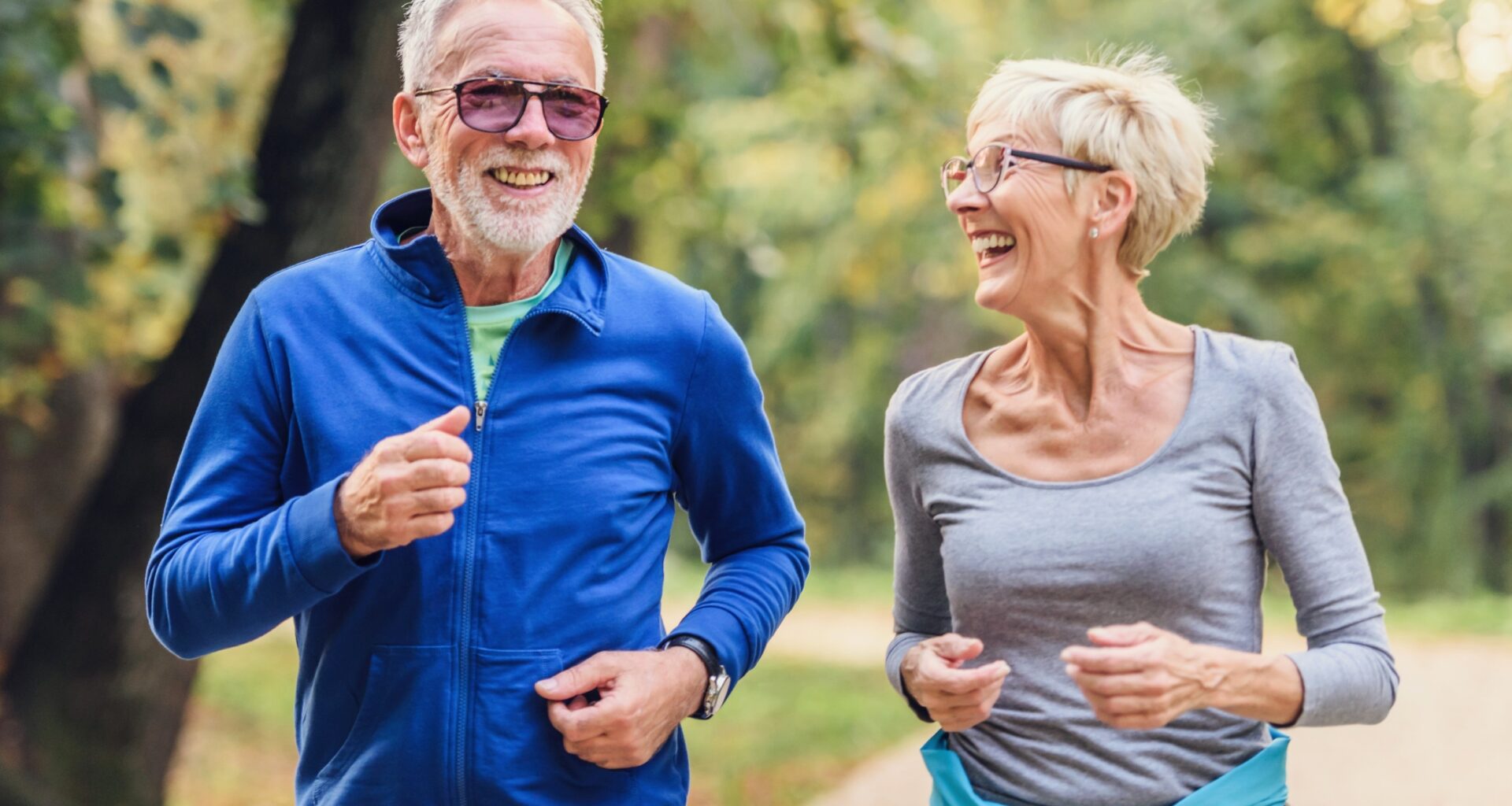
A liver enzyme released during exercise has recently been shown to repair aging brain blood vessels and restore memory in mice.
The new finding reframes how physical activity protects cognition by tracing its benefits to a repair process at the brain’s outer boundary rather than inside neurons themselves.
Leaky vessels linked to aging

In older mice, the blood vessels that seal the brain from the bloodstream had become porous, allowing small molecules to escape into surrounding tissue.
By tracking those leaks in aging animals, Dr. Saul Villeda at the University of California, San Francisco (UCSF) demonstrated that a surge of the liver enzyme GPLD1 coincided with tighter vessel walls and stronger memory performance.
Instead of entering brain tissue, the enzyme acted on the vessel surface, trimming away a buildup that had accumulated with age.
Because the protective factor never crossed into the brain itself, the mechanism had to reside at the barrier, setting up a closer look at what was being removed from those aging vessels.
Brain barrier leaks harm thinking
Cells lining brain vessels form the blood-brain barrier (BBB), a vessel wall that blocks many blood molecules.
When BBB seals loosen, unwanted compounds pass through, and nearby brain cells react with stress signals that can hurt memory.
One human study tracked rising barrier leaks in older adults and tied them to worse thinking scores.
Similar leak patterns have been reported early in Alzheimer’s disease, putting BBB health on the short list of targets.
Exercise releases protective enzyme
Six years ago, the UCSF team showed that exercised mice shared cognitive gains through blood plasma, even when recipients stayed still.
That work singled out GPLD1, a liver enzyme that gets released into blood after exercise, and it can cut more than 100 proteins.
Yet GPLD1 could not cross into brain tissue, leaving researchers with a strong signal and no clear delivery route.
“This discovery shows just how relevant the body is for understanding how the brain declines with age,” said Villeda.
Aging damages brain vessels
As mice grew older, a sticky enzyme began piling up on the cells that line the brain’s blood vessels, loosening the tight seal that normally protects delicate tissue.
In lab tests, the exercise-linked enzyme GPLD1 ignored most surface proteins but consistently trimmed away this age-related buildup.
Young mice engineered to carry extra amounts of that buildup in their brain vessels began to struggle on memory tasks, acting more like much older animals.
Focusing on this single change gave researchers a direct way to test whether clearing the buildup could restore the brain’s protective border later in life.
Liver enzyme repairs brain barrier
Released from the liver during exercise, GPLD1 traveled through the bloodstream and reached the vessels that wrap the brain.
At the vessel surface, it cut away the accumulated enzyme, easing the strain on the barrier between blood and brain.
Old mice given extra GPLD1 kept far more dye inside their blood vessels during testing, showing that the barrier had tightened.
Within those same vessel cells, many age-related gene changes shifted back toward a more youthful pattern, signaling broader repair.
Memory and vessel repair
In mice roughly equivalent to 70-year-old humans, reducing the buildup on vessel cells made the barrier less leaky.
After that reduction, brain inflammation dropped and the animals regained strength on memory tasks that had previously declined.
Adding the buildup back into aging vessels erased much of the benefit from GPLD1, underscoring how central this target had become.
Even so, the experiments showed that vessel repair explained much, but not all, of exercise’s effects on memory.
A new target for therapy
The researchers also tested a compound mixed into food that lowered the buildup on vessel surfaces without entering the brain.
Treated older mice showed tighter vessel walls and better performance on object and spatial memory tests, matching the gains seen with extra GPLD1.
Because the compound acted outside the brain itself, it highlighted blood vessel surfaces as a realistic therapeutic target.
Any future treatment would need caution, since the same enzyme plays roles in other tissues and long-term blocking could carry risks.
Enzyme reduces Alzheimer’s plaques
In mice bred to develop Alzheimer’s-like plaques, boosting GPLD1 reduced those deposits in the hippocampus, a region essential for memory.
Blocking the vessel buildup produced similar reductions, lowering the overall plaque load in the brain.
Human brain samples from older adults with Alzheimer’s disease also showed higher levels of the same buildup on vessels.
These findings point toward healthier blood vessels as one way to ease stress on neurons, though only clinical trials can show whether the strategy works in people.
Possible treatment beyond exercise
For people who cannot exercise much, a therapy aimed at vessel surfaces could one day mimic part of workout biology.
Large cohorts have tied higher activity to lower dementia risk, but they cannot prove cause by themselves.
“It may open new therapeutic possibilities beyond the traditional strategies that focus almost exclusively on the brain,” said Villeda.
Before any drug reaches clinics, UCSF scientists must test safety, timing, and whether other GPLD1 targets also matter in humans.
The work connects exercise, liver chemistry, and brain blood vessels into one chain of cause and effect that changes memory.
That chain now directs researchers toward protecting the blood-brain barrier later in life, while still recognizing regular exercise as the safest and most proven strategy today.
The study is published in the journal Cell.
—–
Like what you read? Subscribe to our newsletter for engaging articles, exclusive content, and the latest updates.
Check us out on EarthSnap, a free app brought to you by Eric Ralls and Earth.com.
—–