
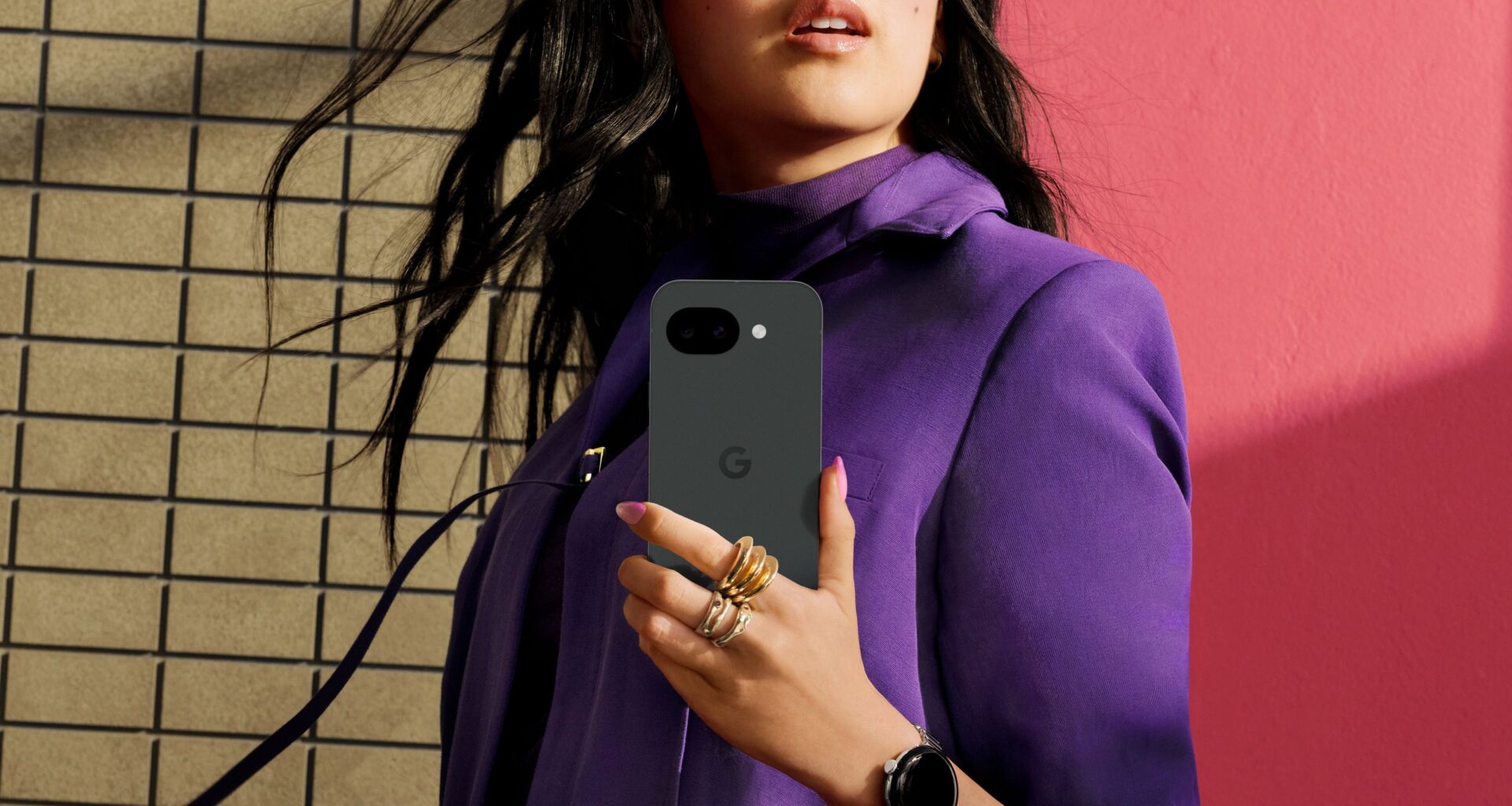
The Pixel 10a is finally here, and it’s… familiar. Google’s newly unveiled mid-range Pixel is up for preorder now and will hit stores on March 5, giving you a couple of weeks to decide if it’s for you. However, if you’re familiar with Google’s recent Pixel launches, including last year’s Pixel 9a, the decision might not be easy.
At first glance, there’s a lot to like about the Pixel 10a, but there’s a lot that may make you hesitate to purchase one over another Pixel device. So let’s break down what we know about the Pixel 10a to help you decide if it’s worth buying and to highlight who the 10a is really for.
Today’s best Google Pixel 10a deals
Why you should buy the Pixel 10a
(Image credit: Google)
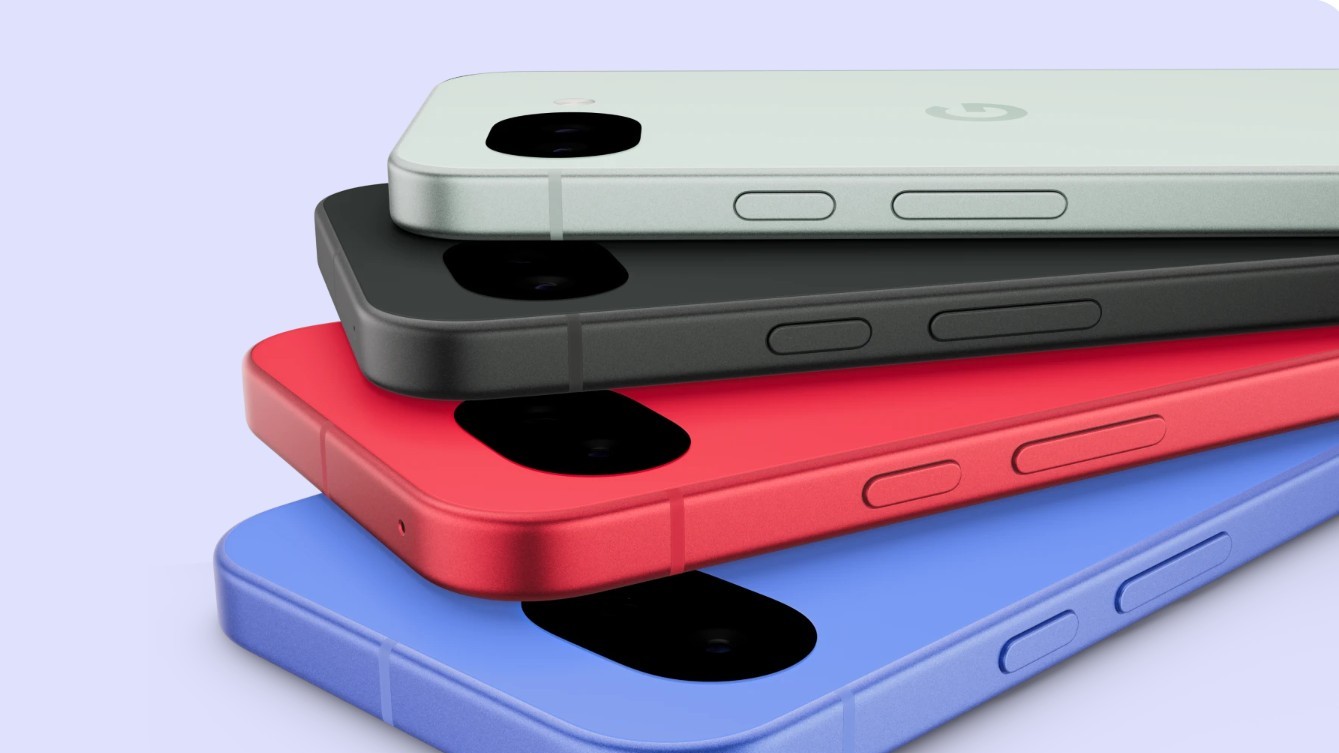
Out of the gate, one of the most obvious reasons you should buy the Pixel 10a is the price. At $499, the Pixel 10a is squarely in the mid-range and almost half the price of the base Pixel 10. This is the same price the Pixel 9a launched at, and it’s nice to see that Google didn’t raise it despite the memory shortage ravaging the tech industry.
You may like
The Pixel 10a is probably one of the better options at this price point. Not only does it come with a (technically) flagship chipset, but you get all the benefits of other Pixel smartphones, including Google’s Gemini AI features and long software update promise (seven years of OS upgrades, security patches, and Pixel Drops).
(Image credit: Google)
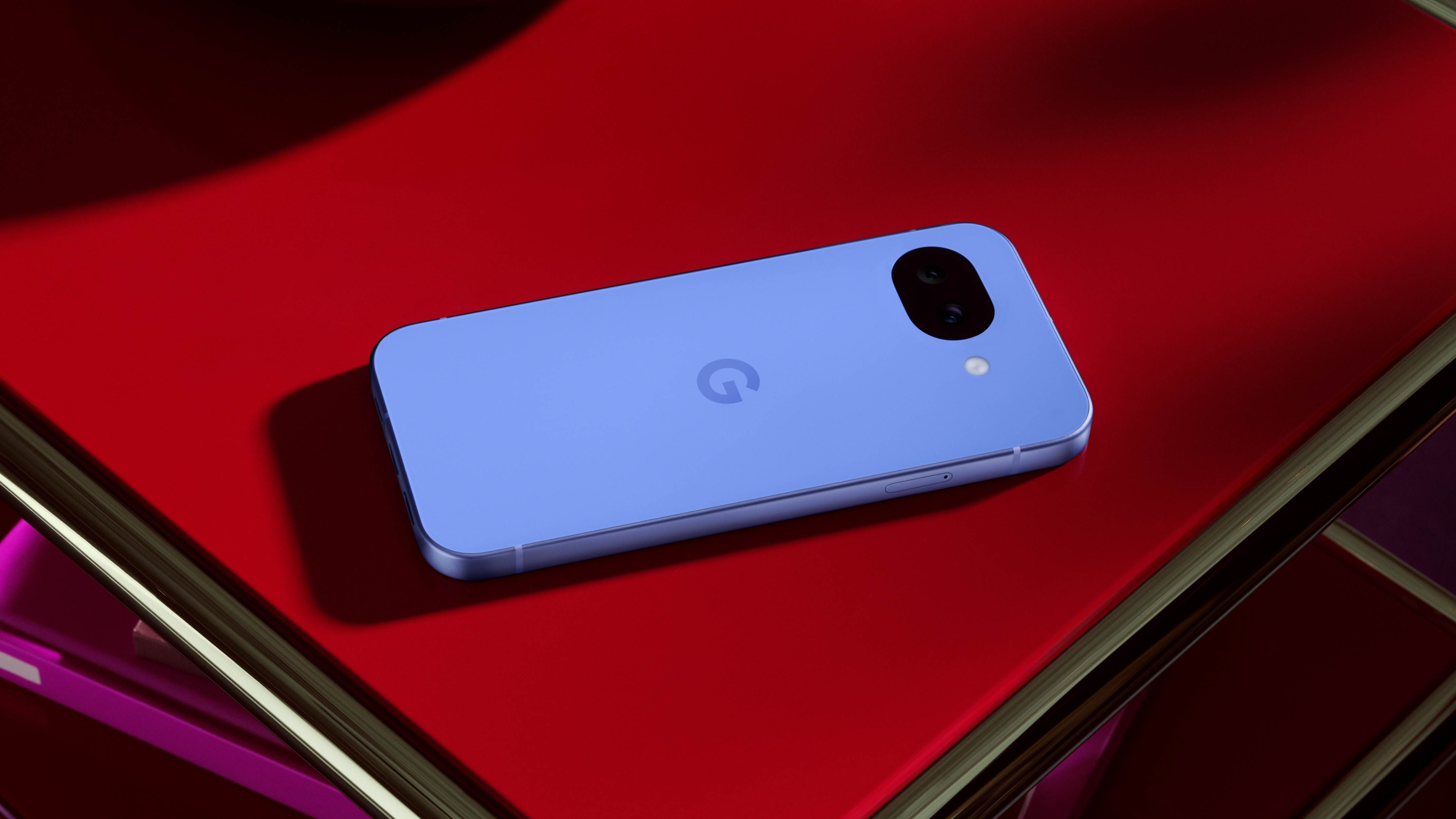
In addition to the camera quality and features we’ve come to expect from most Pixel smartphones, the Pixel 10a offers some you won’t find on the Pixel 9a, such as Macro Focus. Auto Best Take is one of our favorite features that helps you capture better group shots, allowing you to select the perfect expressions for each person. Camera Coach is another feature introduced with the Pixel 10 series, which uses AI to help you compose better photos based on the image subject.
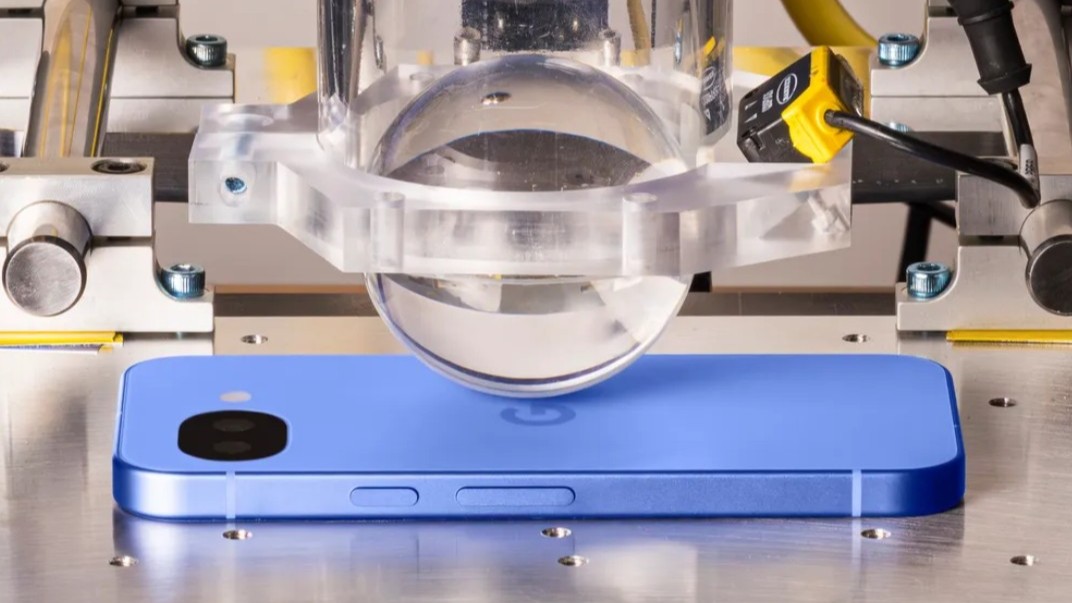
The Pixel 10a also brings some other notable upgrades that we love to see on a $500 phone. The upgraded Gorilla Glass 7i should provide more protection than the Pixel 9a, and the screen is also brighter at 3,000 nits, making it plenty usable outdoors. Satellite SOS also isn’t a common feature on Android phones, and it can be handy if you find yourself in an emergency with no network reception.
(Image credit: Google)
Finally, the improved battery and charging specs should appeal to anyone who prefers to have their phone last all day. Despite having the same-sized battery as its predecessor, the 10a is rated to last longer on a single charge: 30+ hours or up to 120 hours with Battery Saver. We called the Pixel 9a the “Energizer phone” when we reviewed it last year, and we expect the Pixel 10a to live up to the name.
The faster 30W charging is a nice upgrade, especially since it’s technically faster than the $800 Galaxy 25, and if you like wireless charging, Google has upped the speed from 7.5W on the Pixel 9a to 10W on the Pixel 10a. It’s not a speed demon, but it’s still a nice upgrade nonetheless.
Why you shouldn’t buy the Pixel 10a
(Image credit: Google)
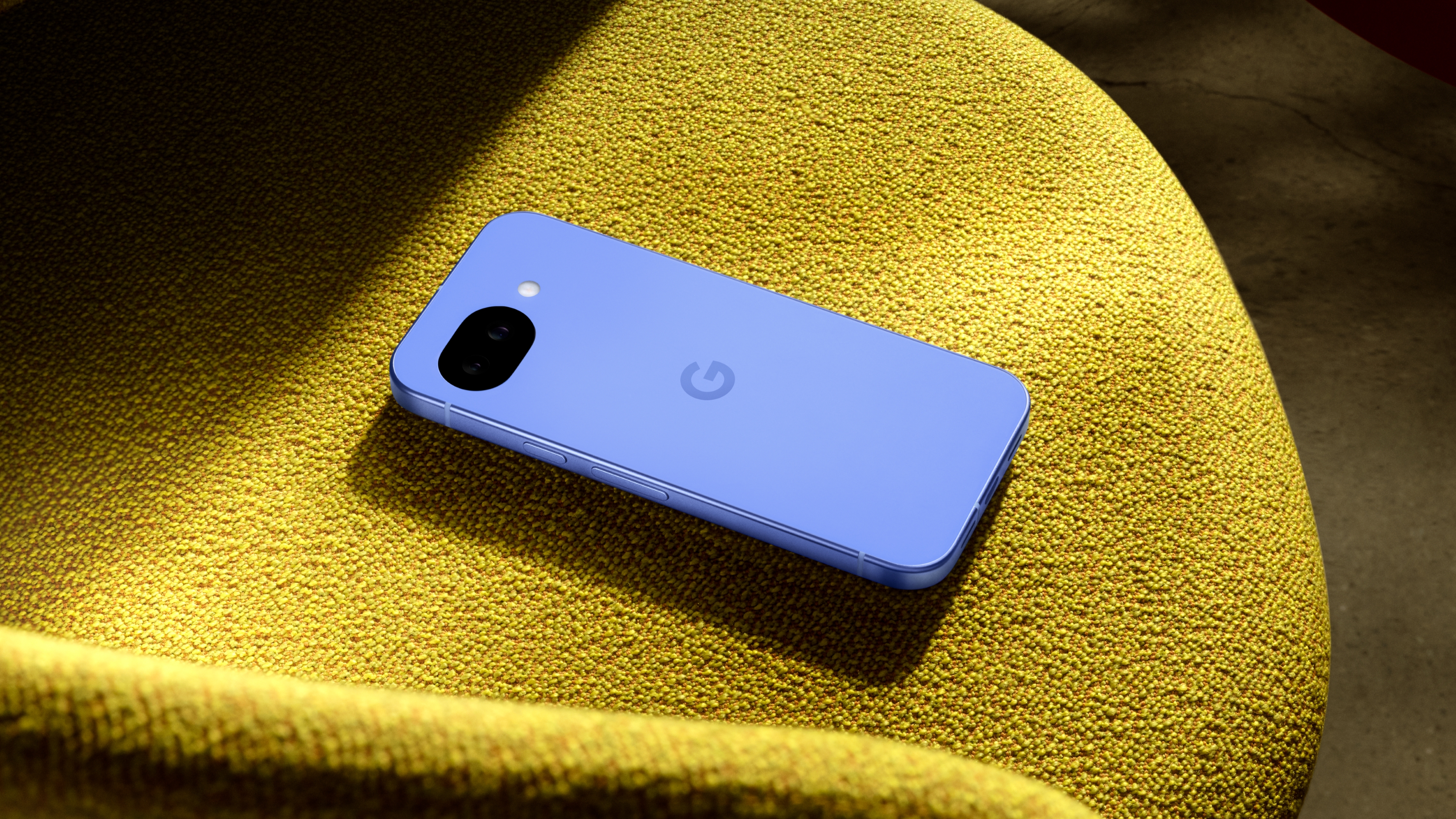
The Pixel 10a isn’t a bad phone for the price, but when compared to its predecessor and other phones in its price range, some may find it hard to justify buying this over something else. In fact, it’s probably one of the smallest generational upgrades we’ve seen on Pixel phones.
You’d have to squint to see the differences between the Pixel 9a and Pixel 10a. The latter has a more flush back, which should make the overall design a tad nicer, but ultimately, if you weren’t a fan of the Pixel 9a’s design, you won’t like this one either. At 9mm, it’s a thick phone, thicker than the Galaxy S25 Ultra and even the Galaxy Z Fold 7 (not counting the cameras). And you’ll likely want to throw on a case, which will make the phone even thicker.
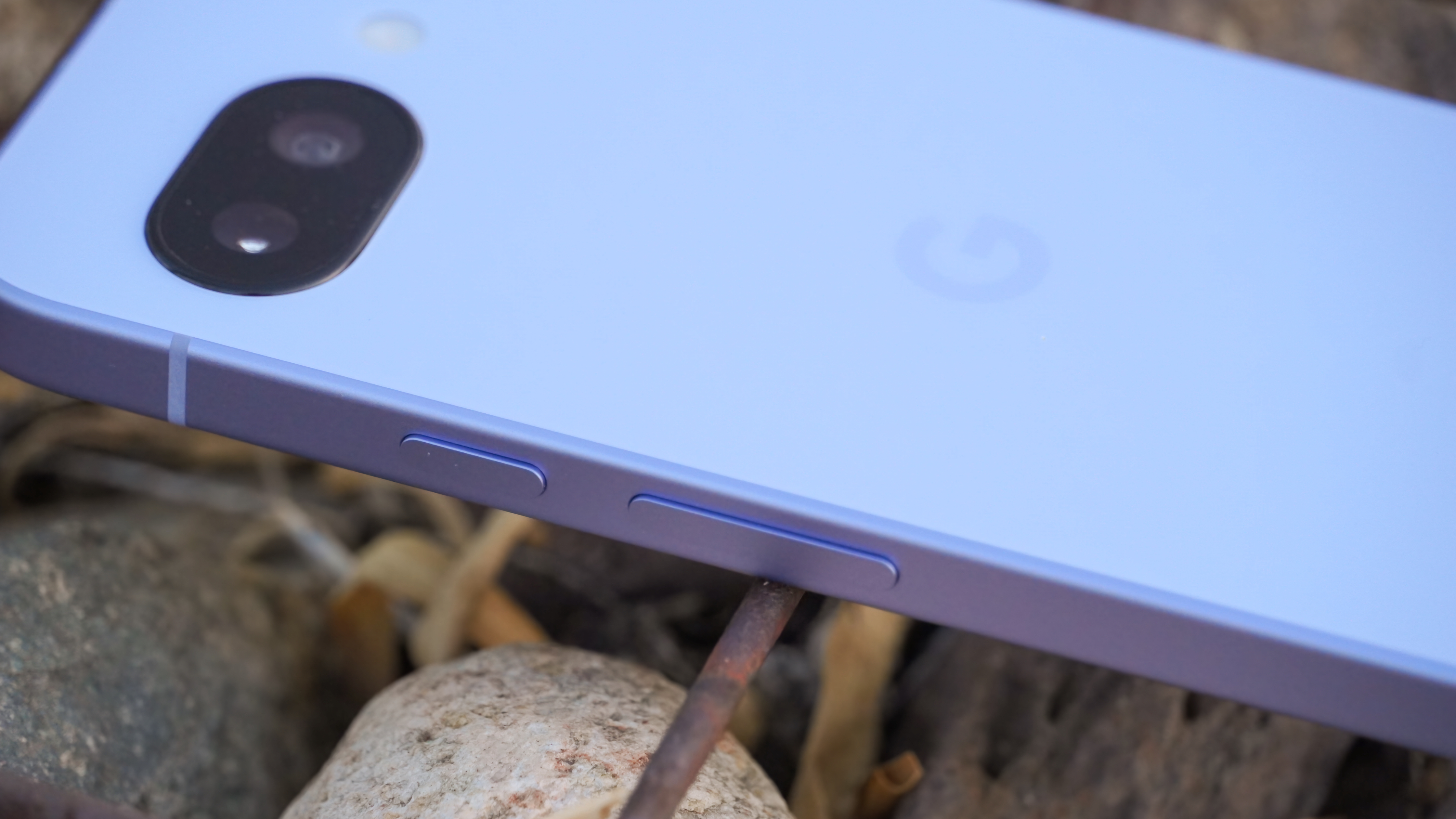
The Google Pixel 9a in Iris. (Image credit: Brady Snyder / Android Central)
Speaking of cameras, if you need a telephoto lens, the Pixel 10a might not be for you. True, Google’s Super Res Zoom can deliver impressive results, but it’s just not the same as a dedicated telephoto sensor. A phone like the Galaxy S25 FE would be a better option if you don’t mind spending a little more for a telephoto lens and faster 45W charging.
The Pixel 10a also lacks Qi2 support, which was introduced on the Pixel 10 series. This likely would have made the phone thicker and more expensive, but it’s unfortunate that Google didn’t even include the spec sans the built-in magnets, similar to the Galaxy S25 series. Google already has Pixelsnap cases, which include built-in magnets themselves, so it could have just leaned on this while giving us faster wireless charging speeds.
(Image credit: Google)
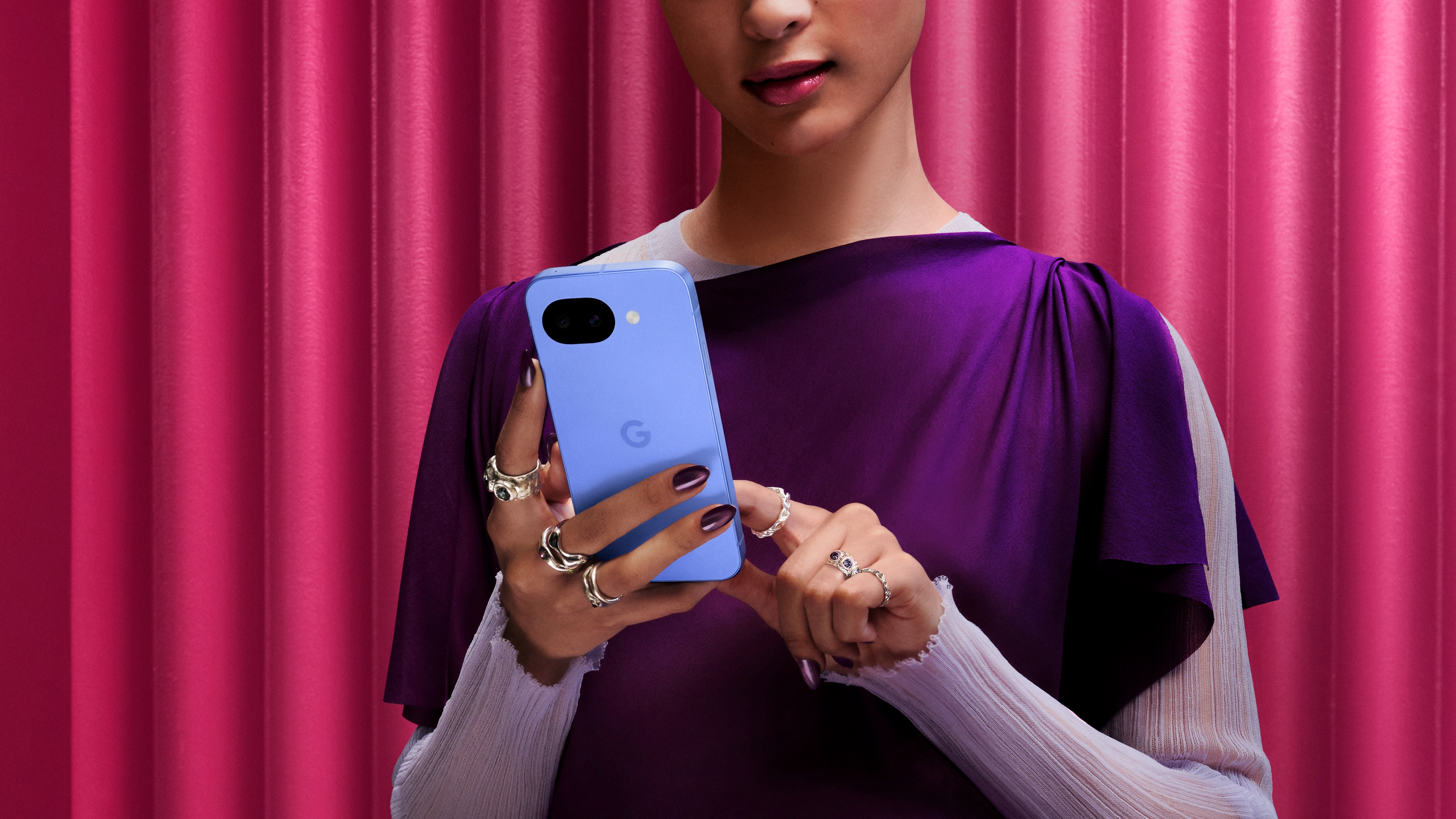
But of course, I have to address the elephant in the room: the chipset. The Pixel 10a is powered by the same Tensor G4 chip and 8GB of RAM found in the Pixel 9a. It’s a curious move not to use the Tensor G5, one likely made to keep the 10a affordable amid the memory shortage. Still, it seems to limit the 10a’s performance and capabilities, as the phone does not support certain AI features found on the Pixel 10 series, such as Magic Cue and Pixel Screenshots.
That’s not to say the Tensor G4 isn’t still a fine chip, but Tensor already tends to fall short next to comparable Snapdragon chips, so we would have liked to see some improvements on the chipset front, at least to the latest version. I already hate seeing companies like Motorola pull the same move with their midrange smartphones, which sometimes sport the same chips as their predecessors.
Google Pixel 9a part 2
(Image credit: Google)
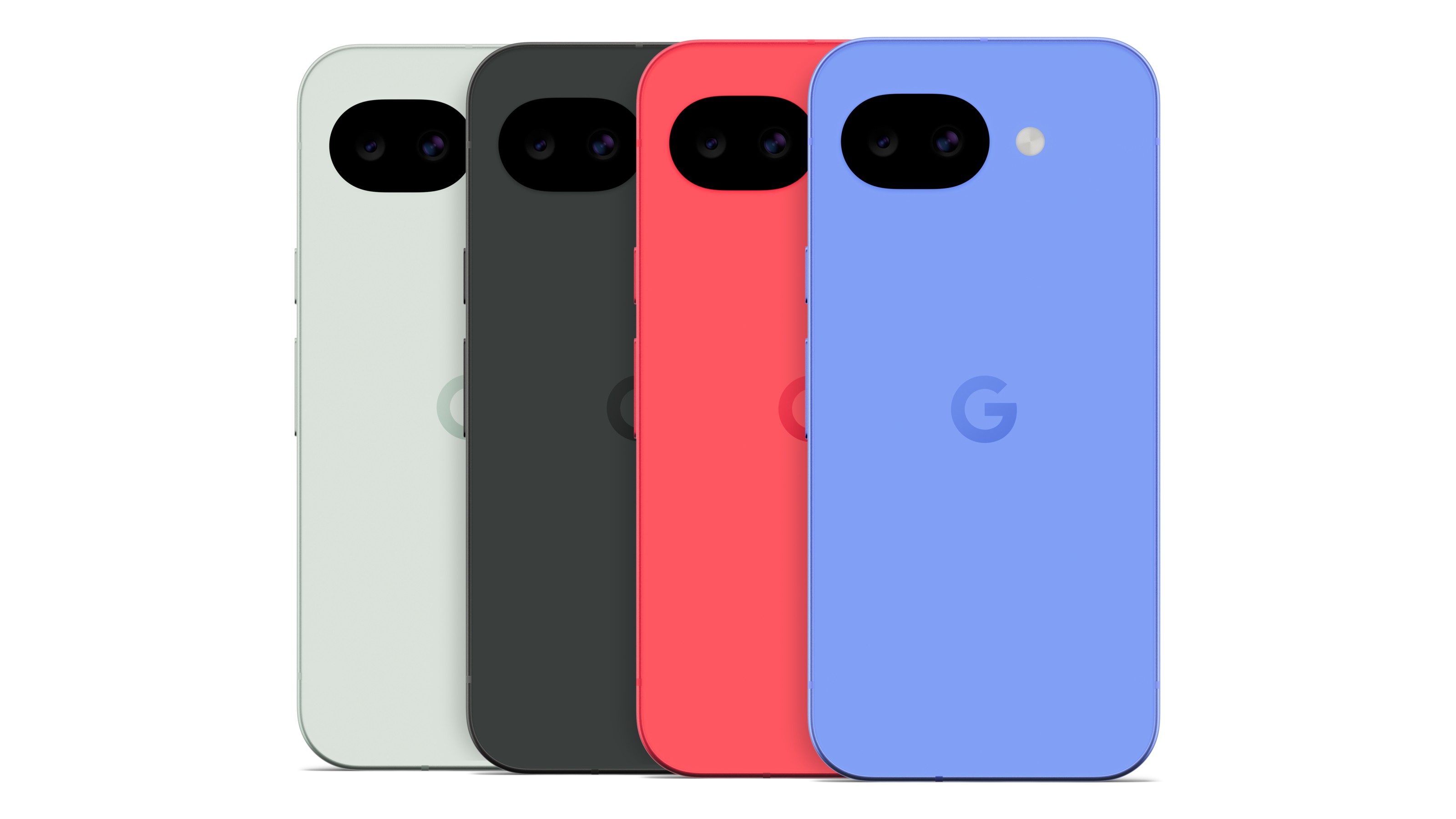
Ultimately, the Google Pixel 10a is a mixed bag as far as upgrades go. There are some noteworthy changes and spec bumps, but the phone is nearly identical to its predecessor, inside and out. It feels less like a cheaper Pixel 10 and more like a redo of the Pixel 9a.
Google no doubt had to make some tough choices to keep the 10a affordable. On paper, it’s not a bad phone, but as a consumer, why get the new thing when the old thing is pretty much the same and likely going to be cheaper? Especially when the old thing will most likely receive many of the same “new” features. That said, if you can find some good Pixel 10a preorder deals, then it might very well be worth grabbing.
Let us know what you think: Are you interested in buying the Pixel 10a? Also, check out this exclusive article from IDC, which highlights why the Pixel 10a is actually a smart move from Google.