
Amazon’s e-reader fans are making one request louder than ever: bring back a premium Kindle with physical page-turn buttons. The Kindle Oasis may be gone from the lineup, but its asymmetric grip, metal build, and tactile controls still define the gold standard for long-form reading. Recent sellouts of remaining Oasis units, including refurbished stock that vanished within hours, suggest demand for a refreshed model isn’t just nostalgia—it’s a market signal.
Why the Kindle Oasis Still Matters to Avid Readers
The Oasis stood apart because it was designed around the human hand. Its offset spine concentrated weight into the grip, its aluminum frame felt stable without heft, and its buttons let readers turn pages without shifting their hold or smudging a touchscreen. For anyone reading on the beach, during a commute, or deep into the night, that tactile cadence reduced friction and fatigue in a way taps and swipes don’t.
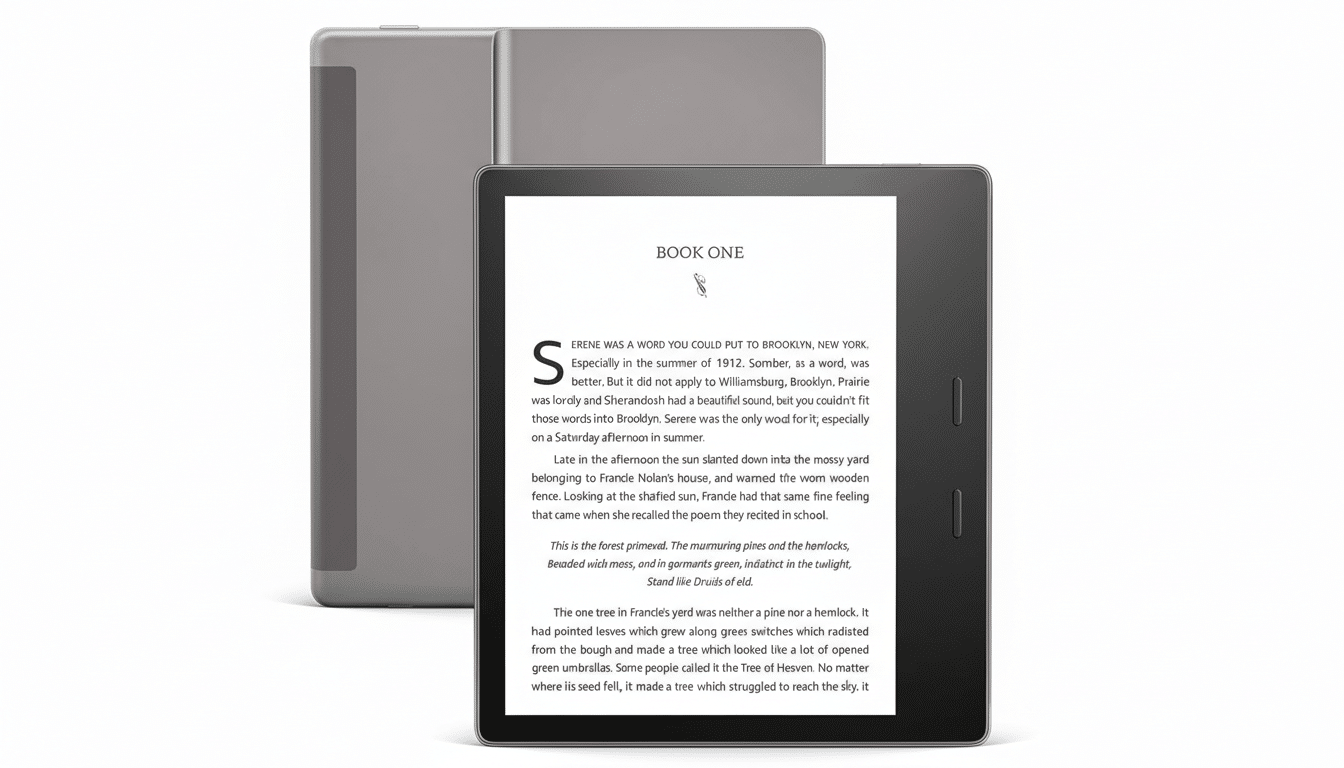
It was also a technology leader. Adjustable warm lighting arrived there first before trickling down to other models. A crisp 300ppi panel and IPX8 waterproofing made the device resilient and premium. Put simply, Oasis was the Kindle you chose when you wanted the best reading experience Amazon offered, not just the most affordable.
Physical Page-Turn Buttons Are Not a Reader Niche
Buttons remain a selling point across the wider e-reader market. Kobo’s Libra Colour and Sage, Barnes & Noble’s Nook GlowLight 4 line, and Onyx Boox’s Page all ship with dedicated page-turn controls. Kobo even sells a first-party remote for hands-off page turns—an accessory Amazon has never matched. The existence and success of these products challenge the notion that readers are universally “touch-first.”
Community behavior backs this up. Enthusiast forums and marketplaces light up when rare Oasis units appear, with buyers announcing finds and asking repair tips to keep older models alive. That’s not the pattern of a dead segment; it’s evidence of unmet demand inside a thriving ecosystem.
Amazon has said its current e-readers are “touch-forward,” reflecting what it believes customers prefer. Yet the rapid sell-through of lingering Oasis inventory and the popularity of competitors with buttons suggest a two-lane strategy could serve readers better: touch-centric Kindles for most, and one meticulously engineered model for those who prize tactile control.
What a Modern Kindle Oasis Should Deliver Today
No reinvention is required—just a respectful update. Keep the one-handed, asymmetrical design and physical page-turn buttons. Add USB-C, faster page refresh, and wireless charging for convenience. Maintain IPX8 durability and 300ppi text clarity, with a refined front light that more smoothly adjusts warmth and brightness.
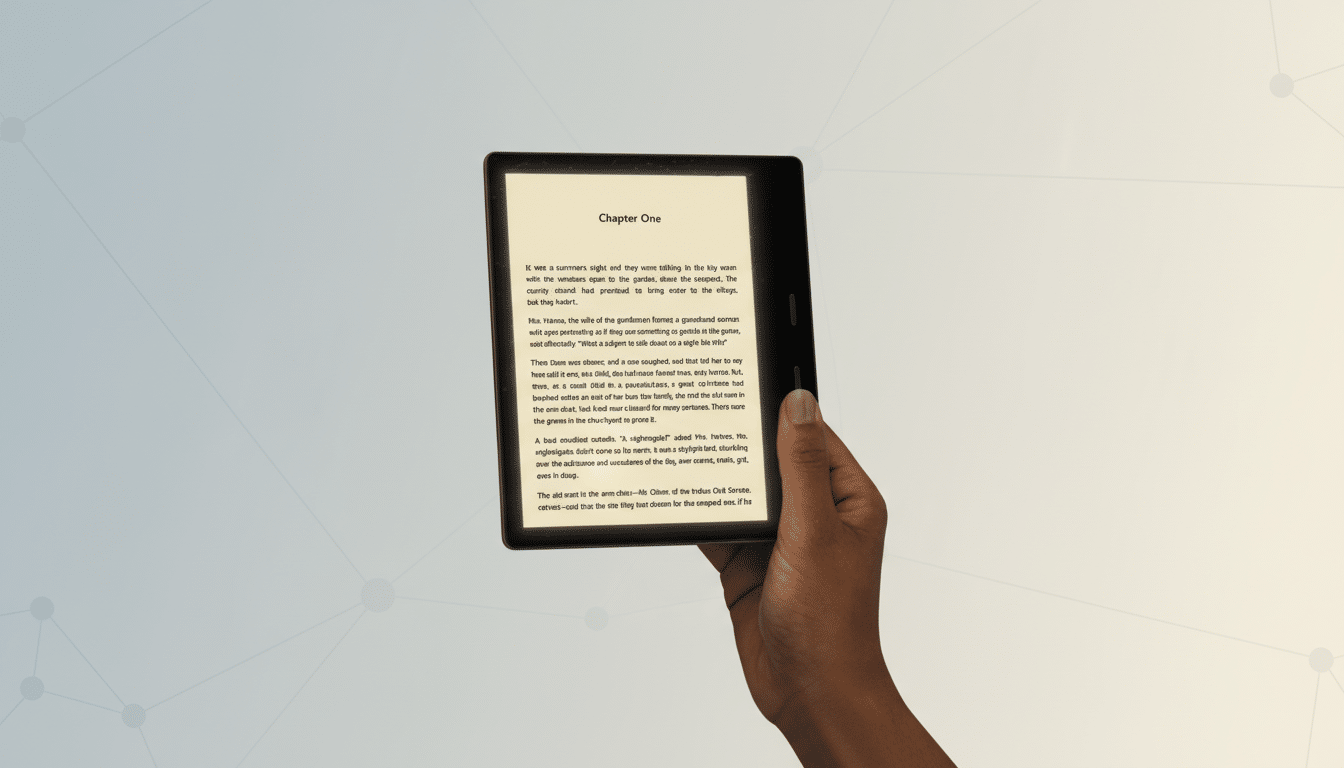
There’s room to go further without compromising focus. A brighter, higher-contrast E Ink panel would aid outdoor reading. Offering two sizes—compact for portability and a slightly larger canvas for generous margins—could widen appeal. Color e-paper, now maturing under E Ink’s Kaleido technology, could be optional for those reading comics, textbooks, or magazines, while grayscale remains an ideal default for novels.
Stylus support is a swing worth considering if it does not add bulk or distract from reading. Amazon’s note-taking model already serves heavy annotators; a lighter-touch approach on an Oasis—think clean margin scribbles and quick highlights—would give serious readers more utility without turning the device into a tablet substitute.
The Business Case for a Premium Kindle e-reader
A revived Oasis would not replace the Paperwhite or base Kindle; it would crown the lineup. Competitors already price their button-equipped flagships at premium levels, and customers pay for thoughtful ergonomics, premium materials, and fewer annoyances over marathon sessions. The gap between a mainstream reader and a notebook-class device leaves a clear landing zone for a top-tier, reading-first Kindle.
The e-reader category is mature, but it’s sticky. Households with deep content libraries tend to upgrade within the same ecosystem, and gifting cycles repeatedly lift sales. A distinctive halo product helps retain loyalists and convert holdouts who are drifting to rivals for a single missing feature—physical buttons—Amazon once executed better than anyone.
Readers Have Spoken: They Want a Buttoned Kindle
When refurbished units sell out in hours, when forum threads swell with page-button loyalists, and when competitors keep launching buttoned models, the signal is plain. There’s appetite for a refined, premium Kindle built for immersion, not just interaction. A modern Oasis would be less a step back from “touch-forward” than a step forward for reader choice.
Amazon doesn’t need to redefine the e-reader to win back this crowd. It simply needs to build the best version of a product readers already miss—and make it available again.