
Samsung’s first Unpacked of the year rarely sticks to just one marquee phone line. While the Galaxy S26 family will likely headline, evidence from patents, regulatory databases, firmware code, and industry partners suggests five unexpected debuts could steal the show. Here’s what looks most credible — and why each would matter.
Smart Glasses Join the XR Race with Subtle Features
Samsung’s first smart glasses are the sleeper pick to watch. Korean outlet Yonhap News previously reported development work, and Samsung has since named eyewear partners Warby Parker and Gentle Monster, with the device expected to live within Google’s XR ecosystem. Early chatter points to an audio-first, assistant-forward approach — think discreet mics, beamforming speakers, and hands-free controls — rather than a full AR visor.
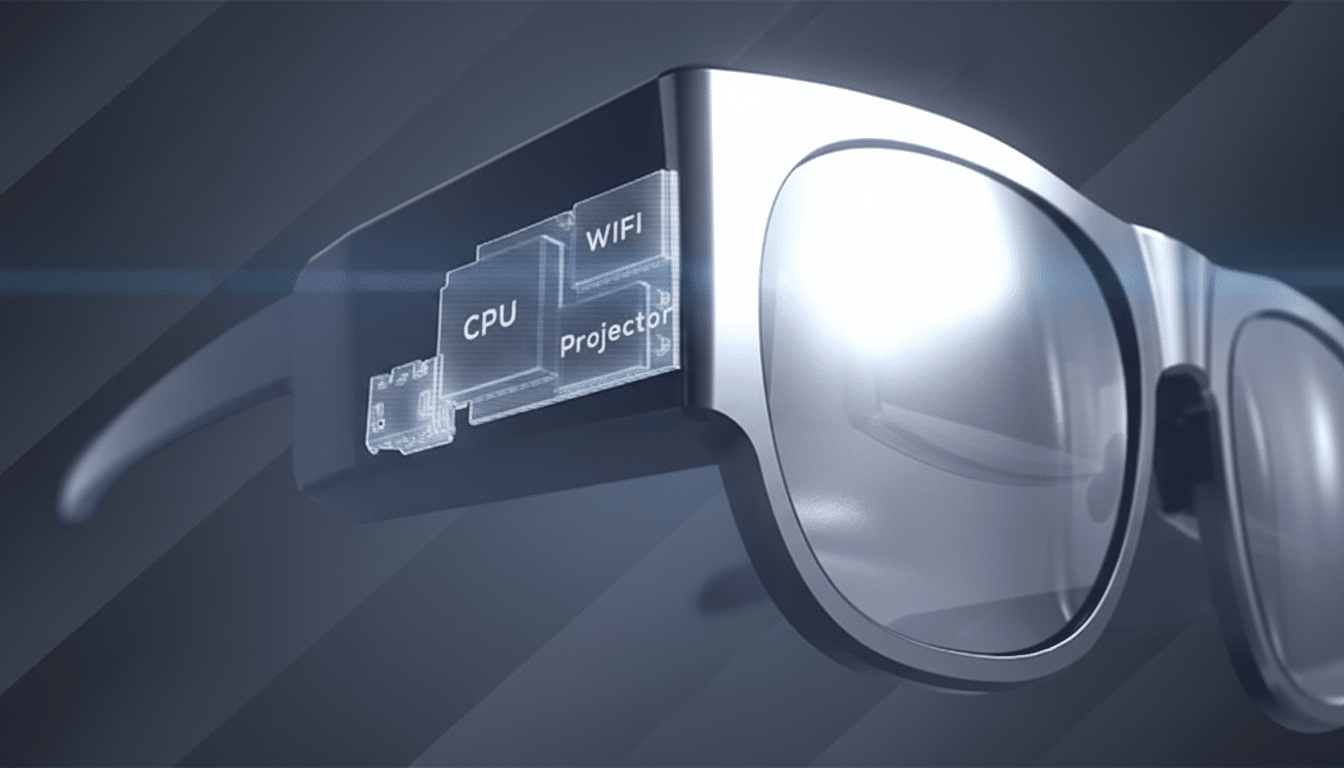
If Samsung leans into Galaxy AI features like real-time translation, notification triage, and camera-assisted moments, it could counter the momentum of Meta’s camera glasses with a more phone-centric experience. IDC has noted that lightweight XR form factors are poised for renewed growth as components shrink and power efficiency improves. Style will be make-or-break here, which is why those fashion partnerships matter as much as the chipset.
Galaxy Ring 2 Could Launch If Legal Clouds Clear
Patents filed by Samsung describe a next-gen smart ring with narrow side displays for glanceable icons and a sensor capable of measuring the temperature of external objects, as spotted in World Intellectual Property Organization filings. But there’s a twist: Samsung and Oura are locked in a legal fight that involves the US International Trade Commission, introducing uncertainty around timing.
If it does appear, expect sleep staging, HRV insights, skin temperature trends, and automatic workout detection to anchor the experience, with deep Galaxy Health tie-ins and multi-day battery life. Analysts tracking wearables see rings as one of the fastest-growing subcategories thanks to comfort and 24/7 wearability. A strong showing would signal Samsung’s intent to make finger-worn sensors mainstream, not niche.
Software fireworks are the safe bet. One UI 8.5 has been testing on select Galaxy devices, and Samsung has already teased content creation and cross-device upgrades. Photo Assist reportedly now supports continuous, non-destructive edits, while Storage Share lets you browse files from other Galaxy devices directly inside My Files, cutting down on app-hopping.
Watch for a feature called Now Nudge, flagged by well-known leaker Tarun Vats, which overlays context-aware actions — such as pulling up Calendar when a friend suggests lunch — based on what’s on screen. Expect a blend of on-device and cloud AI, with granular permissions to keep privacy front and center. If history holds, these features will debut on S26 and then roll out more broadly.

A Wider Galaxy Z Fold Could Finally Arrive
References to a “WideFoldModel” have surfaced in leaked One UI 9 code, hinting at a Galaxy Z Fold variant with a wider cover screen and a squarer inner display. Korean outlet ET News has pointed to a 5.4-inch outer panel and a 7.6-inch inner screen with a 4:3 aspect ratio, which would read more like a compact tablet when open and a normal phone when closed.
This layout would address the narrow-keyboard gripe with current tall-and-thin foldables, improve document editing, and make split-screen apps feel natural. Counterpoint Research expects foldable shipments to clear the 20 million-unit mark soon, suggesting the category is maturing beyond early adopters. A wider Fold could be the usability pivot that pushes more buyers over the line, especially if paired with a tougher hinge and S Pen optimizations.
Galaxy A57 Targets the Value Sweet Spot Segment
A new midrange contender is also in play. A device believed to be the Galaxy A57 recently appeared in China’s MIIT certification database, with leaks pointing to an Exynos 1680 chipset, a slimmer 6.9mm frame, and a familiar triple-camera setup led by a 50MP wide and 12MP ultrawide. Expect incremental camera tuning and efficiency gains rather than a radical redesign.
Why it matters: Canalys and IDC routinely rank Galaxy A-series phones among the world’s top sellers, thanks to balanced specs, aggressive promotions, and long software support. If Samsung brings flagships’ AI features downstream — even selectively — the A57 could become the default upgrade in many markets where value dictates volume.
What to Watch During the Keynote for Telltale Clues
Listen for XR language tied to Galaxy AI to sniff out the glasses.
Any mention of “subject to regulatory or legal approvals” could telegraph the ring’s status.
A live demo of Now Nudge and Storage Share would cement One UI 8.5’s role as the quiet star.
A silhouette tease or aspect-ratio callout might confirm the wider Fold.
If a midrange slide touts thinner design and longer support cycles, the A57 is likely real and near.
The headliners will grab the spotlight, but these five wild cards are where Samsung can surprise — and set the agenda for how we wear, fold, and interact with our devices next.